What Drain Cleaner Is Safe for Plastic Pipes? A Homeowner's Guide
Learn which drain cleaners are safe for plastic pipes, how to read labels, and practical, data-driven alternatives to avoid damage. Drain Guide provides actionable steps for homeowners dealing with clogs.


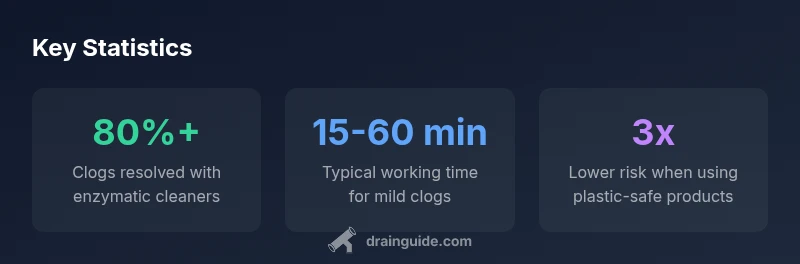
Enzymatic cleaners labeled for plastic pipes are the safest option. Avoid caustic formulas like sulfuric acid or lye-based products, and never mix cleaners. For stubborn clogs, consider mechanical methods (plunger or drain snake) or professional help before resorting to harsher chemicals. Also confirm the product specifically states Plastic Pipe Safe on the label and test in a small area first.
What makes a drain cleaner safe for plastic pipes
Plastic piping, including PVC CPVC and PEX, responds differently to chemical exposure than metal piping. The key to safety is choosing products clearly labeled as safe for plastic pipes and avoiding high concentration acids or strong bases. Drain Guide, in its 2026 analysis, emphasizes starting with mild enzymatic cleaners that degrade organic clogs without attacking plastic joints or adhesives. The goal is to keep the resin intact and prevent softening or cracking of fittings. Remember, even labeled products require careful reading and adherence to directions. Never mix cleaners, and ensure adequate ventilation when using chemical agents in confined spaces. For routine maintenance, smart choices reduce clog risk and extend pipe life.
Reading labels and choosing the right formula
Labels tell you everything you need to know about compatibility with plastic pipes. Look for phrases such as safe for PVC CPVC or recommended for plastic plumbing systems. Avoid products with phrases like concentrated sulfuric acid, lye, or other caustic agents. Enzymatic and bio-based cleaners are usually gentler and more forgiving of plastic connectors. If you see a warning about heat or exposure to seals or gaskets, stop and choose a milder option. Always check the label for the type of clog it is designed to address and the expected time to work. A quick label audit can save you from costly pipe damage.
Enzymatic cleaners vs chemical cleaners: what actually works on plastic?
Enzymatic cleaners use living bacteria to digest organic material. They are typically safer for plastic pipes as they work gradually and do not escalate the chemical aggression that can degrade PVC or CPVC joints. Chemical cleaners vary widely; oxidizers and anti clog formulations may work on some clogs but can dull or crack older pipes if misused. The best practice is to pair a labeled enzymatic product with mechanical methods for stubborn blockages. Avoid harsh chemical cocktails that rely on acid-base extremes; these pose the greatest risk to plastic piping systems.
How to minimize risk when addressing a clog without harming plastic pipes
Begin with mechanical methods such as plunger or a drain snake for simple clogs. These options have virtually no chemical risk and can dislodge hair and gunk without touching the pipe material. If you must resort to cleaners, choose products labeled for plastic pipes and apply as directed. Use only the recommended amount and ensure adequate ventilation. Do not reuse or combine products from different brands, and never mix with bleach or ammonia. After treatment, flush with hot water to clear residual debris and recheck the drain.
Step-by-step: selecting and using a safe cleaner for plastic pipes
- Identify the clog type and pipe material. 2) Choose an enzymatic cleaner labeled for plastic pipes. 3) Read the label thoroughly and follow dosage instructions. 4) Apply and wait the recommended time; avoid mixing products. 5) Rinse with plenty of water and test the drain. 6) If the clog persists, switch to mechanical methods before trying stronger cleaners. 7) If all fails, contact a licensed plumber. The goal is to resolve the issue without compromising pipe integrity or seals.
Practical alternatives that work with plastic pipes
Non-chemical approaches often resolve clogs safely: hot water flush (not boiling), mechanical snake, and a strong plunger can dislodge buildup without introducing harsh chemicals. Regular maintenance such as avoiding grease and fiber buildup, using drain screens, and monthly light enzyme treatments can reduce clog frequency. When you must use a chemical, always choose a product that explicitly states compatibility with plastic pipes and never use more than the label recommends. These practices protect PVC CPVC fittings and gasket seals.
Common mistakes that damage plastic pipes and seals
Mixing cleaners is a major risk, as incompatible chemicals can create noxious fumes or aggressive reactions. Using caustic agents or drain openers on plastic pipes can crack the resin and degrade seals, leading to leaks. Overheating when rinsing or using hot water can warp plastic fittings. Finally, relying on a chemical fix for a mechanical problem often delays proper service and can escalate damage. When in doubt, pause and switch to mechanical methods first.
Maintenance tips to prevent future clogs in plastic systems
Install drain screens on all sinks and showers to catch hair and debris. Run hot water for 30–60 seconds after each heavy use to push residues through the line. Schedule enzymatic maintenance every 2–3 months for homes with long drain runs and multiple users. Avoid disposing of oils and fats down the drain; place them in a container and recycle or trash them. A proactive approach keeps plastic pipes clean and reduces the need for chemical cleaners.
When to call a professional for plastic pipes
If a clog persists after using an enzymatic cleaner and a mechanical method, it is time to consult a licensed plumber. Professional attention is essential for suspected pipe damage, unusual gurgling, or recurring clogs in the same line. Fractures or leaks in plastic piping require a precise repair approach to restore integrity and prevent water damage. A professional assessment provides peace of mind and ensures your plastic piping remains safe and functional.
Compatibility of common cleaner types with plastic pipes
| Product Type | Plastic Pipe Compatibility | Notes |
|---|---|---|
| Enzymatic cleaners | Compatible with most plastic pipes | Gentle, label-specific |
| Oxidizing cleaners | Generally compatible when labeled for plastic pipes | Follow label; avoid mixing with acids |
| Caustic cleaners (lye, sulfuric acid) | Not recommended for most plastic pipes | High risk of pipe damage |
Got Questions?
Are enzymatic cleaners safe for plastic pipes?
Yes, when the product is explicitly labeled for plastic pipes. They work gradually and are gentler on PVC, CPVC, and PEX. Always follow the label directions.
Yes. If it's labeled for plastic pipes, enzymatic cleaners are a safe option; follow the label for use steps.
Can baking soda and vinegar clear a clog safely?
They can create fizz and help with light buildup, but they are not reliable for stubborn clogs and may not improve blockage in many cases. Avoid relying on them for persistent issues.
Baking soda and vinegar aren’t a guaranteed fix for stubborn clogs; they’re best for light maintenance.
Is it safe to use drain cleaners with plastic P-traps?
Most plastic P-traps are vulnerable to concentrated chemicals. Use products labeled safe for plastic pipes and avoid aggressive formulas near seals and gaskets.
Yes, but only with products labeled plastic-pipe safe and avoid harsh formulas near seals.
Should I flush with hot water after using a cleaner?
Flushing with cool to moderately warm water is usually fine after enzymatic cleaners. Avoid boiling water if you’re unsure about pipe tolerance. Always follow label guidance.
Flush as directed on the label; enzymes usually need plain warm water afterward.
How often should I use drain cleaners with plastic pipes?
Use sparingly and only as directed; ongoing clogs indicate a plumbing issue that may require professional evaluation rather than repeated chemical use.
Don’t overuse cleaners; frequent clogs warrant a professional check.
Is it safe to mix drain cleaners with other household chemicals?
No. Mixing cleaners with bleach, ammonia, or other chemicals can create dangerous fumes or reactions that damage plastic pipes.
Never mix different cleaners; it can be dangerous for you and your pipes.
“When used correctly, enzymatic cleaners offer a safer way to maintain plastic plumbing without compromising joints or seals.”
The Essentials
- Choose enzymatic cleaners labeled safe for plastic pipes
- Read labels carefully and never mix cleaners
- Start with mechanical methods for mild clogs
- Reserve chemical cleaners for labeled, safe-for-plastic products and use as directed