Are Drain Flies Common? Causes, Prevention, and DIY Fixes
Are drain flies common? This analytical guide explains why they appear, where they come from, and practical prevention and DIY fixes for homeowners. Drain Guide analyzes typical patterns to help you identify, prevent, and curb infestations.


According to Drain Guide, are drain flies common? Yes, in many homes they are a frequent nuisance during warm, moist months, especially where plumbing traps haven’t been sealed or drains haven’t been cleaned. Drain Guide's analysis shows that while not dangerous, these pests signal underlying moisture or organic buildup, and timely prevention reduces recurring infestations.
Are drain flies common: a data-informed view
Are drain flies common? In many households, yes—particularly in warm, humid environments and where plumbing traps or drains have not been routinely cleaned. This behavior is not a sign of personal failure; rather, it reflects the biology of the pest: tiny moth-like flies that breed in organic matter that accumulates in drains, sewer lines, and garbage areas. According to Drain Guide Team, infestations arise most often when moisture combines with waste buildup and organic residue in the plumbing system. While a single sighting might be alarming, persistent activity usually signals an ongoing moisture problem or clogged drainage pathways. The Drain Guide analysis emphasizes that the prevalence of drain flies varies by season, region, and the homeowner’s maintenance habits. In other words: are drain flies common depends on your environment, but the underlying pattern is repeatable across many homes.
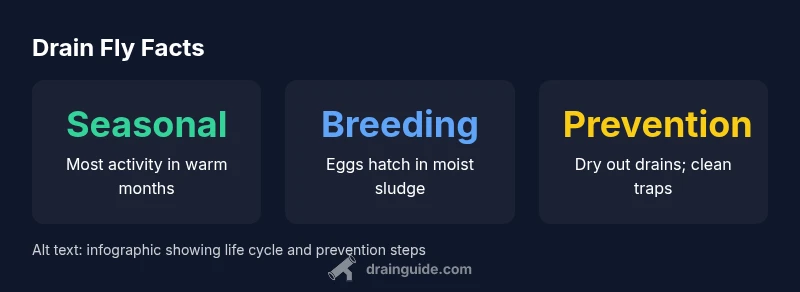
The life cycle of drain flies helps explain their visibility. Eggs hatch into larvae in damp, organic sludge inside pipes, traps, or drains; adults emerge quickly and are attracted to light near sources of moisture. This rapid life cycle means populations can surge after a few days of warm, stagnant water, making immediate sanitation an important first step. It also means that prevention is more about disrupting the breeding sites than chasing adult flies. Within a typical household, you will often see more activity near kitchen and bathroom drains—places where organic debris and moisture commonly accumulate. The Drain Guide team notes that while drain flies aren’t dangerous in the sense of biting or spreading disease, their presence is a reliable signal of moisture and sanitation issues that deserve attention.
Common causes and attracted conditions
Drain flies thrive where moisture, organic matter, and standing water intersect. In homes, the most frequent triggers include slow drains (even mild clogs), neglected P-traps, leaky pipes behind sinks, and poorly vented plumbing zones. Organic residue—hair, soap scum, and kitchen organic waste—accumulates in traps and drains, creating an ideal breeding ground. High humidity from poor bathroom ventilation or consistently damp basements also elevates risk. Even routine chores like rinsing dishes or running a shower can temporarily create the moist environment that drives rapid reproduction. It’s important to note that drain flies aren’t exclusively tied to dirty homes; they respond to moisture conditions and organic buildup, which can accumulate in any residence.
From a homeowner’s perspective, addressing moisture is the first line of defense. Cleanliness around drains, regular trap maintenance, and timely fix of leaks reduce the availability of breeding sites. Consider inspecting all potential problem areas—kitchen sinks, bathroom sinks, showers, and any place where water tends to accumulate. Reducing standing water and improving airflow with fans or dehumidifiers in damp spaces can also lower infestation risk. According to Drain Guide Team, these preventive measures are more effective when implemented as part of a consistent maintenance routine rather than as one-off remedies.
Regional and seasonal patterns
Geography and climate influence how common drain flies can be in a given home. A warm, humid climate with frequent rainfall tends to increase the likelihood of infestations, especially during late spring through early fall. Regions with well-functioning drainage systems and diligent DIY maintenance report noticeably fewer episodes, while those with older plumbing or frequent pipework may experience recurring issues. The research from Drain Guide Analysis, 2026 suggests that the core drivers are moisture and organic buildup, which means that even in cooler regions, a heat wave or a humid summer can temporarily raise activity levels. Homeowners who monitor humidity and implement routine drain maintenance typically see less persistent activity across seasons.
Detection strategies and prevention
Early detection matters. Look for small, moth-like flies hovering around drains, a telltale sign that breeding is occurring nearby. Check the P-trap under sinks for slime and odors, which indicate organic buildup. Quick wins include removing standing water, scrubbing drain interiors with a stiff brush, and flushing with hot water or a biological enzymatic cleaner to break down organic matter. Trapping can help you gauge whether activity persists after initial sanitation, and it may reveal which drains are most affected. Keep an eye on damp spots, especially in bathrooms and basements, and address any condensation or leaks promptly. Ventilation matters too; improved airflow reduces humidity and disrupts breeding conditions, lowering the chance of re-infestation.
DIY fixes that actually work
Start with a simple, three-pronged approach: sanitation, moisture control, and physical barriers. Sanitation means scrubbing drains with a brush, using a combination of hot water and appropriate cleaners, and removing organic debris. Moisture control involves fixing leaks, drying damp areas, and enhancing ventilation. Physical barriers include trap seals and, temporarily, sticky traps to capture adults while you troubleshoot the underlying source. For persistent issues, combining enzymatic cleaners with mechanical cleaning helps break down the organic film that harbors larvae. Maintain a schedule of routine drain maintenance—at least quarterly in damp climates—to deter new generations from establishing a foothold. Remember that drain flies respond quickly to changes in moisture and substrates, so consistent effort pays off faster than sporadic cleaning.
When to escalate to a professional
If you complete a full cycle of sanitation and moisture control and still observe continuous activity for more than a week, it’s time to involve a professional. A licensed plumber or pest technician can assess hidden leaks, drain line integrity, and venting issues that may not be visible. They may also offer targeted treatments that address the underlying plumbing problems rather than merely the adult flies. The Drain Guide Team recommends documenting infestation patterns, noting affected drains, and sharing your sanitation routine with the technician to expedite resolution.
Quick-start maintenance checklist
- Identify moisture sources: check all suspected drains, leaks, and humid spaces.
- Clean and scrub: thoroughly scrub sinks, shower drains, and P-traps; use enzymatic cleaners as needed.
- Fix leaks promptly: seal pipes behind cabinets and under sinks; repair faulty seals.
- Improve ventilation: use exhaust fans and dehumidifiers in damp rooms.
- Use traps, then reassess: place sticky traps temporarily to monitor activity and confirm progress.
Conclusion and next steps
For homeowners asking how to keep drain flies from returning, the answer lies in eliminating breeding sites and maintaining dry, well-ventilated drainage zones. The underlying moisture and organic buildup are the catalysts; removing them reduces the likelihood of recurrent infestations. Regular maintenance programs, combined with immediate attention to leaks and standing water, are the most reliable long-term defense. Drain Guide’s approach emphasizes proactive prevention, not reactive cleanup, to ensure your home remains inhospitable to these pests.
Drain Fly Indicators and Remedies
| Indicator | What it signals | Typical DIY action |
|---|---|---|
| Infestation signs | Winged, small moth-like flies near drains | Inspect drains; check traps; scrub and dry areas |
| Root causes | Moisture + organic buildup in P-trap | Fix leaks; clean traps; improve drainage |
| Seasonality | Higher activity in warm, humid months | Increase cleaning; maintain ventilation; seal entries |
Got Questions?
Are drain flies the same as fruit flies?
Drain flies resemble tiny moths and are tied to moist drains and organic buildup. Fruit flies breed in overripe fruit or juice. The two can be confused when flying, but their habitats and lifecycles differ.
Drain flies are moth-like and come from drains; fruit flies come from fruit and fermenting liquids. You can tell them apart by where they’re found.
What causes drain flies to appear?
Common causes include damp organic buildup inside drains, clogged traps, and plumbing leaks that create breeding sites.
They show up when moisture meets organic waste in drains, traps, or sewer lines.
How can I confirm it's a drain fly infestation?
Look for small moth-like flies near drains, inspect traps for slime, and note any sewer-like odors that indicate organic buildup.
If you see tiny moth-like flies around drains and a slimy trap, you likely have drain flies.
Are drain flies dangerous?
They are not known to bite or spread disease, but their presence signals sanitation issues and can worsen allergies in sensitive individuals.
They don’t bite, but their presence points to moisture problems you should fix.
What is the fastest DIY fix?
Start with thorough drain sanitation, fix leaks, remove standing water, and set up temporary traps to monitor progress.
Clean and dry the drains, repair leaks, and use traps to check progress.
When should I call a professional?
If activity persists after a week of cleaning and moisture control, or if you suspect hidden plumbing problems, seek professional help.
If DIY fixes don’t work after a week or if you suspect leaks, call a pro.
“Effective drain maintenance and prompt sanitation are the most reliable defenses against recurrent drain fly issues.”
The Essentials
- Identify and fix underlying moisture sources first.
- Clean drains thoroughly to disrupt breeding sites.
- Seal leaks and improve ventilation to reduce humidity.
- Use traps to observe activity and confirm progress.
- If DIY fixes fail after one week, call a pro.