Best Way to Clean Drain of Hair: A DIY Guide
Learn practical, catapult-safe methods for cleaning hair from drains. This step-by-step guide covers mechanical removal, safe cleaners, maintenance, and prevention to keep bathroom and kitchen drains flowing.


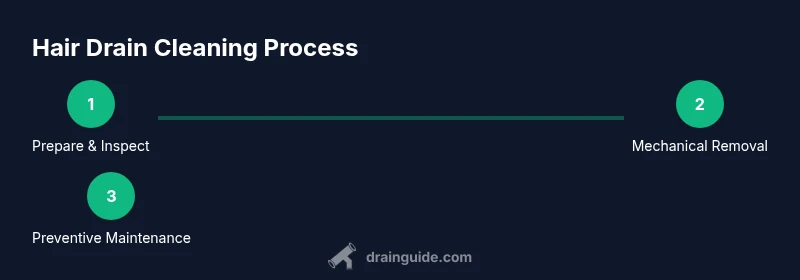
To tackle a hair-clogged drain, the best way to clean drain of hair combines mechanical removal with safe maintenance. Start by removing visible hair, then use a plunger or drain snake to break up the clog. Rinse with hot water, and apply a enzyme-based cleaner if needed. Finish with prevention habits to stop future hair buildup.
Why hair drains clog drains and how to prevent them
Hair is the most common clog culprits in bathroom sinks and showers. When strands accumulate, they trap soap scum, mineral deposits, and dirt, eventually forming a stubborn blockage. Understanding how hair behaves in plumbing helps you choose the right approach. The best way to clean drain of hair combines timely mechanical removal with thoughtful prevention. Start by inspecting the drain cover for loose hairs and removing visible strands with gloved hands or a pair of pliers. Next, avoid pouring grease or heavy cleaners that can bond with hair and worsen clogs. Instead, flush with hot water to loosen compacted fibers. For slow drains, a routine of weekly hair maintenance, plus a simple preventive trap or screen, can dramatically reduce buildup. If you notice recurring clogs, it’s worth investigating the p-trap under the sink; hair tends to collect there, creating a secondary blockage that’s easy to miss. By combining vigilance with a clear plan, you’ll minimize the frequency of clogs and keep your drains flowing.
Tools and materials you’ll need
Before you start, gather the following items. This list covers common hair clogs in bathroom sinks and showers. Essential tools: rubber gloves, flashlight, drain plunger, drain snake or auger, catch basin or bucket, old towels to protect the floor, enzyme-based cleaner, hot water, white vinegar, baking soda, kettle or pot for hot water. Optional: hair catcher/strainer replacement, safety glasses, garbage bag for debris, and a small hand mirror to inspect the trap. If you’re working with metal fixtures or older pipes, have corrosion-appropriate tools. Plan for disposal of hair and debris in the trash rather than down the drain to prevent future blocks.
Step 1: Prepare and inspect the scene
Before you start, clear the area, lay towels to protect the floor, and put on gloves. Confirm the drain you’ll work on—bathroom sink, shower, or tub—and remove the drain cover. A quick visual check helps you see whether the clog is hair-based, soap scum, or a blockage deeper in the pipe. If you spot hair wedged in the strainer, pull it out with gloved fingers or a pair of pliers. For stubborn clumps, use a flashlight to illuminate the trap area. With a plan in place, you reduce the risk of scattering debris and causing a bigger mess. Ground rules: never force a tool beyond the trap; hair can wrap around fittings and create additional resistance. Keep a receptacle handy for debris, and have a bucket ready for any residual water.
Step 2: Plunge the drain to loosen the hair
A plunger is often the quickest way to dislodge a hair clog without chemicals. Start with a cup plunger or a flange plunger, ensuring a good seal around the drain. Add several firm, controlled pushes to create suction that lifts the clog. Pause to check progress after 30-60 seconds. If you see water draining more freely, you’re on the right track. If not, re-seal and plunge for another minute or two. The key is to maintain steady pressure and avoid lifting the plunger too abruptly, which can push debris deeper. After several attempts, run hot water for a minute to help move loosened hair through the pipe.
Step 3: Use a drain snake to physically remove hair
A drain snake, or auger, can reach hair clogs that plunger alone can’t dislodge. Insert the snake into the drain and rotate the handle clockwise to grab hair and pull it out. When you feel resistance, slowly pull back while continuing to rotate, bringing the strand(s) up and out. If you meet a hard stop, push forward a few more inches and then pull back. Clean hair off the coil frequently to avoid re-cableing the drain. After extraction, pull the snake out slowly and wipe it clean. Run hot water for several minutes to flush any remaining debris. For metal pipes or snug spaces, use a flexible cable to avoid scratching surfaces. If hair keeps snagging on the snake, consider using a microfiber cover on the drain to reduce snagging.
Step 4: Apply enzyme cleaner or mild cleaner if needed
If hair remains or you want to treat the pipe interior gently, an enzyme-based cleaner can help break down organics without harsh chemicals. Follow the product’s instructions about dosing and contact time, typically letting the cleaner sit for 15-60 minutes before flushing with hot water. Enzymatic cleaners are slower than mechanical methods but gentler on pipes and septic systems. Do not mix different cleaners, and avoid caustic blends that can create hazardous fumes or reactions with metal fittings. If you prefer a natural approach, a small amount of baking soda followed by hot water can help neutralize odors and dislodge fine debris, though it’s not an aggressive cure for a dense hair clog. Always protect your skin and eyes when handling cleaners.
Step 5: Flush and verify the drain is clear
After treatment, flush the drain with a continuous stream of hot water for several minutes to confirm that water runs freely. Listen for gurgling sounds that indicate air pockets or ongoing restrictions. If the flow remains slow, repeat the most effective method you used earlier or move to the trap inspection. If you’re dealing with a shower or tub drain, removing the trap may provide a better view of the buildup. Reassemble the components securely and run water again to ensure a stable flow.
Step 6: Inspect and clean the P-trap and trap arm
Hair frequently traps in the P-trap under the sink or the trap arm in showers. Place a bucket beneath the trap, unscrew the slip nuts, and empty the contents into the bucket. Remove hair, mineral buildup, and soap scum with a brush. Rinse the trap with warm water and reinstall, ensuring the washers are seated properly to prevent leaks. This step is essential because even a small amount of hair left behind can quickly reform a clog. If the trap is corroded or damaged, replace it rather than attempting to clean and reuse it.
Step 7: Prevention and routine maintenance
To minimize future hair clogs, install a fine-mesh screen over the drain and clean it weekly. Teach household members to brush hair into the trash before showering and to keep bathroom surfaces clean. Use a routine of hot water flushes and a quarterly enzymatic treatment if there’s a high hair load. Avoid pouring grease, paint, or solvents into sinks, as these substances can create soap-scum-heavy clogs that trap hair. If your drain remains stubborn, review the plumbing layout; longer traps or rare pipe configurations can harbor hair in bends that are hard to reach. Maintaining a simple record of your maintenance can help you detect trends and schedule professional service before a real backup occurs.
Step 8: When to call a professional
If you have a severe clog, unusual odors, sewage backups, or slow drains that persist after multiple attempts, it’s time to contact a licensed plumber. Hair clogs in older homes with clay or metal pipes may require specialized tools to avoid damage. A professional can assess whether the blockage extends beyond the trap, evaluate venting issues, and recommend a long-term solution such as a cleanout installation or more extensive drain cleaning. Remember that DIY methods carry some risk of pipe damage or leaks if misused, especially on PVC with high heat or older metal pipes that may corrode. Drain safety matters; never force tools into compromised plumbing.
Authoritative sources and safety notes
For safety and best practices, consult reliable sources on plumbing maintenance and hygiene. The EPA and consumer protection organizations offer general guidelines on safe cleaning and disposal practices, while university extension programs provide practical, home-focused tips. Always wear gloves and eye protection when handling cleaners and hair debris, and dispose of hair in the trash rather than the drain. This guidance aligns with Drain Guide recommendations for DIY homeowners.
Tools & Materials
- rubber gloves(Nitrile gloves size M or L for grip and protection)
- flashlight(Bright beam to inspect the trap area and inside the P-trap)
- drain plunger(Cup plunger or flange plunger with a good seal)
- drain snake/auger(Flexible snake, 3-6 ft depending on space; avoid forcing in tight bends)
- catch basin or bucket(Place under trap to catch water and hair debris)
- old towels or rags(Protect floor and catch drips)
- enzyme-based drain cleaner(Gentle option; follow label directions)
- hot water(From kettle or kettle heater; avoid boiling when using PVC fittings)
- white vinegar & baking soda(Optional natural cleaners; use separately)
Steps
Estimated time: 60-90 minutes
- 1
Gather and prepare
Assemble all tools and materials in a clear workspace. Put on gloves, protect the floor with towels, and ensure good lighting. Identify the drain to work on and remove visible hair from the grate or screen to reduce the initial burden.
Tip: Prepare a disposal tray for hair and debris to prevent spills. - 2
Remove the drain cover and inspect
Take off the drain cover carefully and inspect the trap area for obvious hair buildup. Use a flashlight to peek into the opening, and suction out visible debris with gloved hands or tweezers before any tool use.
Tip: Don’t force covers or fittings; gentle prying prevents damage. - 3
Plunge the drain
Seal the drain with a plunger and perform several firm pushes to create suction. Check if the water level drops and the flow improves. Repeat until progress stalls or improves.
Tip: Keep the seal tight; partial seals reduce effectiveness. - 4
Use a drain snake to break hair
Insert the snake and rotate clockwise while pushing forward. When you encounter resistance, pull back slowly while continuing to rotate to pull hair out. Clean the coil as debris is retrieved.
Tip: Work gradually; forcing through hair can push it deeper. - 5
Remove hair and debris from trap
If possible, access the P-trap, remove it, and manually pull out hair clogs. Clean the interior with a brush, rinse, and reassemble with new washers if needed.
Tip: Inspect washers for leaks after reassembly. - 6
Flush and test the drain
Run hot water for several minutes to flush debris and verify flow. Look for signs of gurgling or slow drainage as indicators of remaining issues.
Tip: If slow, repeat the most successful method before proceeding. - 7
Consider enzyme cleaners
If hair reuse remains, using an enzyme-based cleaner can help break down organics without harsh chemicals. Follow label directions and avoid mixing cleaners.
Tip: Protect skin and eyes; enzymes need time to work. - 8
Prevent future clogs
Install a fine-mesh screen and establish a hair-prevention habit. Schedule periodic maintenance to catch issues before they back up.
Tip: Commit to a weekly check for best results.
Got Questions?
Is it safe to use boiling water on all pipes to clear hair clogs?
Boiling water can help move hair through PVC pipes, but it may damage older metal pipes or PVC joints. Use hot, not boiling, water when in doubt and consult a professional if you have metal pipes or suspect a compromised joint.
Hot water can help, but avoid boiling water on older pipes. If in doubt, test with warm water first.
Can enzyme cleaners replace mechanical removal for hair clogs?
Enzyme cleaners help break down organic buildup, but they are slower and less effective on dense hair clogs. They’re best used after mechanical methods or as ongoing maintenance.
Enzyme cleaners are good for maintenance, not a primary fix for a stubborn hair clog.
Should I remove the P-trap if the clog persists?
Yes, removing and cleaning the P-trap can reveal hidden hair and mineral buildup. Reassemble carefully to prevent leaks.
If the clog persists after other methods, check the P-trap for hair and clean it out.
When is it necessary to call a plumber?
Call a plumber if there’s sewage odor, backups in multiple fixtures, or clogs that repeatedly return despite DIY efforts. Advanced clogs may require professional equipment.
If backups keep happening or you smell sewage, it’s time to get a pro.
Do DIY hair-cleaning methods harm septic systems?
Most DIY hair-cleaning methods are safe for septic systems when used in moderation. Avoid caustic chemicals and enzymes too strong for your system.
Be mindful of your septic system—stick to gentler options and follow product directions.
Watch Video
The Essentials
- Start with mechanical methods before chemicals
- Inspect and clean the trap for best results
- Use prevention habits to reduce future clogs
- Choose the right tool for each clog stage
- Test drainage after each major step