Blocked Drain Vent Symptoms: Diagnosis and Fixes
Learn to recognize blocked drain vent symptoms, diagnose vent blockages, and safely fix issues with practical steps and professional guidance from Drain Guide.


Blocked drain vent symptoms usually stem from a blocked vent allowing pressure changes that slow drainage and trap sewer gases. Quick fixes: inspect accessible roof or plumbing vents for obstructions, clear debris with a gloved hand or a plumber’s vent brush, and run a test drain to verify air flow. If symptoms persist, seek professional help.
Understanding what a vent does in your plumbing
Vent pipes are the unsung heroes of your home’s drainage system. They admit air into the system to prevent pressure imbalances when water moves through pipes, which keeps traps sealed and sewer gases from entering living spaces. When a vent is blocked or restricted, you’ll start noticing what Drain Guide calls blocked drain vent symptoms: slower drainage, gurgling noises, and the occasional sewer-like odor. In some homes the problem shows up as toilets that bubble or toilets that refill after flushing, and sinks that drain reluctantly after use. The culprits are usually roof vents blocked by leaves or bird nests, interior vents clogged with lint or grease, or mis-sized piping that traps air. While some vent blockages are easy fixes, others require more thorough inspection, particularly if multiple fixtures are affected or if the odor persists after cleaning visible openings.
Recognizing the signs: blocked drain vent symptoms
The most common signs are easy to observe: gurgling in fixtures when water is running, slow drains across several fixtures, and sewer odors around plumbing penetrations. If the vent is blocked, air cannot escape as water enters the drain, causing negative pressure that siphons traps and releases odors. You may also notice water level fluctuations in the toilet bowl after flushing, or water backing up in a sink when a nearby fixture is drained. Weather can worsen the problem—heavy rain can push debris into the vent and amplify symptoms. If you see multiple symptoms across different rooms, a vent blockage becomes a strong suspect. Remember that a simple clog in a drain is different from a vent blockage, which is a problem with air flow rather than just water flow.
Common causes behind vent blockages
Vent blockages arise from a mix of natural and installed factors. Leaves, pine needles, bird nests, or trash can clog outdoor vent terminals. Inside the stack, soap scum, cooking grease, mineral buildup, and even pests can restrict airflow. Roof vents can also be damaged by fallen shingles or cracks that allow ingress of water, further complicating airflow. In some homes, improper venting practices—such as vents that terminate too close to the roof or under a deck—create dead zones where air cannot escape. Finally, older homes may have corroded or cracked vent pipes that gradually lose their sealing capability, enabling odors and pressure changes to leak into living spaces. Identifying the main cause guides the right remedy, from a simple vent cleaning to a full vent replacement.
How air and water flow interact in a vented system
A vent stack acts as an air channel: it lets air escape as water pushes through the drain, preventing negative pressure that would siphon traps and pull sewer gas into your home. When airflow is blocked, the system relies on nearby fixtures to supply air, which can create visible signs of trouble—gurgling, slow drainage, and odors. Water behavior changes as well: you might see water rise in a nearby toilet bowl after a sink is run, or you may hear tapping in the pipes as air tries to find a path out. Understanding this interaction helps you diagnose whether the issue is a vent blockage rather than a straightforward clog. If you perform tests and signs point toward vent restriction, broaden your inspection to the roof vent and main stack.
Quick self-checks you can perform safely
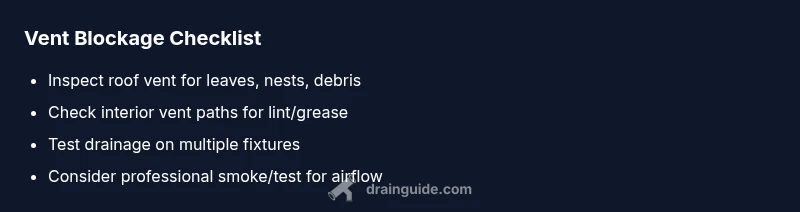
- Inspect the roof vent from the ground or a secure ladder position; remove obvious debris without stepping on the roof in wet conditions.
- Look for odors around vents and inspect attic or crawl space access points for moist, mildewed areas that suggest a vent leak.
- Check for gurgling on multiple fixtures within a short period; if many drains act up together, the vent is a likely contributor.
- Do not pour chemical drain cleaners into vent openings; these chemicals can damage seals and create further issues.
- If you aren’t comfortable with roof access or climbing, stop and call a professional to avoid injury.
Diagnostic approach: a homeowner-friendly overview
Follow a simple, repeatable flow: start with visible checks of vent openings, then test air movement by running water and listening for changes in tone. If symptoms persist, move to a more thorough inspection with smoke testing or camera inspection by a licensed plumber. Document which fixtures show symptoms and any weather-related pattern (after rain, after wind, etc.). This method helps you determine whether blocked drain vent symptoms stem from the vent system or from downstream drains. If tests indicate clear vents but symptoms continue, the problem may be in the main stack or an inline trap that is not vented correctly.
Home testing: when vent issues vs other drains
A slow drain in a single sink is often a clog, but when several fixtures slow together, a vent problem climbs the priority list. Try a controlled test: run water in multiple fixtures at once and listen for air sounds in the traps. If air movement is restricted and gurgling increases, the vent is the likely bottleneck. Conversely, a lone clogged drain probably doesn’t involve the vent. In all cases, ensure you are using proper PPE and avoid risky roof work if you’re unsure.
What to expect from a professional inspection
A licensed plumber will inspect the vent stack from the roof or crawl space, look for blockages, and may perform a smoke test to visualize airflow paths. They will check vent seals, pipes, and connections for cracks or leaks, and may use a camera to locate hard-to-reach blockages. If a vent blockage is confirmed, they will suggest cleaning out debris, resealing joints, or replacing aging vent components. They can also advise on vent cap installation to deter future blockages and provide a maintenance plan tailored to your home.
Prevention strategies for vent maintenance
Regular vent maintenance helps prevent blocked drain vent symptoms. Keep roof vents clear of leaves and nests, trim branches that overhang the vent, and ensure vent caps are secure. Periodically inspect attic or crawl space for signs of moisture around vent penetrations and address any leaks promptly. Use a vent brush or flexible snake to remove obstruction without damaging piping. Finally, schedule an annual check with a professional to catch problems early and maintain optimal air flow in the drainage system. Proactive care reduces emergencies and keeps drains flowing freely.
Steps
Estimated time: 60-90 minutes
- 1
Identify the symptoms
Make a note of which fixtures are affected, the frequency of gurgling, and whether odors appear after rainfall or heavy use. This will guide your inspection toward vent-related issues rather than isolated clogs.
Tip: Keep a simple log of symptoms with dates to share with a pro. - 2
Check visible vent openings
From ground level or a safe ladder, inspect roof vents for blockages. Remove obvious debris with gloves; never put hands into tight or obscured openings without proper PPE.
Tip: Wear safety goggles and non-slip footwear. - 3
Test airflow
Run water in a few fixtures and listen for changes in sound and drainage rate. If air seems to struggle, air flow is likely restricted in the vent stack.
Tip: Document which fixtures show signs to help diagnose later. - 4
Inspect interior vent paths
If accessible, check vent lines in the attic or crawl space for lint, grease, or pests. Do not force or poke deeply; use a flashlight and mirror if needed.
Tip: Avoid chemical cleaners near vents as they damage gaskets. - 5
Consider a smoke or pressure test
A professional may perform a smoke test to visualize airflow or a pressure test to locate leaks. These tests pinpoint where venting fails.
Tip: These tests require specialized equipment—plan for a pro. - 6
Decide on next steps
If tests confirm vent blockage, plan for cleaning or replacing affected vent components. If vents are clear but symptoms persist, investigate the main stack or traps.
Tip: Safety first: if you’re unsure, call a licensed plumber.
Diagnosis: Multiple fixtures show slow drainage, gurgling, and occasional sewer odors; signs worsen after rain or when several fixtures are used together.
Possible Causes
- highBlocked roof vent due to leaves, nests, or debris
- mediumInterior vent blockage from lint, grease, or mineral buildup
- lowDamage or improper routing of vent pipes causing airflow restriction
- lowMain stack obstruction or sewer line backup causing backing pressure
Fixes
- easyClear visible debris from the vent opening and ensure cap is intact
- mediumVacuum or brush interior vent paths with appropriate tools
- hardInspect and repair damaged vent sections or replace aging components
- mediumIf blockages persist, perform professional camera/smoke tests to locate hidden obstructions
Got Questions?
What are the blocked drain vent symptoms I should watch for?
Watch for gurgling noises when draining, slow drainage on multiple fixtures, and sewer-like odors near plumbing penetrations. These signs suggest a vent-related airflow issue rather than a simple clog.
Look for gurgling, multiple slow drains, and odors near vents—these hint at vent problems rather than a single clogged pipe.
Can a clogged vent cause sewer gas smell inside the home?
Yes. A blocked vent can allow sewer gases to escape into the living space, especially if trap seals are compromised or if the vent is malfunctioning.
A blocked vent can let sewer odors into your home, especially if traps are drying out or cracked.
Is it dangerous to use chemicals to clear a vent?
Yes. Chemical cleaners can damage vent seals and pipes, worsen odors, and pose safety risks. Use mechanical methods or consult a professional for vent cleaning.
Chemical cleaners can damage vent components and aren’t a safe DIY fix—mechanical cleaning or professional help is better.
Do vents affect upstairs fixtures more than downstairs ones?
Vent blockages can affect any fixture connected to the same vent stack. Upstairs baths and attic vents may show symptoms sooner if their vent runs are short or restricted.
Vent issues can hit any connected fixtures, not just upstairs ones, depending on how your vent stack runs.
How can I clear a blocked vent safely without a ladder?
If you can access the vent without climbing, remove obvious debris with gloves. For roof vents, avoid climbing; contact a professional to clear a blocked vent safely.
Don’t risk roof work—clear accessible vents safely from the ground and call a pro for roof access.
When should I call a professional for vent issues?
If you see persistent symptoms across multiple fixtures, or if roof work or interior vent access is required, contact a licensed plumber for a full vent inspection and testing.
If symptoms persist or rooftop access is needed, call a licensed plumber for a full vent inspection.
Watch Video
The Essentials
- Check vents first when drains run slowly.
- Venting issues cause gurgling and odors, not just clogs.
- Safety comes first; call a pro for roof work or uncertain scenarios.
- Regular maintenance reduces future vent blockages.