Drain Vent Under Sink: A Practical DIY Guide for Homeowners
Learn how to identify, inspect, and fix a drain vent under the sink. This comprehensive guide covers signs of blockage, locating access points, safe DIY steps, and maintenance to prevent future problems. Drain Guide provides clear, actionable instructions for homeowners.


Goal: verify if the vent under the sink is clogged or improperly installed, clear blockages, and restore proper airflow to prevent slow drainage and gurgling. Start by locating the vent, inspect accessible sections, use a snake or brush to clear debris, and test with running water. If the vent is inaccessible, consider professional help.
What the drain vent under sink does and why it matters
The drain vent under sink is part of your home's drainage system that allows air to enter the drainage lines as water flows out. Without proper venting, water can push against trapped air, leading to slow drainage, gurgling noises, and even sewer odors in the cabinet. A correctly vented system helps maintain neutral pressure, which keeps water flowing smoothly and reduces the likelihood of siphoning traps dry. For homeowners, understanding this component helps explain why a seemingly simple clog can cascade into bigger issues. When venting works as intended, you notice fewer backups, quieter drains, and less odor near the cabinet. Regular inspection and light cleaning of accessible vents can prevent many common problems tied to vent blockages.
Signs of a clogged vent and common causes
Dealing with a drain vent under sink starts with recognizing the signs. Look for slow drainage that worsens when multiple fixtures are used, persistent gurgling from the drain, or a noticeable sewer smell in or near the cabinet. These symptoms often point to a blocked vent line or an obstruction at the vent opening. Common culprits include hair, soap scum, grease buildup, drywall dust, or even insect nests that migrate into wall cavities. In some homes, venting changes or improper connections during renovations can mimic clog symptoms. By staying alert to these signals, homeowners can plan a methodical approach without resorting to costly or invasive work.
How to locate the vent under the sink in typical homes
Locating the vent access point is the first practical step. In many houses, the vent travels vertically from the drain to the wall or ceiling, with a cleanout or small service opening behind the vanity. In some cases, you will find a cleanout plug or a small hole in the back of the cabinet concealment. If you can see the trap arm and a short horizontal pipe leading toward the wall, you may be near the vent connection. Before you start, shut off the cold water supply, place a bucket under any joints, and prepare towels for spills. A flashlight helps reveal obscured areas inside the cabinet and behind removed panels.
Safety considerations before you begin
Vent work involves plumbing joints and potential splash. Wear protective gloves and safety glasses, and work in a well lit area. Keep a bucket handy for catching water and a towel to manage spills. If you must loosen fittings, use the appropriate wrench and avoid forcing components, which can crush seals and create leaks. Always confirm the hot and cold supply lines are not compromised before you begin. If you encounter PVC piping, avoid overtightening plastic fittings. If you’re unsure about a joint or foreign object in the vent, pause and reassess to prevent accidental damage.
Diagnostic and clearing approach for the vent under sink
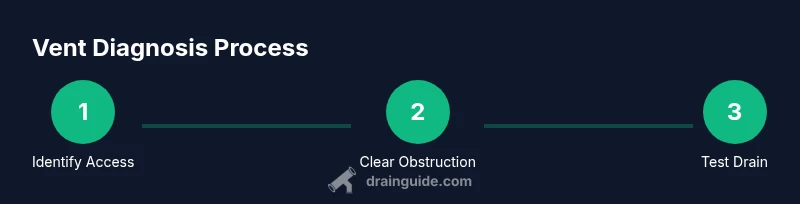
A calm, methodical approach helps you diagnose and clear a drain vent under sink without creating a bigger mess. Start with accessibility: check the visible vent opening or cleanout in the cabinet. If you see debris, remove and dispose of it safely. Use a drain snake or a flexible brush to dislodge hair and gunk in the vent path, working gradually to avoid pushing material deeper. After clearing, run water and observe the drainage pattern. If drainage improves, you may have resolved the blockage. If not, additional steps or professional help may be required. Documenting the location of the vent helps prevent future confusion during maintenance.
Maintenance to prevent future vent clogs
Prevention is simpler than frequent fixes. Schedule periodic light cleaning of accessible vent openings and keep the cabinet area free of lint and excess moisture. Avoid pouring grease or coffee grounds down the drain, and consider using a mesh strainer in the sink to capture debris before it enters the P-trap area. If you have a history of vent-related issues, plan for annual checks or integrated vent cleaning as part of home maintenance. A small amount of vinegar and hot water can help loosen minor buildup, though avoid harsh chemical drain cleaners that can damage pipes and seals. Regular maintenance reduces the chances of sudden clogs and keeps your sink draining smoothly.
When to call a professional
If you cannot locate an accessible vent, the blockage persists after a DIY clean, or you notice recurring odors or slow drainage across multiple fixtures, it is time to call a licensed plumber. Severe blockages within wall cavities or issues with the main vent stack require professional tools and expertise. A plumber can verify vent integrity, ensure proper vent height and connection, and diagnose related problems such as a blocked sewer line or vent stack damage. Early professional input can prevent more expensive repairs later, especially in homes with older piping or complex plumbing layouts.
Quick primer on venting and air balance in drainage systems
Ventilation in drainage systems prevents negative pressure that can siphon water from traps, maintaining a water seal that blocks sewer gases. The drain vent under sink plays a supporting role for the entire system by allowing air to enter as water flows, which prevents glugging and improves drainage. When a vent is blocked, air cannot enter, pressure builds and disrupts the flow of water. Homeowners who pay attention to vent health often notice easier drainage and fewer smells after simple cleanups or vent reattachment. In some cases, upgrading to a modern venting approach or adding an air admittance valve (AAV) can improve performance, but installation should be done with proper codes and safety in mind.
Tools & Materials
- Work gloves (nitrile or rubber)(Protect hands from grime and sharp edges)
- Safety glasses(Shield eyes from splashes and debris)
- Flashlight or headlamp(Improve visibility inside the cabinet and wall cavity)
- Bucket or tray(Catch water as you open joints and traps)
- Towels or rags(Contain spills and dry surfaces)
- Drain snake / auger(Manual or drill-powered; choose 3-6 ft length)
- Pliers or adjustable wrench(Loosen fittings safely without rounding nuts)
- Screwdriver set(Remove cleanouts or access panels)
- Plumber's tape (PTFE)(Optional for resealing joints after work)
- Cleaning brush(Small brush to scrub debris from joints)
Steps
Estimated time: 60-120 minutes
- 1
Locate the vent access point
Identify where the vent connects to the drain system and look for an access cleanout or vent opening inside the cabinet. If you can see a small pipe or cap behind the trap area, you are close to the vent. Gather your tools and prepare a bucket for drips before proceeding.
Tip: Label the access point once found to simplify future maintenance. - 2
Inspect the trap and outlet
Check the P-trap for debris that could force water to back up into the vent path. Remove any visible buildup with a brush, then rinse with water. Tighten loose fittings and ensure the trap sits properly to prevent leaks.
Tip: Never overtighten plastic fittings; tighten just enough to stop leaks. - 3
Clear the vent path with a drain snake
Carefully insert the snake into the vent access and rotate the handle to break up debris. Push forward slowly, avoid forcing too aggressively, and pull back sections to remove material. Reassess access as you go to prevent damaging joints.
Tip: Work slowly; resistance is often caused by dense buildup rather than a hard obstruction. - 4
Flush the line and test drainage
With the vent path clear, run cold water for several minutes to observe flow. Watch for air bubbles or irregular gurgling; note if flow improves as you test additional fixtures. If drainage stalls again, repeat the clearing step or move to an alternate access point.
Tip: Keep the bucket under the cabinet during testing to catch splashes. - 5
Reassemble and inspect connections
Reinstall any removed panels or fittings, ensure seals are snug, and check for leaks after running water. Examine the area for any signs of moisture or staining that might indicate a hidden leak or misalignment.
Tip: Run a full drain cycle from different fixtures to confirm consistent performance. - 6
Know when to call a plumber
If the vent remains blocked, cannot locate an access point, or symptoms persist across fixtures, professional help is warranted. A plumber can assess vent integrity, verify code compliance, and address more complex issues like hidden blockages in wall cavities.
Tip: Document symptoms and steps taken to share with the plumber for faster resolution.
Got Questions?
Where is the drain vent under the sink typically located?
Typically located behind the vanity cabinet or inside the wall near the drain line. Look for a cleanout plug or a small vent pipe that leads toward the wall. If you cannot locate it, a professional may be needed to access the vent stack.
The vent is usually behind the cabinet or in the wall near the drain. If you can't find it, a plumber can help access the vent stack.
What are common signs of a clogged drain vent under sink?
Slow drainage, gurgling noises, and sewer odors near the cabinet are typical signs. These symptoms indicate restricted air flow in the vent path.
Watch for slow draining, gurgling, and smells near the cabinet.
Can I clear a vent with a drain snake?
Yes, from an accessible access point, slowly rotate the snake to break up buildup. If resistance is strong or the vent is not accessible, stop and seek professional help.
You can try with a snake if you have access; otherwise call a pro.
Is an air admittance valve a good substitute?
An air admittance valve can vent the line without a roof vent, but installation varies by code and may require a professional.
An AAV might work, but it often needs proper installation by a pro.
When should I call a plumber for vent issues?
Call a plumber if the vent remains blocked after DIY attempts, or symptoms persist across fixtures or after ventilation work.
If the issue persists after DIY steps, contact a plumber.
Watch Video
The Essentials
- Identify vent signs and access points early
- Clear debris safely with basic tools
- Test drainage after each step
- Know when to escalate to a professional