How to Clean a Drain: Step-by-Step Guide
Learn safe, effective techniques to clean a drain, prevent clogs, and maintain plumbing health. This Drain Guide tutorial covers tools, steps, safety, and long-term maintenance.


You will learn how to clean a drain safely and effectively, with a clear tool list and a step-by-step approach to clear common clogs in kitchen and bathroom sinks. This guide covers mechanical and natural methods, safety precautions, and how to evaluate persistent problems. According to Drain Guide, regular maintenance beats reactive fixes, and following proper technique reduces the risk of damage.
Why a clean drain matters
A clean drain keeps your plumbing flowing smoothly, prevents foul odors, and reduces the risk of costly backups. For homeowners and DIY enthusiasts, a well-maintained drain means fewer surprises and lower repair bills over time. A clean drain also helps protect seals, traps, and venting that keep sewer gases from entering living spaces. Drain Guide emphasizes that routine, proactive care is more effective than piecemeal fixes when a problem escalates. Regular flushing, mindful disposal of grease, and periodic minor.cleanings can significantly extend the life of your drainage system. By understanding how a drain operates and what contributes to buildup, you can tailor maintenance to your home’s needs and avoid common mistakes that lead to damage.
How drains work: pipes, traps, and vents
Drainage systems are a network of pipes, traps, traps, and vents designed to move water and waste away from living spaces. The P-trap—the curved section under sinks—holds water to block sewer gases. Vent pipes, usually running up through the roof, equalize pressure so water can drain smoothly. Blockages typically form at the trap, in the tailpiece, or within the horizontal drain lines. Understanding this flow helps you diagnose where a clog is most likely to occur and choose the most effective method for clearing it. When you clean a drain, start at the point where water backs up and work toward the main line, keeping in mind that a partial clog can trap moisture and odors.
Signs your drain needs attention
Watch for slow drainage, gurgling sounds, or frequent sewer odors. Standing water in the sink, water backing up into another fixture, or water pooling around a cleanout are red flags. If a single drain is slow, the issue may be localized to that fixture; if multiple fixtures slow together, you may have a broader blockage or venting problem. Persistent backups after routine cleaning suggest a deeper issue that may require professional assessment. Note any unusual sounds, smells, or water usage patterns, and document when the problem occurs to help diagnose the cause.
Methods to clean drain: mechanical vs chemical vs natural
Mechanical methods, like plunging or using a drain snake, physically remove clogs and are often the safest first step. Chemical cleaners can be effective for stubborn blockages but can damage pipes or trap materials if misused. Natural methods—such as baking soda and vinegar followed by hot water—are gentler and can help with routine maintenance, though they may not remove large or solid blockages. In most cases, a progressive approach starting with mechanical methods and reserving chemicals for persistent clogs yields the best balance of safety and effectiveness. Drain Guide Analysis, 2026 notes that proactive maintenance improves outcomes and reduces the need for harsh cleaners over time.
Step-by-step approach to a routine clean
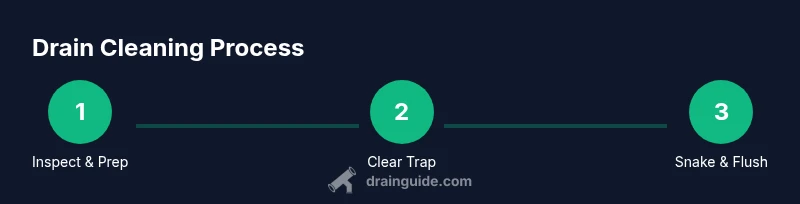
A routine clean combines inspection, mechanical clearing, and flushes to discourage future buildup. Start by removing the trap to physically inspect for debris, then reassemble. Follow with a snake to reach the clog, and finish with a hot-water flush. Incorporate natural cleaners between major steps to maintain a healthy sheen and keep odors at bay. This routine supports long-term drain health by addressing both surface buildup and deeper blockages. It’s a practical way to keep drains flowing freely without frequent emergency calls.
Safety and best practices
Always wear gloves and eye protection when working with drains. Ventilate the area and avoid mixing chemical cleaners with other products. Keep children and pets away from the work zone. If you have older pipes or suspect a sewer backup, stop and call a licensed plumber. Dispose of used water away from food prep areas and ensure you rinse tools thoroughly after use. Following these safety practices protects both your household and your plumbing system.
Troubleshooting common issues
If a drain remains slow after a routine clean, recheck the trap for obstructions and verify the P-trap is properly positioned. A partially clogged main line may require a longer snake or professional equipment. If you notice persistent odors, check the vent stack for blockages, which can mimic a clogged drain. For garbage disposals, ensure blades are free of food particles and there is sufficient water flow. Document symptoms to help your plumber diagnose faster if professional help is needed.
Maintaining a clean drain long-term
Create a simple maintenance schedule: monthly hot-water flushes, quarterly baking soda and vinegar cycles, and annual inspection of the traps and seals. Avoid pouring grease, oils, coffee grounds, and fibrous foods down the drain, and install screen stoppers to reduce debris. A small investment in time now can prevent bigger problems later, keeping your plumbing healthy and your home free from unpleasant surprises. The Drain Guide team recommends staying proactive with routine checks and cleanings to sustain a clean drain over time.
Authority sources and further reading
For safety and best practices, consult official guidelines from trusted sources. Here are a few references to support best practices:
- https://www.osha.gov
- https://www.epa.gov
- https://www.cdc.gov
In summary, combining mechanical clearing, safe natural methods, and correct disposal habits creates a sustainable approach to drain maintenance. Remember: a clean drain today reduces the risk of messy, expensive problems tomorrow. The Drain Guide team emphasizes that a proactive, informed approach pays off in the long run, and regular practice keeps your home running smoothly.
Tools & Materials
- Plunger (cup style)(Use a cup plunger with a tight seal for sinks.)
- Drain snake / auger(3-5 ft flexible snake for sinks; consider longer for showers.)
- Bucket(To catch water and debris when removing traps.)
- Rubber gloves(Protect hands from bacteria and grime.)
- Safety goggles(Shield eyes from splashes and debris.)
- Flashlight(Inspect dark pipes and traps clearly.)
- Adjustable wrench or pliers(Helpful if trap nuts are stiff.)
- Dish soap(Lubricates and helps loosen debris.)
- Baking soda(Natural cleaner for maintenance cycles.)
- White vinegar(Used with baking soda for a gentle flush.)
- Wet/dry vacuum (optional)(Can help remove standing water and fine debris.)
Steps
Estimated time: 45-75 minutes
- 1
Prepare and safety-check
Put on gloves and goggles, clear the area, and place a bucket under the trap. Remove any standing water and disconnect the area if needed. This step minimizes splashback and keeps the workspace clean.
Tip: Ventilate the area; avoid mixing cleaners. - 2
Inspect the trap
Place the bucket beneath the U-shaped trap and slowly loosen the nuts. Remove the trap and check for hair, grease, or solid debris. Reassemble if clear or clean out as needed.
Tip: Clean the trap with warm water and a brush before reassembly. - 3
Clear visible debris
Manually remove obvious blockages from the trap and pipe stubs. Use the flashlight to inspect the pipe interior beyond the trap. This reduces the load on the snake.
Tip: Never force material; take breaks if you meet resistance. - 4
Use a drain snake
Insert the snake into the drain and turn the handle to break through or catch the obstruction. Push and twist gently, then pull out debris as it comes free.
Tip: If you hit a tight spot, rotate slowly and retract gradually. - 5
Flush with hot water
Boil water and slowly pour down the drain to clear remaining particles and reset the trap seal. For mineral buildup, consider a baking soda and vinegar cycle before the hot water flush.
Tip: Pour hot water in stages to avoid splashing. - 6
Natural cleaner cycle
Pour 1/2 cup baking soda followed by 1 cup vinegar down the drain, wait 15 minutes, then flush with hot water. This can help maintain cleanliness without harsh chemicals.
Tip: Do not mix with chemical cleaners. - 7
Reassemble and test
Carefully reattach the trap, check for leaks, and run water to test drainage. If there are leaks, tighten connections gradually and re-test.
Tip: Always test with water before closing the area. - 8
Document and routine
Record what was done and schedule a routine maintenance (monthly or quarterly). Consistency prevents major clogs and odors.
Tip: Create a simple maintenance reminder in your calendar.
Got Questions?
What is the best method to clean a slow-draining sink?
Begin with mechanical methods like a plunger or drain snake. If that fails, use a natural baking soda and vinegar cycle followed by hot water. Avoid immediately using chemical cleaners and assess for deeper issues if slow drainage persists.
Start with a plunger or snake, then a baking soda and vinegar cycle with hot water. If slow drainage continues, consider a deeper blockage.
Can I pour baking soda and vinegar to clean drains?
Yes, baking soda and vinegar can help with routine maintenance and minor buildup. It’s a gentle approach that may prevent future clogs, but it may not clear solid blockages.
Baking soda and vinegar is good for routine maintenance, but may not clear solid clogs.
Are chemical drain cleaners safe for PVC pipes?
Chemical cleaners can damage pipes and seals if used improperly. They should be a last resort, and you should follow label directions and ventilation requirements closely.
Chemicals should be a last resort and used with caution to avoid pipe damage.
When should I call a plumber?
If multiple fixtures back up or you notice persistent sewer odors after cleaning, it’s wise to call a licensed plumber. Also seek help for unusual water levels or signs of a potential sewer line issue.
Call a plumber if backups persist or you notice strong sewer odors after cleaning.
Why does my drain still smell after cleaning?
Odors can indicate buildup in the trap, venting issues, or dried seals. Replacing the trap or cleaning vents may help, and ensure there is water in the trap to block sewer gases.
Persistent odors may mean venting issues or dry traps; replenish water in traps and inspect vents.
Is it safe to use a drain auger in a garbage disposal?
Using a drain auger near a garbage disposal is possible, but avoid damaging the disposal blades. Power off the unit and proceed slowly, ensuring you don’t twist or force metal into the disposal mechanism.
Be cautious with an auger near a garbage disposal; power off first and work slowly.
Watch Video
The Essentials
- Regular maintenance prevents major clogs.
- Start with mechanical methods before chemicals.
- Safety gear protects you during cleaning.
- Know when to call a professional.
- Document a maintenance routine for long-term success.