How to Clean a Drain with Baking Soda and Vinegar
Learn a safe, DIY method to clear minor drains using baking soda and vinegar. This step-by-step guide covers tools, safety, troubleshooting, and tips for homeowners and DIY enthusiasts in 2026.


You will clean a drain using baking soda and vinegar to clear minor clogs and deodorize pipes. This chemical-free method works with hot water and basic tools. You’ll need baking soda, white vinegar, boiling water, a kettle, a measuring cup, and a plunger or drain snake if available. According to Drain Guide, it’s beginner-friendly and safe.
Why Baking Soda and Vinegar Is a Home-Drain Solution
Baking soda and vinegar have a long history as a safe, affordable cleaning duo. When used in a drain, they can help loosen organic buildup and deodorize pipes without resorting to harsh chemical cleaners. For many households, this approach is the first step in routine drain maintenance. According to Drain Guide, the combination relies on a gentle chemical reaction that produces fizz and heat, which can help dislodge light clogs and push residue toward the main line. It is most effective for slow sinks caused by soap scum, hair, or grease mixed with standing water. It is not a guaranteed fix for deeply embedded or fully blocked pipes, but it can restore flow and prevent odors between professional interventions.
Additionally, the method is beginner-friendly and uses readily available pantry items, making it a practical weekend DIY task. For households with septic systems, it is important to use the method in moderation and avoid mixing baking soda and vinegar with commercial chemical cleaners, which can upset the bacterial balance in the septic tank. Drain Guide emphasizes safety: never mix with bleach or other cleaners in the same drain, and never seal a drain completely during the fizz stage. Overall, this approach aligns with common home maintenance practices that prioritize safety, affordability, and environmental responsibility.
How the Reaction Works to Lift Clogs
Chemically, baking soda (sodium bicarbonate) reacts with vinegar (acetic acid) to form carbonic acid which quickly decomposes to carbon dioxide gas, water, and sodium acetate. The effervescence and mild heat help loosen and mobilize organic residues, especially when standing water slows movement. This process is primarily mechanical in nature—pushing debris and soap scum toward the trap—rather than aggressively dissolving hair or grease trapped in the U-bend. For many homeowners, this explanation translates into a practical takeaway: you’re creating a bubbly agitation that can nudge build-up free without risking harsh caustics. Drain Guide notes that patience pays off: a slow drain may respond after a couple of cycles, while a completely blocked pipe requires professional attention.
When This Method Works (and When It Doesn't)
This approach shines for minor, non-accumulated blockages caused by organic buildup—soap film, hair that hasn’t formed a tight knot, and typical kitchen or bathroom gunk. It’s also useful for refreshing drains with persistent, but not severe, odors. If a clog is primarily due to solid objects, a hairball, or mineral deposits that have fully closed off the passage, baking soda and vinegar will have limited effect. If you have a septic system, use the method sparingly and avoid treating drains with chemical cleaners in the same week; overuse can disrupt beneficial bacteria. Drain Guide recommends reserving this technique for maintenance rather than for urgent plumbing failures, and to avoid mixing with other cleaners that can create dangerous gases or reactions.
Preparing Your Drain Cleaning Kit
As a homeowner, gathering a small, reliable toolkit before starting saves time and reduces mess. You’ll want familiar items that are easy to stock or reuse. This preparation step ensures you work cleanly and confidently when you begin the fizzing process. Keep your work area dry and accessible, with towels on standby to catch splashes and a trash bag handy for disposal of debris. Wearing gloves protects the skin from hot water and any splashes, while a flashlight helps inspect the drain once you rinse. Having a measuring cup on hand ensures you pour consistent amounts of baking soda and vinegar, minimizing waste and controlling the reaction.
The Process: Baking Soda, Vinegar, and Hot Water
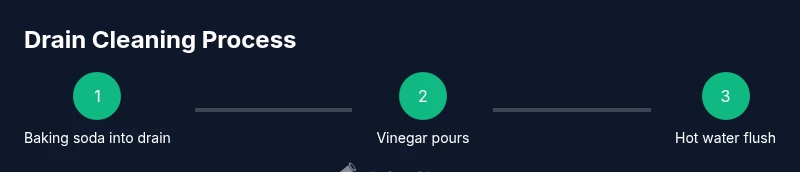
The core process uses a simple ritual: pour baking soda into the drain, followed by vinegar, then hot water. The fizz helps lift light clogs and rinse away residue. After waiting for a short dwell time, flush with hot water to push debris through the trap and into the main line. If the flow remains sluggish, you can repeat the cycle once. This approach is designed to be gentle on most plumbing while offering a quick refresh for slow drains. Always monitor the reaction, avoid closing the drain too tightly, and be prepared for splashes. Drain Guide reminds readers that this is a safe, economical option suitable for routine maintenance.
Troubleshooting Common Outcomes
If you notice a temporary improvement but the drain returns to slow drainage after a few hours, repeat the cycle or try a second approach with a plunger or drain snake. A plunger adds a directional push to dislodge debris that the fizz cannot reach. A drain snake can physically grip hair or solids further down the pipe. If water still does not flow after two attempts, it is time to call a professional. Do not force a chemical-based cleaner into the pipe in an attempt to push through stubborn clogs, as this can damage pipes or create hazardous fumes when mixed with other products.
Safety Considerations and When to Avoid This Method
Never mix baking soda and vinegar with chlorine bleach or ammonia-based cleaners. The resulting reaction can produce hazardous gases. Do not perform this method if you smell gas near the sink, or if you suspect sewer-line issues. Wear protective gloves and goggles if possible, particularly if you are using boiling water; hot water can damage PVC fittings if poured too aggressively. Keep children and pets away from the workspace, and avoid covering the drain with a lid, which can trap gases. If you have older or brittle pipes, proceed with caution and consider consulting a professional before introducing boiling water.
Cleaning Aftercare: Rinse and Prevent Odors
After the fizzing cycle, flush the system with a generous amount of hot water to clear residual baking soda and vinegar, then run cold water for a few seconds to normalize the pipe temperature. Wipe the sink area, dry the drain cover, and consider a light weekly maintenance routine—flushing with hot water and a quarterly baking soda-vinegar cycle—to prevent odor build-up. Regular maintenance keeps drains flowing and minimizes the need for harsh chemical cleaners. If odors persist, consider checking the venting, trap seals, and ensuring the P-trap is filled with water to prevent sewer gases from entering the living space.
Tools & Materials
- baking soda(about 1/2 to 1 cup (120-240 ml) depending on drain size)
- white vinegar(about 1 cup (240 ml))
- boiling water(hot, not scorched; for gas-prone lines, use near-boiling water)
- kettle or pot for boiling water(for preparing hot water safely)
- measuring cup(to measure baking soda and vinegar accurately)
- plunger (cup-style or flange-type)(optional for added agitation)
- drain snake (auger)(optional for stubborn clogs)
- rubber gloves(protect hands during handling)
- towel or rag(to catch splashes and wipe surfaces)
- flashlight(to inspect the drain and trap area)
Steps
Estimated time: 30-45 minutes
- 1
Clear the area and prep workspace
Move any items from the sink area and place a towel nearby. Wear gloves if available and ensure pets and children are out of the way. This preparation minimizes splash risks and gives you a clear view of the drain as you work.
Tip: Having a dry surface around the sink helps you monitor the reaction and prevents accidental spills. - 2
Pour baking soda into the drain
Pour 1/2 to 1 cup of baking soda directly into the drain opening. If the drain is wide, you can gently distribute the powder around the sides to maximize contact with the clog.
Tip: Aim for an even, steady pour to avoid clumping that can block the drain opening. - 3
Pour vinegar into the drain
Slowly pour 1 cup of white vinegar into the drain. The mixture will fizz; if possible, cover the drain with a stopper or cloth to keep the reaction inside the pipe for a few minutes.
Tip: Covering the drain traps the fizzing action and improves contact with buildup. - 4
Wait for the reaction
Allow the fizz to work for 15-30 minutes. This dwell time gives the mixture a chance to loosen organic residue and push debris toward the trap.
Tip: Use this time to wipe down the area and prepare hot water for flushing. - 5
Flush with hot water
Carefully pour or slowly pour boiling water into the drain to flush loosened material through the pipe. Repeat if the water doesn’t drain freely after the first flush.
Tip: If you notice any signs of pipe stress ( cracking sounds or slow drainage retracting), stop and reassess the method. - 6
Assess and repeat if needed
Run the faucet to test drainage. If slow drainage persists, repeat Steps 2–5 once more or switch to a plunger or drain snake for mechanical removal.
Tip: A second attempt is often enough for light clogs; avoid overdoing it to prevent pipe stress. - 7
Finish and clean up
Wipe surfaces dry, return tools to their spots, and store reusable items. Document the outcome and consider a routine maintenance schedule to prevent future clogs.
Tip: Keep a small note of which drains you treated and when for future reference. - 8
Call a pro if needed
If water continues to back up after two cycles or if you notice sewage odors, contact a licensed plumber. Persistent clogs may indicate deeper problems that require professional repair.
Tip: Don’t force a snake or plunger if you meet resistance; this can push debris further into the pipe.
Got Questions?
Is cleaning drains with baking soda and vinegar safe for septic systems?
In moderation, this method is generally safe for septic systems because it uses naturally occurring substances. Avoid repeated heavy applications and combine with enzyme-based septic treatments to maintain bacterial balance.
This approach is usually safe for septic tanks if used sparingly and with caution.
Will this method fix a hair clog?
Hair clogs can respond to the fizz and flush technique when they are not tightly bound. For stubborn hair blocks, mechanical removal with a plunger or snake may be necessary.
Hair clogs may respond to the fizz, but stubborn ones often need a physical pull.
How often should I perform this method?
Use this method as a maintenance practice, not a replacement for professional care. Quarterly sessions can help prevent buildup, but don’t overdo it if your drain is already slow.
Use this as regular maintenance, not a replacement for professional help if the problem persists.
Can I use this with other cleaners?
Do not mix baking soda and vinegar with other chemical cleaners. Mixing with bleach or strong drain cleaners can release toxic gases and damage pipes.
Avoid mixing with other cleaners to prevent dangerous fumes and pipe damage.
What should I do if the drain doesn’t improve after two cycles?
If there’s no improvement after two cycles, stop and call a plumber. A deeper clog or pipe issue may require professional assessment.
If two cycles don’t help, contact a plumber for a proper check.
Is boiling water safe for all pipes?
Boiling water is generally safe for metal pipes but can damage older PVC pipes or seals. If in doubt, use hot—not boiling—water and test your plumbing carefully.
Boiling water can damage some pipes; test if yours are PVC or older before using very hot water.
Can this method eliminate odors in the drain?
Yes, the combination helps reduce organic buildup that causes odors and can leave drains smelling fresher after a flush with hot water.
It can help reduce odor by clearing buildup and flushing away residues.
Watch Video
The Essentials
- Use baking soda and vinegar for minor, organic drain issues.
- Follow with hot water to flush debris through the system.
- Never mix cleaners; practice safety and ventilation.
- If the clog persists, escalate to mechanical tools or a plumber.