How to Clean a Drain with Vinegar: Safe DIY Tips
Learn how to clean drain with vinegar safely using common pantry ingredients. This step-by-step guide covers preparation, timing, safety, and maintenance to prevent future clogs.


Why Vinegar Helps with Drain Cleaning
Vinegar is not a universal solvent, but its acidity can loosen everyday buildup in kitchen and bathroom drains. According to Drain Guide, this approach is well-suited for light clogs caused by soap scum, grease, and mineral deposits rather than heavy blockages or collapsed pipes. When used properly, clean drain with vinegar avoids harsh chemicals while still delivering noticeable freshening and improved flow.
The chemistry is simple: acetic acid in vinegar lowers the pH locally, helping to break down certain organic materials. For most drains, a combination of vinegar with hot water creates enough warmth to carry the solution down the pipe, reducing residues. The addition of baking soda can produce a gentle fizzing action that helps dislodge debris, though the effect is primarily mechanical rather than chemical. Always avoid mixing vinegar with bleach or ammonia, which can release hazardous gases.
Practical use cases: (1) a mildly slow kitchen sink after dishwashing, (2) a bathroom drain with minor soap scum, and (3) a shower drain with hair-minimal buildup. If the drain improves after a single treatment, you can repeat weekly as a maintenance routine. If there’s standing water, odors, or poor drainage that persists after a few rounds, it’s safer to investigate deeper or call a licensed plumber.
Safety and Limitations
Vinegar is generally safe for most household drains, but it is not a universal cure for all problems. Do not expect vinegar to dissolve severe clogs, solidified grease, or tree root intrusion. For metal pipes, persistent foaming and bubbling are normal, but if you notice unusual smells, leaks, or corrosion, discontinue use and consult a professional. Never mix vinegar with bleach, ammonia, or commercial drain cleaners; the chemical reaction can release toxic gases and harm your pipes and lungs.
Always test a small section of pipe first if you’re unsure of material compatibility. If you have PVC plumbing, vinegar’s acidity is usually safe in moderate amounts, but excessive exposure can soften certain plastics over time. When in doubt, opt for a professional assessment rather than forcing a blockage through the system.
Preparing the Area and Safety Measures
Before you start, open doors or windows to ensure good ventilation and wear protective gloves. Remove any stored objects around the sink to avoid spills, and place towels or a bucket under the drain to catch overflow. If you’re cleaning a bathroom or kitchen, protect cabinetry and countertops with a waterproof mat. Have your tools ready: vinegar, hot water, baking soda, a plunger, and a cup or measuring vessel. Knowing these steps and preparing the space reduces mess and speeds up the process.
Step-by-Step Approach (Contextual Overview)
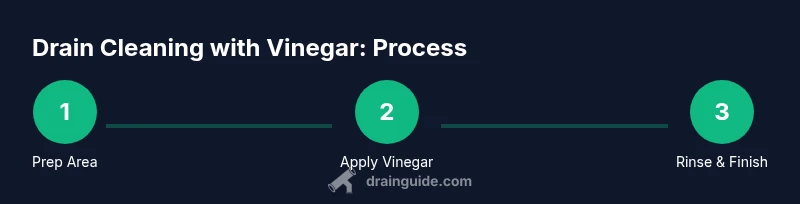
A vinegar-based drain clean is most effective when used consistently as part of routine maintenance. While this section provides context and nuance, you’ll find the precise actions in the dedicated STEP-BY-STEP block. The core idea is to leverage heat and mild chemical action to loosen deposits, then rinse away with hot water. For stubborn spots, repeat after a short waiting period to allow the solution to work without forcing a solution down the line.
Maintenance and Prevention Tips
Regular maintenance is the key to keeping drains flowing smoothly. Monthly light cleaning with vinegar and hot water can prevent buildup, especially in kitchens and showers where soap and minerals accumulate quickly. Run hot water for 30 seconds after meals and dishwashing to flush the line. Consider installing drain screens to catch hair and food particles, and empty the trap beneath sinks periodically to remove collected debris. Keep baking soda on hand to use in combination with vinegar for occasional fizzing action that helps lift residues.
When to Seek Professional Help
If you notice persistent slow drainage, gurgling sounds, frequent clogs, or standing water after multiple treatments, escalate to a professional plumber. DIY methods have limits, and some issues require camera inspection or rooter services. A licensed expert can assess pipe integrity, bends, and potential blockages beyond normal buildup, preventing further damage and costly repairs.