Drain Cleaner for Shower Drain: Safe, Effective Solutions
Comprehensive guide to choosing and using a drain cleaner for shower drains. Learn safe product types, step-by-step usage, prevention strategies, and when to call a professional for persistent clogs. Drain Guide shares practical, evidence-based methods for homeowners.


Using a drain cleaner for a shower drain can clear hair clogs when used as directed. For safety, read labels, ventilate the area, and follow steps precisely. See the full guide for cleaner types, timing, and prevention strategies.
The problem and why shower drains clog
Shower drains clog for several reasons: hair, soap scum, mineral build-up, and soap residue can accumulate in the trap and vertical pipe, creating a partial or full blockage over time. In many homes, shampoo and conditioner residues coat the drain surface, narrowing the passage. A clogged drain not only slows your shower but can cause standing water, odors, and a pressure buildup that pushes water back toward the drain. Understanding the underlying cause helps you choose the right drain cleaner for shower drain and tailor preventive steps. Drain Guide's approach emphasizes diagnosing the type of clog before selecting products. If you consistently see slow drainage after short showers, you might be dealing with hair accumulation; if standing water persists after flushing, the blockage may be deeper in the pipe or at the trap. In this section, we outline what to check first, how to interpret drain symptoms, and how to set expectations for cleaner performance. Remember: chemical cleaners are not miracles; they work best on specific clogs and when used safely. The goal is to restore regular flow while minimizing exposure to harsh chemicals. According to Drain Guide, approaching drain maintenance systematically reduces long-term risk and helps homeowners maintain DIY confidence.
What drain cleaners do and how they work
Drain cleaners for shower drains come in several forms, each designed to attack different types of blockages. Enzymatic cleaners use microbes to digest organic material like hair and soap scum, gradually widening the passage without harsh chemicals. Chemical blends split hair and grease or dissolve mineral deposits; most rely on caustic or oxidizing reactions to create a foam or heat that helps loosen clogs. Understanding the mechanism matters: enzymatic products are safer for regular maintenance but slower, while chemical cleaners act fast but carry stronger safety considerations and more potential for pipe damage if misused. Manufacturers typically label the expected working time and compatibility with pipes (PVC, cast iron, steel). For a shower drain, a targeted cleaner with hair-dissolving action often yields the best balance of safety and effectiveness. If you’re avoiding strong chemicals altogether, you can combine mechanical methods with a gentle enzyme-based product to maintain flow. Drain Guide’s guidance stresses matching product choice to clog characteristics, then using products exactly as directed, never mixing cleaners, and ensuring ventilation and PPE during application. This approach minimizes risk while restoring drainage functions and extending the life of the bathroom drain system.
Natural options vs chemical cleaners
Natural methods like hot water flushes, baking soda, and vinegar are common first steps for light buildups. A tempered mix of baking soda followed by hot water can help dislodge soap scum, but it rarely solves hair clogs on its own. Vinegar and baking soda combination produces fizzing that can loosen minor blockages, yet it is not a strong solution for mature hair strands. Enzymatic cleaners, though not strictly natural, offer a gentler biological approach that works over hours or days and reduces the risk of pipe damage. Chemical cleaners rely on strong solvents or oxidizers; they can be highly effective but come with safety concerns for skin contact, inhalation, and venting. When used incorrectly, they may corrode PVC piping, degrade older metal components, or interact with septic systems. The right choice depends on your clog type, pipe material, and tolerance for odor. Drain Guide notes that many households benefit from a combined strategy: pre‑careful mechanical clearing (e.g., a plastic plunger or snake) followed by a compatible cleaner to clear residual debris. Always read the label for safe use instructions, PPE requirements, and disposal guidance. By weighing risks and benefits, homeowners can decide whether a non-chemical approach plus mechanical clearing or a dedicated cleaner is best for their shower drain.
How to choose a drain cleaner for shower drain
Choosing the right drain cleaner starts with diagnosing the clog and knowing your pipe materials. For most shower drains with hair, an enzymatic cleaner or a gentler chemical product is preferred for regular maintenance; if you encounter stubborn blockages, a stronger chemical product may be necessary—provided the system is safe for use. Check the label for: the claimed clog type (hair, grease, organic matter), the safe drain materials (PVC, metal, coated pipes), the maximum application time, and any pH or corrosivity warnings. Compatibility with septic systems can be a factor for homeowners on private waste lines. Consider the product’s safety profile: look for gloves and eye protection recommendations, ventilation requirements, and clear disposal instructions. Budget and availability matter as well: enzymatic products tend to be affordable and safe for frequent use, while chemical products vary in price and waiting times. Drain Guide’s approach emphasizes reading the instructions, testing a small amount in a hidden spot if you’re unsure, and avoiding mixing products with other cleaners or bleach, which can create dangerous gases or reactions. In all cases, plan for a brief waiting period and a thorough flush with water to verify improvement.
Step-by-step overview: preparing to use a drain cleaner (non-detailed)
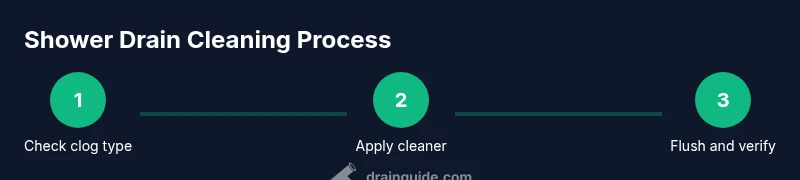
This section provides a high-level view of the process you’ll follow in the dedicated steps below. First, clear the area around the drain, gather PPE, and remove standing water as much as possible. Read the product label in full and confirm it’s suitable for your pipe material and clog type. Position towels to catch drips and ensure good ventilation. Open a window or run a fan to disperse fumes, especially when using strong chemical cleaners. If you’ve opted for an enzymatic product, remember that it works gradually and benefits from minimal agitation. In all cases, consider applying the cleaner when household activity is low to avoid exposure and ensure you have time to monitor the outcome. After applying the product, wait the recommended period, then flush the drain with hot water and observe whether flow improves. If the drain remains slow, you can reapply or switch to a mechanical approach, never exceeding the product’s stated maximum dosage. Finally, dispose of any leftover cleaner according to the label and clean the surrounding area.
Common mistakes to avoid when using drain cleaners
Common mistakes can undermine results and safety. Never mix cleaners with other cleaners, bleach, or ammonia—chemical reactions can release toxic gases. Do not use a drain cleaner as a substitute for addressing a serious clog evidenced by gurgling, receding water, or multiple drains backing up; such signs may indicate a sewer issue that requires professional help. Avoid prolonged contact times beyond the label’s maximum; this can degrade pipes or seals, especially in older homes. Skipping PPE or adequate ventilation increases the risk of skin and eye irritation or respiratory problems. Finally, never rely on a single treatment for persistent clogs; mechanical methods (like a snake) or professional assessment may be necessary, particularly for deep or wide hair accumulations.
Safety, disposal, and environmental considerations
Safety comes first when using drain cleaners for shower drains. Work in a well-ventilated area, wear protective gloves and goggles, and keep children and pets away during treatment. If you are treating a septic system or a home with a private sewer line, check the product’s compatibility and residue disposal guidelines; improper discharge can disrupt beneficial bacteria. After finishing, flush the system with plenty of water and store the cleaner according to label directions. Environmental impact matters: choose products with clear disposal guidance and consider enzymatic or less caustic options when feasible. Drain Guide highlights that responsible usage reduces chemical exposure and preserves home plumbing.
Prevention and ongoing maintenance for shower drains
Prevention is the best cure for stubborn clogs. Regular maintenance includes a weekly hot water flush, a monthly application of a safe enzymatic cleaner, and a routine hair management strategy—use a drain mesh or hair catcher to reduce hair entering the trap. Rinse soap scum and mineral build-up by using a mild cleaner and scrubbing the drain cover periodically. Avoid pouring grease or oil down the drain and keep a consistent maintenance schedule, especially in households with hard water. If your home has hard water or mineral-rich supply lines, you may experience gradual low flow; in that case, schedule a professional inspection to check the trap, venting, and pipe condition. The goal is to sustain airflow, trap cleanliness, and smooth flow, reducing the likelihood of emergency interventions.
Tools & Materials
- Protective gloves (chemical-resistant)(Nitrile or latex-free; long cuffs)
- Safety goggles(ANSI Z87.1 or equivalent)
- Drain cleaner for shower drain (enzymatic or chemical)(Choose according to clog type; read label)
- Old towels or rags(To catch drips and protect surrounding area)
- Bucket or container(Catches excess liquid and for rinsing)
- Ventilation (window fan or open window)(Keeps fumes from concentrating in the bathroom)
- Plunger or flange plunger(Optional mechanical assistance)
- Plumber's snake (auger)(Use for stubborn clogs if needed)
Steps
Estimated time: 60-90 minutes
- 1
Prepare the area and PPE
Put on PPE, lay down towels, and clear the shower space. Gather your cleaner, bucket, and tools. Remove any loose items from the drain area so you can work safely without tripping or splashing.
Tip: Do not skip PPE; chemical splashes can irritate skin or eyes. - 2
Read the cleaner label and plan
Read the product's instructions in full, noting the recommended wait time and whether it is safe for your pipe material. Confirm there are no contraindications with septic systems or other cleaners you own.
Tip: If unsure about pipe material, test a small amount on a hidden area or opt for enzymatic cleaner. - 3
Remove standing water
If possible, remove standing water from the shower using a cup, a small container, or a wet-dry vac. Clear water speeds the cleaner’s contact with the clog.
Tip: Water removal improves effectiveness and reduces splashing. - 4
Apply cleaner to the drain
Pour the cleaner slowly along the drain opening, aiming the product into the drain channel. Avoid splashing onto skin or surrounding surfaces and never mix with other cleaners.
Tip: Pour gradually to minimize splashes and keep product on target. - 5
Wait as directed
Let the cleaner sit for the label-specified duration. Many products require a waiting period to allow chemistry to work on organic buildup or hair.
Tip: Set a timer and avoid using the shower during waiting time. - 6
Flush the drain
Run hot water through the drain for 1–2 minutes to wash away loosened debris. Check if flow improves; if not, you may reapply or switch methods.
Tip: Use water at a safe temperature and avoid boiling water if the label warns against it. - 7
Assess and repeat if needed
Reassess drainage; if progress is limited, consider a mechanical method (plunger or snake) or repeat a lighter cleaner. Do not exceed product dosage or continue beyond recommended cycles.
Tip: Persistent clogs may indicate deeper pipe issues or sewer line problems. - 8
Store and clean up
Tightly seal the cleaner and store according to label directions. Wipe down the area, dispose of any disposable tools, and wash hands thoroughly.
Tip: Keep cleaners out of reach of children and pets.
Got Questions?
Is it safe to use chemical drain cleaners on a shower drain?
Yes, when used exactly as labeled and with proper PPE. Do not mix products and follow timing and disposal instructions. For repeated clogs or uncertain pipes, consult a professional.
Yes, but always follow the label, wear protection, and avoid mixing cleaners. If the clog persists, seek professional help.
Do enzyme-based cleaners work for hair clogs in the shower drain?
Enzymatic cleaners can help with organic buildup over time and are safer for regular maintenance, but hair clogs can be stubborn and may require longer treatment or mechanical clearing.
Enzymes can help with hair buildup, but they work slowly and may need patience or a mechanical assist for tough clogs.
Can using a drain cleaner damage PVC pipes?
Some strong cleaners can damage PVC if used incorrectly or left too long. Always follow the label, respect maximum exposure times, and avoid using harsh products on older piping.
Yes, some cleaners can harm PVC if misused. Follow the instructions and don’t exceed recommended times.
How often should I use a drain cleaner for maintenance?
Follow the product’s guidance and your clog pattern. Enzymatic cleaners are often suitable for monthly or quarterly maintenance; chemical cleaners are generally for occasional use when needed.
Check the label for timing, and match your maintenance plan to how often clogs occur.
What should I do if the cleaner doesn’t clear the clog?
Stop using that product, remove standing water, and consider mechanical methods like a snake or calling a plumber for deeper blockages.
If it doesn’t work, don’t retry the same approach repeatedly—try a mechanical method or get a pro.
Is venting necessary when using drain cleaners?
Yes. Ventilation helps disperse fumes and reduces irritation risks. Use a window or fan during treatment.
Ventilation is important to keep fumes away; use a fan or open window.
Can I use a drain cleaner for other drains like sinks or tubs?
Some products are designed for multiple drain types, but always read the label to confirm compatibility and avoid mixing with other cleaners.
Some cleaners work for several drains, but read the label first.
Watch Video
The Essentials
- Identify clog type before choosing a cleaner
- Follow label instructions precisely for safety and effectiveness
- Ventilate and wear PPE during treatment
- Prioritize enzymatic cleaners for maintenance; reserve stronger cleaners for tough clogs
- Prevent future clogs with hair catchers and regular maintenance