Drain Cleaners and a Clogged Toilet: A Practical DIY Guide
Learn safe, step-by-step methods to tackle a clogged toilet with drain cleaners and alternatives. This guide covers chemical choices, control measures, and prevention tips for future reliability.


Goal: safely address a clogged toilet using appropriate drain cleaners and alternative methods. You'll learn how to identify the type of clog, choose the right cleaner, apply it correctly, and avoid hazards. The guide also covers when to skip chemical cleaners, common mistakes, and maintenance tips to prevent future clogs.
Why drain cleaners clogged toilet matter for homeowners
When a toilet backs up, many homeowners reach for drain cleaners clogged toilet as a quick fix. These products are formulated to dissolve organic blockages, grease, hair, and paper products that can form a clog. According to Drain Guide, choosing the right cleaner and using it safely can prevent pipe damage and protect septic systems. However, chemical cleaners aren't a magic solution for every clog. The effectiveness depends on clog type, water level, and plumbing configuration. In some cases, mechanical methods (plunger, auger) are more reliable and safer, especially in households with septic tanks or older pipes. The goal is to diagnose the clog correctly and use the least invasive method that works, to minimize risk and protect your plumbing.
Types of drain cleaners: chemical, enzymatic, and mechanical
Drain cleaners come in three broad families. Chemical cleaners (acidic or caustic) dissolve organic matter quickly but can corrode pipes, damage seals, or harm septic systems if used improperly. Enzymatic cleaners rely on beneficial bacteria to digest waste over time; they’re gentler and good for regular maintenance but usually not instant fixes. Mechanical solutions, like a plunger or a toilet auger, physically dislodge or retrieve the blockage and are often the safest first step, especially for toilets that are part of a septic system.
Safety considerations and precautions
Chemicals used to clear toilets can pose splash, inhalation, and chemical reaction risks. Always wear protective gloves and eye protection, work in a well-ventilated area, and keep children and pets away during treatment. Never mix different cleaners, especially products containing bleach and acids, as dangerous gases can form. If you have a septic system, consider using enzymatic cleaners or mechanical methods first, and avoid harsh caustics that could disrupt the septic microflora.
When to opt for chemical cleaners vs mechanical methods
For slow drainage with clear evidence of a soft, organic blockage (hair, toilet paper), a planned use of a cleaner can help, but mechanical methods are often faster and safer. If the bowl refills slowly after a plunger attempt, or you can’t reach the obstruction, a chemical cleaner may be appropriate as a last resort. If you suspect a sewer line problem, or if your plumbing is older or metal pipes, prioritize mechanical methods and professional advice to reduce the risk of damage.
Step-by-step approach to using drain cleaners clogged toilet safely
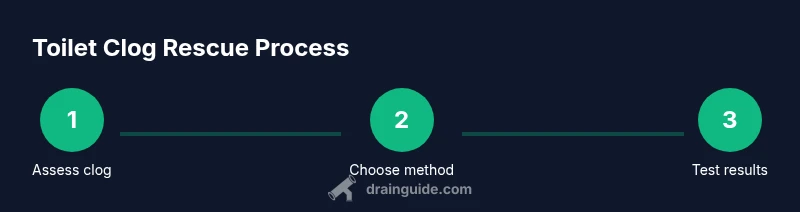
This section outlines the practical sequence: prepare, choose, apply, and verify. Each action aims to minimize risk while maximizing the chance of clearing the clog. You’ll find clear, actionable steps below that you can follow in a single bathroom session.
Alternatives if chemical cleaners are not appropriate
If you’re hesitant about chemical cleaners, start with a plunger, then try a toilet auger. For stubborn clogs, a combination of mechanical methods and patience often yields results without exposing your plumbing to harsh chemicals. Enzymatic cleaners can be used as a maintenance measure after you clear the blockage to slow future buildup.
Prevention and maintenance to reduce future clogs
A proactive approach reduces frequency of clogs. Regularly avoid flushing non-degradable items, use less toilet paper in one flush, and treat the drain with enzymatic cleaners for routine maintenance. Periodic inspection of the wax ring and seals, along with prompt repair of any leaks, can also prevent cascading drainage problems.
Authority sources
External guidance from government and university sources can help you evaluate safety considerations and best practices. For chemical safety and household product guidance, see the U.S. EPA and CDC resources, along with university extension materials.
Tools & Materials
- Rubber gloves(Protect hands from chemicals and debris; choose size that fits snugly)
- Safety goggles(Protect eyes from splashes; ensure a secure seal)
- Plunger (cup or flange)(Use a flange plunger for a better seal)
- Toilet auger (toilet snake)(Extendable to reach the trap; avoid forcing)
- Bucket or container(Catch water and spills; helps keep area clean)
- Measuring cup(If using chemical cleaners, measure as directed on label)
- Towels or old rags(Protect floor and absorb spills)
Steps
Estimated time: 45-60 minutes
- 1
Assess the clog and prepare the workspace
Begin by observing the bowl water level, noises, and whether the toilet drains or backs up. This helps identify clog type and informs your next move. Note any unusual smells or signs of sewer backup. Prepare the area with towels and set aside cleaning supplies for quick access, so you’re ready to act promptly.
Tip: Take a quick photo or note details for future reference. - 2
Shut off the water supply and remove standing water
Turn off the toilet's fill valve to prevent more water from entering the bowl. If there’s already water, use a disposable cup or sponge to remove as much as you can safely. Clearing the standing water reduces splash risk and allows cleaners or tools to work more effectively.
Tip: Keep a dedicated towel for any splashes; avoid sliding tools across wet surfaces. - 3
Read the cleaner’s label and choose the appropriate product
Inspect the product label for active ingredients, compatibility with your plumbing, and recommended wait times. For septic systems, consider enzymatic cleaners or mechanical methods first. Follow all safety warnings and never mix products.
Tip: Label guidance determines whether you’ll wait before flushing and how much cleaner to use. - 4
Apply cleaner to the bowl as directed
Pour the cleaner slowly into the bowl along the water line, avoiding splashes to eyes or skin. Use only the amount specified by the label, and never mix cleaners with other household chemicals. Allow the cleaner to work for the recommended duration before testing.
Tip: Do not exceed the recommended wait time; overstaying can damage pipes. - 5
Use the plunger with correct technique
Place the plunger to seal the drain and push firmly with short, controlled thrusts. Maintain a good seal and avoid over-pushing to prevent overflow. After several cycles, check whether the water level drops and flush the bowl to test clearance.
Tip: A proper seal significantly improves suction; adjust as needed. - 6
Try a toilet auger if the clog remains
Insert the auger slowly into the bowl and crank gently until you feel resistance. Retract slowly to pull or break up the blockage. If you can retrieve material, remove it and dispose; avoid forcing the line.
Tip: Avoid cranking too hard to protect the toilet and pipes. - 7
Test flush and clean up afterward
Restore the water supply, flush slowly to confirm clearance, and observe the flow. If the flush remains weak, repeat steps or call a plumber. Clean and sanitize tools and wipe down the area after the job.
Tip: Disinfect tools to prevent cross-contamination.
Got Questions?
What is the safest way to clear a clogged toilet using drain cleaners?
Start with mechanical methods like a plunger before using cleaners. If you must use a chemical, choose a product appropriate for toilets and follow the label exactly.
Begin with the plunger, then use a toilet cleaner only if needed, following the label.
Can I use a chemical drain cleaner if the toilet is connected to a septic system?
Enzymatic cleaners are generally safer for septic systems, but they still may not fix every clog. Avoid harsh caustics that can disrupt septic bacteria.
Enzymatic cleaners can be safer for septic systems, but use them as directed.
What should I do if the clog returns after treating it?
Stop applying more cleaners and switch to mechanical methods; consider calling a plumber for persistent clogs or suspected sewer issues.
If it returns, avoid repeated chemical use and call a plumber if needed.
Are enzymatic cleaners effective for toilets?
They work gradually on organic buildup and are safer for routine maintenance, but they are unlikely to clear a stubborn, solid clog immediately.
Enzymatic cleaners work over time and are safer for maintenance.
Is it safe to mix drain cleaners with other cleaners?
No. Mixing cleaners can create dangerous gases or chemical reactions; only use one product at a time and follow the label.
Don’t mix cleaners; use one product and follow the directions.
When should I call a plumber?
If the toilet won’t drain after multiple attempts, or you notice sewer smells, gurgling, or backing up into other fixtures, contact a licensed plumber.
Call a plumber if it won’t clear after several attempts or you smell sewer gas.
Watch Video
The Essentials
- Assess the clog type before applying cleaners.
- Do not mix cleaners; prioritize safety and label directions.
- Mechanical methods often resolve common clogs faster than chemicals.
- Septic systems demand cautious cleaner choices and maintenance.
- Post-cleanup maintenance reduces future clogs.