Drain Cover Outside: Installation, Maintenance, and Safety
Learn how to select, install, and maintain a drain cover outside to keep outdoor drains clear, prevent debris buildup, and protect your family. A practical, step-by-step guide for DIY homeowners by Drain Guide.


Installing and maintaining a drain cover outside helps protect outdoor drains from leaves, dirt, and pests while reducing slip hazards near walkways. This guide walks DIY homeowners through choosing the right cover, sizing it correctly, and securing it to withstand weather. You’ll need basic tools, gloves, and a cover sized for your drain opening.
Why a drain cover outside matters
A drain cover outside serves several practical roles. It blocks leaves, dirt, and small debris from slipping into the grate, which can cause clogs and slow drainage during storms. By reducing debris entry, outdoor drains stay clearer and stormwater flows freely, helping prevent standing water near entryways and reducing slippery surfaces in wet weather. For homeowners, a properly chosen cover also improves curb appeal by matching your exterior style.
According to Drain Guide Team, many outdoor drains are exposed to harsh weather and seasonal debris. A cover sized to the opening and made from durable material can extend the life of the drain and minimize maintenance. A well-fitting cover with a weatherproof frame reduces the risk of pests entering the drainage system and lowers the chance of accidental tripping over a loose grate. When selecting a cover, consider the local climate and the level of foot traffic in the area; in high-traffic zones, a heavier, more secure cover is worth the extra effort. Drain Guide Team recommends prioritizing safety and reliability, not just appearance.
Outdoor drain cover materials and styles
Outdoor drain covers come in a variety of materials and designs to suit different climates, loads, and aesthetics. Metal covers, such as galvanized steel or stainless steel, excel in longevity and load-bearing capacity but may require periodic anti-corrosion care. Cast iron offers strength but can be heavy and susceptible to rust in humid environments. Plastic and composite covers are lightweight and resistant to corrosion, yet quality matters—look for UV stability and weather-resistant fasteners to prevent cracking under sun and freezing cycles. Grate patterns influence debris capture and slip resistance; finer perforations prevent small pests from entering but may clog more easily in pine needle-heavy areas. When choosing a style, align the finish with your home’s exterior and verify the cover mounting is compatible with your existing frame or mounting hardware. As Drain Guide notes, the best outdoor drain cover balances durability, safety, and ease of maintenance.
Sizing, compatibility, and installation basics
Correct sizing is essential for outdoor drain covers to create a tight seal and prevent debris intrusion. Start by measuring the opening’s diameter or width, then select a cover that either matches exactly or provides a slightly larger, flush-fit frame. If the opening is irregular, choose a cover with adjustable mounting clips or a customizable frame. Compatibility matters: ensure the mounting surface is flat, free of loose concrete chips, and capable of supporting the cover’s weight. Weatherproof screws or bolts and corrosion-resistant hardware extend life in wet environments. Before mounting, clean the surface, dry it thoroughly, and consider a thin bead of silicone sealant to seal gaps between the frame and substrate. Drain Guide Team emphasizes safety and proper fit to maintain drainage efficiency under harsh weather.
Note: Always check local codes or HOA rules before modifying outdoor drainage components, as some jurisdictions require approved products or professional installation for certain curbside or sidewalk drains.
Maintenance and safety for outdoor drain covers
Maintenance is the best way to ensure a drain cover outside continues to perform. Regularly remove leaves and sediment from the grate, rinse with a hose, and inspect for cracks, corrosion, or loose fasteners. If you notice rust or bending, replace parts promptly to prevent failure during heavy rain. Anti-slip surfaces are important near entrances and walkways; if a cover becomes slippery when wet, consider reapplying a non-slip coating or replacing with a grater designed for reduced slip. Always wear gloves and eye protection when handling metal edges, and disconnect power tools when working near water sources to avoid hazards. Drain Guide Team recommends scheduling seasonal inspections, especially after storms or freeze-thaw cycles, to catch wear before it worsens.
Troubleshooting common issues with outdoor drain covers
Common problems include loose covers, persistent clogs near the edge of the grate, and covers that sit unevenly. Start by tightening mounting screws to remove wobble, then verify the frame sits flush against the mounting surface. If clogs recur, assess the grate’s hole size and clear any accumulated debris that could create a trap, replacing the cover if necessary. For ongoing water pooling, check for upstream blockages or misalignment with the drain pipe; a misfit can redirect flow away from the opening. In regions with heavy rainfall, investing in a heavier, more rigid cover reduces the risk of displacement during storms. Drain Guide Team suggests keeping a small maintenance toolkit handy for quick fixes and keeping drain paths clear for optimal drainage.
Tools & Materials
- Measuring tape(For measuring drain opening diameter or width)
- Spirit level(Ensure cover sits flush with surface)
- Screwdriver or drill(Phillips head or driver compatible with screws)
- Exterior-rated screws or mounting hardware(Corrosion-resistant, appropriate length)
- Outdoor drain cover compatible with opening(Select cover designed for exterior use)
- Silicone sealant or weatherproof caulk(Optional to seal gaps around frame)
- Gloves(Protect hands during installation)
Steps
Estimated time: 30-60 minutes
- 1
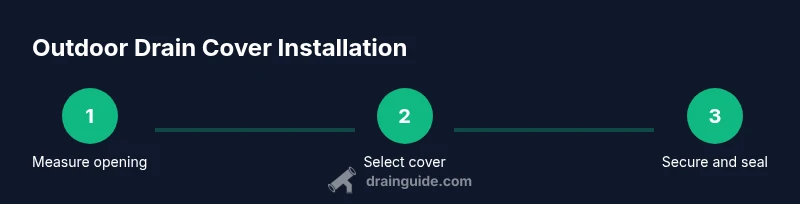
Measure opening
Use a measuring tape to determine the drain opening diameter or width. Record precise measurements for selecting a cover that fits tightly without gaps. If openings are irregular, measure the smallest dimension to guide your selection.
Tip: Double-check measurements from multiple angles to account for any irregularity. - 2
Select cover and frame
Choose a cover that matches the measured opening and complements your exterior finish. Verify frame compatibility with mounting hardware and weather exposure. Consider a raised lip design to aid debris prevention.
Tip: Prefer heavier-duty covers for high-traffic areas and freeze-thaw regions. - 3
Prepare mounting surface
Clean the mounting area, remove loose debris, and dry the surface. If uneven, plan to use shims or a thin leveling layer to seat the frame flush.
Tip: A flat, clean surface yields a better seal and reduces wobble. - 4
Mount the cover securely
Position the cover over the drain, align holes, and drive in exterior-rated screws evenly without overtightening.
Tip: Use a cordless drill with low torque to avoid stripping holes. - 5
Seal gaps and test drainage
If needed, apply a thin bead of silicone around the frame. Run water to confirm clearance and absence of pooling near the cover.
Tip: Allow sealant to cure as directed before exposure to heavy rain. - 6
Inspect and maintain
Check for looseness, cracks, or corrosion during seasonal checks; clean debris regularly to maintain flow.
Tip: Schedule quarterly checks in areas with heavy leaf fall.
Got Questions?
What size outdoor drain cover do I need?
Measure the drain opening precisely and select a cover that fits tightly. If the opening is irregular, opt for a cover with adjustable mounting options or consult the manufacturer specifications.
Measure the opening accurately and choose a cover that fits snugly; for irregular openings, look for adjustable options or consult the product specs.
Can I install a drain cover outside myself?
Yes. With basic tools and exterior-rated hardware, most homeowners can install an outdoor drain cover. Follow the manufacturer’s mounting instructions and ensure the surface is clean and level.
Yes, with basic tools and proper hardware. Follow the instructions and keep the surface level and clean.
Should I seal around the cover?
Sealing is optional but beneficial in areas with heavy rain or freeze-thaw cycles. Apply a thin bead of silicone and allow it to cure before heavy use.
Sealing is optional but helpful in wet or freezing climates. Let it cure fully before use.
What materials last the longest outdoors?
Materials with corrosion resistance and UV stability, such as galvanized or stainless steel and certain high-quality plastics, typically last longer in outdoor conditions.
Corrosion-resistant metals and UV-stable plastics tend to last longest outside.
What safety tips should I follow?
Wear gloves, eye protection, and keep children away during installation. Power tools should be off and dry, and the area should be dry to avoid slips.
Wear protective gear, keep others away during installation, and work with dry surfaces.
How often should I inspect the outdoor drain cover?
Inspect seasonally and after major storms. Look for looseness, cracks, or rust and replace components as needed to maintain proper drainage.
Check it seasonally and after storms, looking for wear and looseness.
Watch Video
The Essentials
- Measure accurately before purchasing
- Choose durable, weather-resistant materials
- Secure the cover properly to prevent movement
- Seal gaps if required and test drainage
- Plan regular maintenance and inspections