Drain Repair: A Practical DIY Guide for Homeowners
Learn how to diagnose and fix common drain issues with safe, practical steps. This Drain Guide tutorial covers clogs, leaks, and maintenance to save time and prevent water damage.


By the end of this guide, you’ll confidently diagnose and perform common drain repairs around the home. You’ll identify symptoms, choose a safe method, gather basic tools, and follow a step-by-step plan to clear clogs, reseal joints, and address minor leaks. For tougher jobs, you’ll know when to call a licensed plumber. Safety and prevention tips help protect your plumbing long-term.
What is drain repair and why it matters
Drain repair is the process of fixing problems in your home's drainage system that block, leak, or slow water flow. It covers clogs, leaks, faulty seals, and damaged traps. Effective drain repair helps prevent water damage, reduces odors, and keeps plumbing functioning smoothly. According to Drain Guide, addressing issues early protects your investment and avoids costly emergencies. This guide focuses on safe, practical DIY strategies you can perform with common tools, plus when to call a professional for more complex failures.
For homeowners, learning drain repair builds confidence and reduces dependence on reactive service calls. The key is understanding symptoms, selecting the right approach, and following a step-by-step plan that minimizes mess and risk.
Common causes of clogged drains
Clogs form when hair, soap scum, food particles, and mineral buildup accumulate over time. Kitchen drains are prone to grease and food debris, while bathroom drains attract hair and personal-care products. Foreign objects can also cause blockages. Pipe aging and deep tree root intrusion may create hidden obstructions. Recognizing the root cause helps you choose the safest and most effective repair method. Drain Guide notes that prevention is often easier than cure, so regular maintenance should be part of your home routine.
Safety first: hazards and precautions
Always wear gloves and safety glasses when working on drains. Keep the area well ventilated and avoid mixing chemical cleaners with other products. Electrical appliances should be kept away from wet areas to prevent shocks. Never force tools into pipes; forcing can crack fittings or push debris deeper. If you suspect a damaged pipe or sewer line, stop and call a professional. Quick, cautious steps reduce the risk of injury and property damage.
Tools and materials you’ll need (overview)
Before you start, gather a basic kit: a plunger, a hand auger (drain snake), adjustable wrench, flashlight, bucket, towels, rubber gloves, and safety glasses. A mild cleaning solution or silicone sealant can be useful for temporary fixes. Keep a digital camera or phone handy to document the process for future reference. Having the right tools on hand reduces the likelihood of improvisation that could worsen the problem.
Choosing the right repair approach: mechanical vs chemical
Mechanical methods—plunging, snaking, and removing traps—are often safer and more effective for most DIY issues. Chemical cleaners should be used sparingly and only as a last resort, since they can corrode pipes and vent systems and create hazardous fumes. If a problem recurs after a DIY fix, reassess whether the clog is superficial or indicates deeper piping problems. Drain Guide recommends starting with mechanical approaches and escalating only when necessary.
Before you begin: assessing your setup
Identify the fixture affected (sink, tub, shower, or toilet) and check for multiple slow drains to determine if the issue is local or plumbing-wide. Examine accessible traps for signs of damage or leakage. Take photos and notes to track each step. This prep helps you avoid repeating work and spot vulnerable joints that may need resealing later.
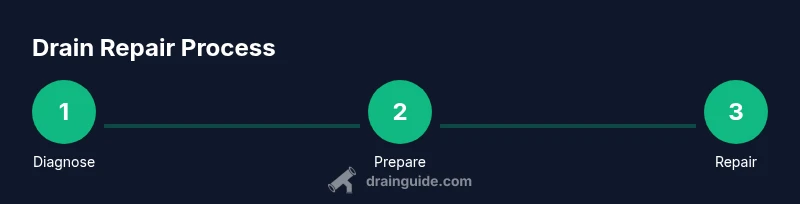
Step-by-step overview before you start
Having a plan reduces guesswork. Start with the simplest method (plunge) and move toward more involved tasks (snake, trap inspection). Keep a tidy work area and a clean towel to catch spills. Remember to test after each repair to verify that the drain is flowing freely and that no leaks appear.
Clearing a clog with a plunger or hand auger
For sinks and tubs, a flange or cup plunger creates the best seal. Position over the drain opening and apply firm, consistent pressure to dislodge the clog. If plunging doesn’t work, switch to a hand auger and feed it into the drain while rotating the handle to break up debris. Retrieve the snake slowly to avoid pushing debris further into the pipe.
Fixing leaks and resealing joints
If you detect a leak, inspect the P-trap and supply lines. Tighten connections with the adjustable wrench, taking care not to overtighten and crack fittings. For stubborn leaks, clean threads and apply plumber’s tape before reassembling. After repairs, run water for several minutes to test seals and watch for any drips.
When to pull a trap and inspect
If clogs persist or odors linger, remove the P-trap under the fixture. Clear trapped debris, rinse the trap with water, and reinstall with new washers if needed. A clean trap improves flow and reduces the chance of future clogs. If removal seems difficult, pause and seek guidance to avoid damaging the pipe.
Prevention and maintenance to extend drain life
Regularly flush drains with hot water and a small amount of baking soda followed by vinegar (do not mix with caustic cleaners). Use sink strainers to catch large debris, and avoid pouring grease down disposals or drains. Schedule seasonal inspections of exposed pipes to catch corrosion early. A proactive routine saves headaches and money over time.
Final checklist before you finish
Confirm that all access panels are secure, tools are cleaned, and the area is dry. Re-test each fixture to ensure full drainage and no leaks. Document the repairs with photos for future reference. If any step feels unclear, pause and consult a professional to avoid introducing risk into your system.
Tools & Materials
- rubber gloves(Essential for hygiene and protection from dirty water.)
- safety goggles(Protect eyes from splashes and debris.)
- plunger (cup or flange)(Choose appropriate type for the fixture.)
- hand auger / drain snake(3-6 ft length recommended for most residential drains.)
- bucket(Catch water and debris during repairs.)
- towels or rags(Keep area clean and prevent slips.)
- adjustable wrench(Loosen or tighten fittings under sinks.)
- plumber's tape(Seal threads if resealing joints.)
- flashlight/headlamp(Improve visibility in tight spaces.)
- silicone sealant or epoxy putty(Temporary seal for small leaks if needed.)
Steps
Estimated time: 60-90 minutes
- 1
Identify the problem and area
Observe symptoms, note affected fixtures, and photograph the area. This helps determine whether the issue is local or systemic and guides your repair strategy.
Tip: Document the exact symptoms before starting to avoid missing details. - 2
Shut off water and prep space
If working under a sink or with a shutoff valve, briefly shut the water supply. Place a bucket and towels to catch any spills and keep the workspace organized.
Tip: A clean workspace prevents slips and reduces mess. - 3
Choose your method
Start with the simplest method (plunging) before moving to a snake or trap inspection. Escalate only if the clog persists or leaks are present.
Tip: If you’re unsure, begin with mechanical methods rather than chemicals. - 4
Clear the clog with a plunger
Use a proper seal and apply controlled, steady pressure. If the clog remains, switch to a drain snake and rotate to break up debris.
Tip: Maintain a firm seal to maximize suction and avoid splashing. - 5
Use a drain snake
Feed the snake into the drain while turning slowly. When you feel resistance, rotate and push until the blockage clears. Retrieve debris gradually.
Tip: Do not force the snake through if it meets solid resistance; reassess to avoid pipe damage. - 6
Inspect and clean the trap
Under-sink traps can collect debris. Remove the trap, clean it, rinse, and reinstall with new washers if worn.
Tip: Inspect for cracks and replace if corroded. - 7
Seal joints and leaks
Tighten fittings carefully and apply plumber’s tape where needed. Reassemble and test for leaks before finishing the job.
Tip: Over-tightening can crack fittings; snug is enough. - 8
Test and finalize
Run water to verify flow and check for leaks. Clean up tools and document the repair for future reference.
Tip: Take a final photo so you remember the setup.
Got Questions?
What is drain repair and when is it necessary?
Drain repair fixes clogs, leaks, and seal failures in drain lines to restore flow and prevent water damage. It’s often DIY for simple issues, but some problems require a professional. Knowing when to escalate helps protect your plumbing.
Drain repair fixes clogs, leaks, and seals to restore flow and prevent damage.
Should I DIY drain repairs or hire a professional?
DIY is suitable for simple clogs and leaks with basic tools. Persistent clogs, multiple fixtures, or suspected pipe damage should be handled by a licensed plumber to avoid bigger problems.
DIY for simple issues; call a pro for complex problems.
Can chemical drain cleaners be used safely?
Chemical cleaners can damage pipes and create hazardous fumes. Use mechanical methods first and limit chemical use to labeled, short-duration applications if necessary.
Chemicals can harm pipes and should be used with caution, if at all.
What are the typical costs of drain repairs?
Costs vary by issue and region. DIY supplies are cheaper for minor fixes, while professional estimates apply for more involved repairs.
Costs vary; DIY is cheaper for minor issues, professionals for bigger ones.
How long does a DIY drain repair take?
A simple clog repair can take under an hour; more involved tasks may take 1–2 hours. If deeper issues are found, allocate extra time.
Simple fixes are quick; bigger problems take longer.
What safety precautions should I follow during drain repairs?
Wear gloves and eye protection; work in a well-ventilated area; keep electrical devices away from water; avoid mixing cleaners and forcing pipes.
Safety first: gloves, goggles, and ventilation are essential.
Is it ever safe to reuse traps and seals?
Inspect traps and seals for damage. Replace worn parts rather than reusing them, as degraded components can cause leaks and odors.
Don’t reuse damaged traps; replace worn parts to stay leak-free.
What should I do if the clog returns after repair?
If clogs recur, reassess for deeper blockages or pipe damage. Consider a professional inspection to confirm the issue and plan next steps.
If it comes back, check deeper causes and get a proper inspection.
Watch Video
The Essentials
- Diagnose before acting to choose the correct method.
- Start with mechanical fixes, avoid chemicals when possible.
- Test thoroughly after each repair for leaks and flow.
- Wear safety gear and maintain a clean workspace.
- Regular maintenance prevents future clogs and emergencies.