Drain with No Overflow: A DIY Guide for Homeowners
Learn how to prevent drain overflow with a practical, step-by-step approach. Inspect traps, vents, and connections; adopt safe maintenance routines; and know when to call a pro for long-lasting results.


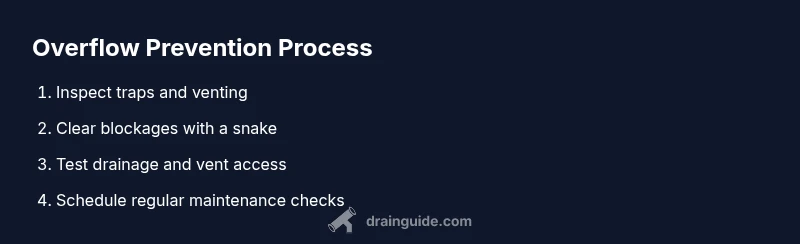
By the end of this guide you will learn how to prevent a drain from overflowing during normal use. You'll inspect venting, trap seals, and drainage paths; verify appliance connections; and perform a simple maintenance routine that reduces overflow risk. Gather basic tools and schedule routine checks with Drain Guide's practical method.
Understanding the goal: drain with no overflow
A drain that functions without overflow means your sink, tub, or shower drains at normal speed without water backing up into the basin or onto the floor. In many homes, overflow is prevented by a water-filled trap and a vent system that balances air and water flow. According to Drain Guide, managing these elements starts with a simple, repeatable maintenance routine. This article helps homeowners understand the mechanics, spot early warning signs, and adopt practical habits to keep drains steady. By focusing on vent integrity, trap seals, and clean drainage paths, you reduce the risk of backups during busy mornings or party-cleanups.
Key concepts to remember: (1) Traps hold a small amount of water to block sewer gases and stabilize flow; (2) Vents allow air in to prevent suction that could slow drainage or siphon traps; (3) Clean, direct drainage paths minimize the chance of buildup that leads to overflow.
Common overflow causes and diagnostics
Overflow occurs when a clog, mis-vent, or improper connection slows drainage enough that water accumulates faster than it can leave. The most common culprits are a blocked P-trap, a clogged vent stack, or a sewer-line issue that creates backpressure. Appliances like dishwashers or garbage disposals can also contribute if their hoses aren’t correctly vented or connected. Regular checks give you a snapshot of health: listen for gurgles, watch for slow draining, and note any recurring backups. Drain Guide emphasizes that diagnosing overflow begins with a baseline inspection and careful testing of each segment of the drainage path.
At a minimum, test sequence should include: (a) check each trap for standing water and leaks; (b) observe the drain during a rapid discharge event (like running water into the sink) to see if a backup occurs; (c) inspect visible pipes for cracks or disconnections. If you notice persistent backups, it may indicate a more distant blockage or vent problem that needs targeted attention.
How venting and traps work (and why they fail occasionally)
Plumbing traps hold a small amount of water to prevent sewer gases from entering living spaces. The vent system, through the roof, introduces air when water moves, preventing suction that could pull water out of traps. When a vent becomes blocked or a trap dries out due to evaporation or leaks, the chances of overflow rise. Debris, hair, grease, or mineral buildup can impair flow in traps and pipes, creating bottlenecks that show up as slow drainage or gurgling.
To minimize risk: ensure traps are sealed and not dried out, keep vent openings free of debris, and avoid pouring fats or oils down the drain. Drain Guide recommends periodic vent inspection—especially in kitchens and laundry areas—to maintain a reliable drainage system.
Everyday prevention and maintenance routines
Consistency matters more than dramatic one-off fixes. Build a simple maintenance habit: once a month, inspect all visible traps and connections under sinks, wipe away mineral buildup, and ensure there are no leaks. Use a hair catcher on bathroom sinks and shower drains to reduce clogs. For safe clearing, avoid harsh chemical cleaners that can damage pipes over time; instead, use mechanical methods (plunger or snake) for blockages and flush with hot water and a bit of baking soda to keep things moving. When you pour grease or oil down a drain, run cold water to carry it through rather than letting it settle in the trap. Drain Guide’s approach emphasizes preventive maintenance as the best defense against overflow.
Handling clogs and temporary fixes safely
If you encounter a stubborn clog, start with a plunger designed for the fixture type (cup for sinks, flange for toilets). If that fails, a hand-cranked snake can reach deeper into the pipe to break up material. Always wear gloves and eye protection, and never mix chemical cleaners with mechanical tools. Turn off water supplies to affected fixtures if you detect slow drainage across multiple outlets, as this can signal a more serious blockage. After clearing a clog, flush the system with plenty of water and a small amount of baking soda to help neutralize odors and reduce future buildup.
When to call a professional and safety reminders
Not every overflow problem is a DIY fix. If multiple fixtures drain slowly, you notice sewage odors, or the problem recurs after you clear a clog, it’s time to contact a licensed plumber. Electrical or gas safety should be considered if work involves the vent stack or gas appliances near the drain. Always prioritize safety: shut off water supply before major work, avoid forcing strong cleaners through sealed pipes, and document any changes you make so a professional can diagnose effectively. Drain Guide recommends professional assessment when you suspect sewer-line or main-stack issues.
Authoritative sources
- EPA: https://www.epa.gov
- Extension services (university-based): https://extension.illinois.edu
- CDC safety guidance: https://www.cdc.gov
Real-world scenarios and quick-reference checklists
Use this quick-reference checklist to gauge overflow risk in everyday situations:
- Check for gurgling sounds during draining
- Inspect traps for leaks and dryness
- Ensure vent stacks are unobstructed
- Keep hair out of bathroom drains with screens
- Avoid pouring grease down kitchen drains
If any warning signs appear, pause usage and perform the diagnostic steps above, then decide on professional help if needed.
Tools & Materials
- Plunger (cup or flange)(Versatile for sink and tub clogs)
- Drain snake or auger(Hand-crank 3-6 ft)
- Plumber's bucket(2-3 gallon)
- Flashlight(To inspect traps and vent connections)
- Adjustable wrench(For fittings under sinks)
- Safety gloves(Protect hands; consider eye protection)
- Vinegar and baking soda(Natural cleaners for maintenance)
- Rags or towels(Clean spills and wipe surfaces)
- Dishwasher air gap or fixture hose kit(Needed if you connect dishwasher drain)
Steps
Estimated time: 45-60 minutes
- 1
Inspect the trap and clean debris
Place a bucket under the trap. Detach the U- or P-trap carefully and remove standing water. Clear hair, soap scum, and other blockages with a small brush. Reassemble and run water to check for leaks. This step validates the trap’s seal and reveals any hidden debris.
Tip: Have towels ready for spills and wear gloves. - 2
Test the trap seal and water level
Pour a few cups of water into the drain to observe if the trap refills properly and holds water. If the trap dries quickly, there may be a leak or evaporation issue; address any slow leaks before proceeding.
Tip: A dry or weak seal invites sewer gases and can contribute to backflow. - 3
Check venting accessibility
Locate the vent stack (usually on the roof) or access point under a sink. Look for obvious blockages like leaves or debris. If you’re comfortable, use a flashlight to inspect the interior pipe near the vent and note any dampness or unusual buildup.
Tip: Never insert objects into a roof vent without proper safety gear. - 4
Clear the drain with a snake
Insert the snake into the drain and rotate gently as you push forward. When you feel resistance, pull back a few inches and repeat. This helps break up blockages that trap water and cause backups.
Tip: Avoid forcing the snake; abrupt jerks can damage pipes. - 5
Flush and test drainage
Run hot water with a small amount of baking soda to flush the system. Observe how quickly water drains and whether any gurgling remains. If flow improves, you’ve likely cleared a partial obstruction.
Tip: Use baking soda and hot water in moderation; avoid boiling water on plastic pipes. - 6
Evaluate preventive measures
Consider installing a backwater valve or trap primer if you consistently see backups. Reassess your drain setup for grease sources, and add screens to catch hair and debris. Document maintenance tasks for future reference.
Tip: A backwater valve is a long-term investment worth discussing with a pro.
Got Questions?
What causes a drain to overflow even when it seems clear?
Overflow can result from a hidden vent blockage, a degraded trap seal, or a distant main-line clog that creates backpressure. Regular inspections help catch these issues early before backups occur.
Overflow can be caused by vent blockages, worn trap seals, or distant clogs; regular checks help catch these early.
Do I need a professional for overflow problems?
Not all overflow issues require a plumber. Start with traps, vents, and accessible connections. If problems persist across multiple fixtures or involve the main sewer line, call a licensed professional.
You can start with traps and vents, but call a pro if the problem lasts or involves the main sewer line.
Can chemical drain cleaners prevent overflow?
Chemical cleaners can damage pipes and often provide only a temporary fix. Prefer mechanical methods and preventive maintenance for long-term reliability.
Chemicals can harm pipes and aren't a lasting solution; use mechanical methods and prevention instead.
How often should I inspect vents and traps?
Inspect traps and vents at least once a season, or more often in busy homes. Look for leaks, dryness, and signs of slow drainage.
Inspect traps and vents every season, especially if you have heavy use.
Is a backwater valve worth installing?
A backwater valve can prevent sewer backups by blocking reverse flow. It’s a smart option for homes with low drainage capacity or frequent flooding risk, but installation should be done by a professional.
A backwater valve helps prevent backflow and is worth it for risk-prone homes when installed by a pro.
Watch Video
The Essentials
- Identify main overflow causes and address them early
- Maintain traps and venting to prevent backups
- Prefer mechanical clearing and preventive upkeep over chemical cleaners
- Call a professional for sewer-line concerns or repeated issues