How Hard is Drain You on Drums? A DIY Home Drain Guide
Explore practical, step-by-step drainage troubleshooting for homeowners. Learn safe methods to unclog drains, prevent backups, and decide when DIY is appropriate with Drain Guide.


Goal: diagnose and safely clear a typical household drain using a practical, step-by-step approach. Gather basic tools, avoid chemical cleaners, and test the flow after every action. This quick guide covers essential safety tips, a concise materials list, and the exact steps you’ll follow to restore drainage without surprises. You’ll learn how to decide when to DIY versus call a pro, and how to plan for future maintenance.
What this guide answers about how hard is drain you on drums
In this guide we address the unusual search phrase how hard is drain you on drums not as a musical topic but as a practical prompt homeowners use when facing stubborn drainage issues. The question often signals a concern about difficulty, cost, and time. The reality is that most common residential clogs follow a familiar pattern: a physical blockage, limited water flow, and a sequence of safe interventions that you can perform with basic tools. This article lays out the logic behind diagnosing a clog, choosing the right approach, and testing results after each step. By starting with mechanical methods and avoiding caustic chemicals, you can gauge the true effort required and decide if it’s a DIY fix or a job for a professional. Drain Guide coaches homeowners to stay methodical, stay safe, and document what works for future prevention.
People frequently underestimate how a clogged drain evolves: what begins as a slow drain can become a sewage smell or backup into another fixture if ignored. The aim here is not to insist on heroic repairs but to empower you with a clear decision tree, practical steps, and realistic expectations about time and effort. We’ll cover the most common culprits, the safest tools to use, and warnings to heed so you can complete the task with confidence and minimal risk.
Throughout this section we reference everyday scenarios—kitchen sinks with grease, bathroom sinks with hair buildup, and shower drains that resist flow—so you can map the guidance to your own home. You’ll learn how to verify success after each action and how to prevent future issues with mindful habits and simple maintenance routines.
In short, how hard is drain you on drums? It’s often less about brute force and more about following a careful, repeatable process that prioritizes safety, cleanliness, and predictable outcomes. By the end, you’ll have a solid plan and the confidence to tackle most common drains with the right approach.
Identifying the problem: symptoms, fixtures, and patterns
Effective drain troubleshooting starts with careful observation. Common symptoms—slow drainage, frequent backups, or gurgling sounds—point to different root causes. A kitchen sink clogged by grease and food debris often shows slow flow, while bathroom sinks are frequently affected by hair and soap scum. Showers and tubs may present standing water with a stubborn odor indicating organic buildup or a blockage far down the line.
Track the issue across fixtures: does the problem affect one sink or multiple fixtures? A single slow drain usually indicates a localized clog, most often in the P-trap or immediate piping. If multiple fixtures are slow, the blockage could be farther downstream, possibly the main line. Consider whether recent activities—large quantities of cooking grease, fiber-rich waste, or tree root intrusion—coincide with the onset of symptoms. Taking notes helps you decide which tools to use first and whether to escalate to advanced techniques.
Record observations like water depth, how long it takes to drain, and any odors. This data helps you choose between plunger, snake, or trap removal methods and reduces unnecessary steps. When you’re ready, proceed to the tools and safety section so you have what you need before you start the intervention.
Tools, materials, and safety basics for DIY drain work
Having the right tools on hand saves time and reduces mess. The essential toolkit for most DIY drain tasks includes: bucket, adjustable wrench, channel-lock pliers, a sturdy cup plunger, a drain snake or auger (3–6 feet for typical sinks), rubber gloves, and towels for cleanup. A flashlight helps you inspect dark pipes and the trap area. Optional but helpful items are a small container to collect debris, a hose or backup container for flushing, and a clean work surface.
Safety matters: always wear eye protection and gloves when handling dirty water and metal fittings. If you need to disassemble a trap, place a bucket directly beneath the connection to catch water and sediment. Never mix baking soda with unknown chemistry or attempt chemical drain cleaners in combination with other tools. If you smell gas, hear abnormal noises, or see sewage backing up into the home, stop and call a professional.
A few practical tips: work slowly and methodically, take photos of trap connections for reassembly, and keep a tidy workspace to avoid spreading waste. This approach reduces risk, clarifies your process, and makes it easier to repeat the steps if needed later.
Step-by-step plan overview: a safe, repeatable workflow
This overview lays out the high-level sequence you’ll follow to diagnose and clear a typical clog. It’s designed to be flexible for different fixtures and clog types, while prioritizing safety and minimal disruption. The plan emphasizes mechanical methods first and reserves chemical cleaners for clearly appropriate scenarios, if at all.
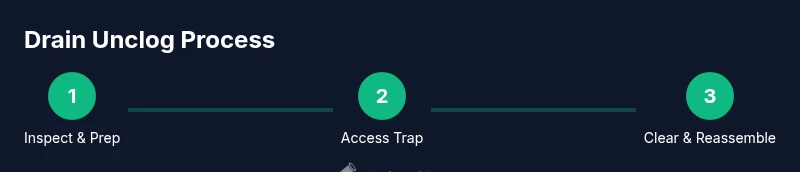
- Inspect and prepare: identify the location of the clog, clear the area, and assemble tools. 2) Access the trap: place a bucket underneath, detach the P-trap, and inspect for obvious blockages. 3) Clear the trap: remove debris with gloved hands or a cloth, reassemble, and test drainage. 4) Plunge: use a cup plunger to dislodge minor clogs in the drain line. 5) Snake the line: insert a drain snake to break up or pull out deeper obstructions. 6) Flush and verify: run hot water to clear remnants and confirm flow. 7) Prevent future clogs: adopt preventive habits and routine maintenance. 8) Know when to escalate: identify signs that require a plumber or pro services.
Following this structured workflow helps you quantify effort, avoid unnecessary steps, and achieve consistent results.
Mechanical methods first: plungers, snakes, and practical know-how
Mechanical methods are the backbone of DIY drain work. Start with the plunger to tackle minor clogs by forming a tight seal and delivering quick bursts of pressure. If your plunger is not effective, move to a drain snake. Insert the snake and rotate as you push forward; the goal is to either break up the blockage or latch onto it for removal.
When threading the snake, avoid forcing the tool through sharp bends. If you encounter resistance, back up slightly, rotate again, and retry. For traps, disconnect and clear them manually only if you’re confident in identifying all joints and seals. After any mechanical intervention, run hot water in small, controlled bursts to help flush debris away and check for immediate improvement.
Cautions around chemical cleaners and safer alternatives
Chemical drain cleaners can damage pipes and trap seals when misused. They often create hazardous fumes, can corrode metal components, and may not reach deeper blockages effectively. If you choose to use a cleaner as a last resort, select a product labeled for your pipe type and follow the manufacturer’s instructions precisely. Never mix cleaners, and never rely on chemicals as a first option.
Safer alternatives focus on physical methods: hot water flushes, baking soda and boiling water treatments, or enzyme-based cleaners that break down organic buildup with less risk to pipes. Remember, prevention through regular maintenance—like flushing drains with hot water and using a mesh screen to catch hair and food particles—reduces the need for aggressive interventions.
When to call a professional and what to expect
Certain scenarios require professional assistance. If you face persistent backups after multiple attempts, smell sewage, or notice wet spots around the trap indicating leaks, stop DIY work and call a licensed plumber. Blockages in main lines, tree root intrusion, or severely damaged pipes demand professional equipment and expertise.
A plumber will typically inspect the line with specialized tools, identify the blockage location, and implement a tailored approach. Expect a diagnostic visit, possible camera inspection, and a discussion of options and costs. By recognizing the limits of DIY repair, you protect your home from further damage and ensure a proper fix.
Maintenance habits to prevent future clogs
Prevention is simpler than remediation. Develop a routine that minimizes buildup: use drain grates over sinks and showers, avoid pouring grease down the kitchen sink, and periodically flush lines with hot water. For bathroom drains, use a hair catcher and wipe hair from the trap after chores. Consider occasional baking soda and hot water flushes to keep mineral buildup in check. Regularly scheduled maintenance reduces the frequency and complexity of future clogs and helps you avoid costly emergencies.
Authority sources and further reading for drain troubleshooting
For safety and best practices, consider consulting credible sources:
- https://www.epa.gov
- https://www.osha.gov
- https://www.nist.gov These resources provide general guidelines on safe home maintenance, tool handling, and safe cleaning practices that complement practical DIY work and help homeowners decide when professional help is warranted.
Quick-reference checklist for DIY drain work
- Confirm symptoms and fixture scope before you start
- Gather the essential tools and protective gear
- Access the trap safely and inspect for blockages
- Use mechanical methods first (plunger, then snake)
- Flush intermittently with hot water to test flow
- Avoid chemical cleaners as a first resort
- Reassemble securely and test for leaks
- When in doubt, consult a professional to prevent damage
Tools & Materials
- Bucket(To catch wastewater during trap removal)
- Adjustable wrench(Loosen and secure trap nuts)
- Channel-lock pliers(Detach and reattach trap components without rounding nuts)
- Gloves(Wear rubber gloves for protection against dirty water)
- Plunger (cup type)(For initial attempts to free minor clogs)
- Drain snake / auger(3–6 ft length; optional drill-powered models depending on access)
- Towels or rags(Cleanup and dry the work area)
- Flashlight(Inspect dark corners beneath sink and inside pipes)
Steps
Estimated time: Total: 30-60 minutes
- 1
Inspect and prep the area
Survey the sink area, clean the workspace, and lay towels to catch debris. Confirm the fixture type and identify whether the trap is accessible without removing permanent fittings. This step sets the stage for a controlled, mess-minimized repair.
Tip: Take photos of trap connections before disassembly to ensure correct reassembly. - 2
Shut off water and access the trap
Turn off the water supply to the sink, place a bucket under the P-trap, and carefully loosen the trap nuts with a wrench. Remove the trap and inspect for visible obstructions.
Tip: Keep the space organized; place trap parts in a labeled container to avoid misassembly. - 3
Clear obstructions in the trap
Remove any debris from the trap with gloved hands or a dry cloth. Rinse the trap if needed to ensure nothing clogs the outlet when reinstalled.
Tip: Watch for sharp edges; handle metal parts with care to avoid cuts. - 4
Plunge the drain
Use a cup plunger to create a seal over the drain and pump steadily. If the flow improves, test drainage; repeat if necessary.
Tip: A proper seal matters more than forceful pumping. - 5
Snake the drain
Insert the drain snake into the drain, rotate while advancing, and pull back when you feel resistance. Remove debris or capture it with the cloth before returning the snake.
Tip: Do not force the snake around tight bends; back up slightly and rotate to navigate curves. - 6
Flush and test with hot water
Run hot water through the line in small bursts to clear residual debris. Reassemble the trap and check for leaks while testing with water.
Tip: Flushing helps verify successful clearance and reduces recurring buildup. - 7
Prevent future clogs
Install a mesh screen on the sink, dispose of grease in the trash, and perform periodic flushes to maintain flow.
Tip: Small preventive habits save larger repairs later. - 8
Evaluate if further help is needed
If water remains sluggish or you detect leaks, reassess your plan and consider a professional assessment to avoid damage.
Tip: Leaning on a pro early can prevent costly water damage.
Got Questions?
What is the first step to unclog a sink drain?
Begin by turning off the water and gaining access to the trap. Remove the trap to inspect for obvious blockages before trying plunging or snaking.
First, shut off water and access the trap; check for a visible clog before plunging or snaking.
Are chemical drain cleaners safe for pipes?
Chemical cleaners can damage pipes and seals, especially with repeated use. Use mechanical methods first and follow safer alternatives when possible.
Chemicals can damage pipes; use mechanical methods first and avoid regular chemical cleaners.
How long does baking soda and vinegar take to work?
Baking soda and vinegar may help loosen minor buildups but typically require time or repeated flushing to show noticeable results.
Baking soda and vinegar can help, but you might need to repeat the process or use other methods for stubborn clogs.
When should I call a plumber?
If multiple sinks are slow or backing up, you smell sewage, or you see leaks after attempts, a professional should assess the pipes and main line.
Call a plumber if you still have backups after several tries or notice sewage smells or leaks.
How can I prevent future clogs in the kitchen drain?
Use a strainer, dispose of grease in the trash, and flush with hot water regularly. Periodic maintenance helps keep drains clear.
Use a sink strainer, throw grease away, and flush with hot water to prevent clogs.
Watch Video
The Essentials
- Start with a visual check and trap access to localize the clog
- Use mechanical methods first; avoid harsh chemicals as a default
- Test drainage after each maneuver to confirm progress
- Keep a tidy workspace and reassemble securely to prevent leaks
- Know when to escalate to a professional if basic methods fail