What to Do When Your Drain Is Blocked: A Practical Guide
A comprehensive, step-by-step guide for diagnosing and clearing blocked drains safely, with DIY strategies, safety tips, and prevention strategies for homeowners.


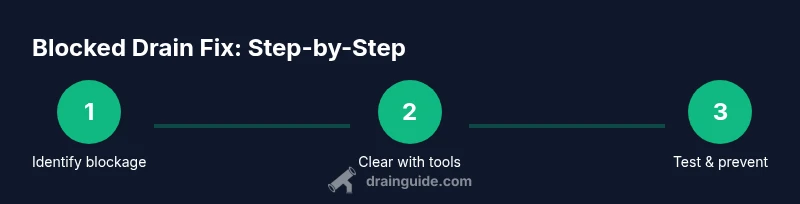
Goal: safely diagnose, clear, and prevent blocked drains with everyday tools. This quick guide shows how to identify the blockage, decide between mechanical methods, safe use of cleaners, and when to call a professional. You’ll learn practical steps, safety precautions, and maintenance habits to keep drains flowing. This approach minimizes mess and damage while maximizing odds of a successful DIY clearance.
Understanding common causes of blockages
A blocked drain is usually the result of buildup, not a sudden disaster. When you ask what to do when drain is blocked, the first step is to understand why clogs form. In bathrooms, hair, soap scum, and mineral deposits cling to the inner walls of the trap and pipes, gradually narrowing the passage. In kitchens, cooking grease, food particles, and starches can solidify and cling to the pipe, especially where the pipe curves. Over time, these materials attract more debris, creating a dense clog that slows water flow or stops it completely. Debris can also snag objects that accidentally fall into the drain, from jewelry to children's toys. Poor venting or a partial blockage in the main line can mimic a local clog by preventing air from moving freely, leading to gurgling sounds and slow drainage in multiple fixtures. A quick inspection of the P-trap under sinks often reveals a readily removable buildup. Regular maintenance—such as using a hair catcher on bathroom drains, avoiding pouring grease down kitchen sinks, and flushing with hot water after heavy use—reduces recurrence. Drain Guide emphasizes diagnosing the origin of the blockage before acting, as this guides the safest and most effective clearance approach.
Choosing the right approach: mechanical vs chemical vs professional
When addressing a blockage, there are several paths you can take. Mechanical methods—like a plunger or a drain snake—are typically safest for most household drains and should be your first option. Chemical cleaners can be effective for certain clogs but carry risks to pipes, septic systems, and indoor air quality; they should be used sparingly and only after mechanical attempts, if at all. Enzyme-based cleaners offer a gentler alternative suitable for ongoing maintenance, though they work slowly and require time to soak. Professional help becomes advisable for stubborn clogs, suspected main-line issues, sewage odors, or if you’re unsure about the pipe layout. Drain Guide recommends a layered approach: confirm the location and extent of the clog, try mechanical clearing, then decide if chemical aids are appropriate or if a pro is needed. Document your actions and avoid mixing cleaning agents to prevent hazardous reactions.
Safe practices and chemical cleaners: what to use and what to avoid
Safety first: wear gloves and eye protection when working with drains. Don’t pour caustic or acidic cleaners into toilets or drains with plastic components, and never mix different cleaners, especially bleach with ammonia or acids. Enzyme-based cleaners offer a safer, longer-term option, but expect slower results. If you choose chemicals, read labels carefully, follow the recommended amounts, and ventilate the area. For many homeowners, a combination of hot water flushes and mechanical methods solves the problem without harsh chemicals. If you do opt for a cleaner, choose non-caustic, septic-safe formulas and avoid products that claim to instantly dissolve stubborn jams in older pipes. Remember: persistent or recurring clogs may indicate an underlying issue that requires professional attention.
How to test drains after clearing: check for smells and backup
After clearing a clog, run water through the fixture and observe the flow. A successful clearance should result in a steady, unbroken stream with no standing water. Listen for any gurgling sounds in related fixtures, which can signal a main-line or vent issue. If odors persist, flush the line with hot water and consider a mild enzyme cleaner to maintain flow. Check traps for any residual debris and reassemble as needed. If the drain remains slow or backs up, pause and reassess, as repeated backups can indicate a more serious problem.
Preventive maintenance and routine checks
Preventing future clogs is easier than clearing them. Use basket strainers on sinks, avoid pouring grease down the drain, and dispose of hard food waste in the trash. Periodically flush drains with hot water, and consider enzyme-based cleaners as a maintenance tool rather than a cure-all. Schedule a quick yearly check of P-traps and venting, especially in older homes. By staying proactive, you’ll reduce the likelihood of future interruptions and keep your drains flowing smoothly.
Tools & Materials
- Plunger (cup plunger for sinks, flange plunger for toilets)(Choose the correct type for the fixture)
- Drain snake (manual auger)(8-10 ft for sinks; 25 ft for toilets)
- Bucket(To catch spills)
- Rubber gloves(Protect hands; consider eye protection)
- Old towels or protective sheeting(Protect floors)
- Flashlight(Inspect pipes and traps)
- Enzyme-based cleaner (optional, non-caustic)(Safer alternative to chemical cleaners)
- Vinegar and baking soda (optional)(Gentle natural cleaners)
Steps
Estimated time: 60-90 minutes
- 1
Assess the situation and protect the area
Before you touch any hardware, observe which fixtures are affected and clear the area. Put towels on the floor, remove any standing water if possible, and turn off the water supply to avoid spills. Quick checks for multiple fixtures help determine if the issue is local or systemic.
Tip: Document the setup with a quick photo for reference. - 2
Attempt initial clearance with a plunger
Use a proper plunger to create a seal over the drain and push/pull to dislodge the clog. Maintain steady pressure and avoid forcing the plunger. If water remains standing, add a small amount of water to cover the plunger cup.
Tip: Keep the seal tight and plunge with short, firm strokes. - 3
Try a drain snake for deeper blockages
Insert the auger into the drain and rotate clockwise to break through the clog. Push gently and avoid excessive force that could scratch pipes. Retract slowly to pull debris out.
Tip: Leave a slight tension as you reel in to maximize contact with the clog. - 4
Flush and test the drain
Run hot water in the fixture to flush the line and verify flow. If backup persists, repeat the snake or switch to a different method. Check other fixtures to ensure the main line isn't affected.
Tip: Use hot water in gradual increments to avoid thermal shock. - 5
Consider safe cleaners or professional help if needed
If plunger and snake fail, consider enzyme-based cleaners or a professional assessment. Avoid caustic chemical cleaners, which can damage pipes and septic systems. Do not mix cleaners.
Tip: Enzymes work slowly but are gentler on plumbing. - 6
Decide next steps based on results
If the drain flows freely after steps, you’ve cleared the clog. If not, document and schedule a plumber appointment, especially if the blockage recurs or you notice sewage odor, gurgling, or multiple fixtures affected.
Tip: Persistent issues after steps warrant professional evaluation.
Got Questions?
What is the quickest method to unclog a sink drain?
For most sinks, start with a plunger to create a seal and push water through the clog. If that fails, use a drain snake to reach deeper. Avoid rushing to chemicals; mechanical methods are safest first.
Start with a plunger, then a drain snake if needed. Avoid rushing to chemicals.
Are chemical drain cleaners safe for plastic pipes?
Many chemical cleaners can degrade plastic pipes and trap seals. Use enzymes or mechanical methods first, and read the label to confirm compatibility with your pipes.
Chemicals can damage plastic pipes; try safer options first.
Can a blocked drain indicate a bigger plumbing problem?
Yes. If backups appear in multiple fixtures or sewage odors emerge, you may have a main line or vent issue. In such cases, consult a licensed plumber.
A blockage can signal a bigger issue; consider professional help.
Is it safe to use a drain snake in a toilet?
Use a toilet auger instead of a standard drain snake to avoid damaging the wax ring and toilet components. For toilets, a snake designed for toilets is safer.
Avoid standard snakes in toilets; use a toilet auger.
What can I do to prevent clogs in the future?
Install a fine mesh strainer, avoid pouring grease down sinks, run hot water regularly, and clean traps periodically. Regular maintenance reduces buildup.
Prevent clogs with simple habits and regular maintenance.
When should I call a plumber?
If there is persistent clog after DIY attempts, sewage smell, or backups in multiple fixtures, contact a licensed plumber promptly.
Persistent issues or sewage smells require a plumber.
Watch Video
The Essentials
- Identify the blockage before acting
- Use mechanical methods first
- Avoid caustic cleaners unless necessary
- Test flow after each step
- Call a professional for persistent or sewage-backed clogs