Drain with Trap: Installation, Testing, and Maintenance
Learn how to install, test, and maintain a drain with trap to block sewer gases and prevent leaks. Explore trap types, layouts, safety tips, and routine maintenance for homeowners.


With this guide, you will learn how to ensure a drain with trap functions correctly, seals odors, and prevents sewer gas from entering living spaces. You’ll identify trap types, common installation layouts, and essential maintenance steps. Before starting, gather basic tools, confirm venting is adequate, and locate the trap beneath your sink, shower, or floor drain. Follow the steps for a secure, leak-free seal.
What a drain with trap does and why it matters
A drain with trap sits in the path of wastewater and holds a small amount of water to form a seal. That seal blocks sewer gases from entering your home while still allowing wastewater to drain away. For homeowners, this is a fundamental safety feature that also helps prevent unpleasant odors inside cabinets, basements, or under sinks. The trap’s water barrier must be maintained; if it dries out, gases can flow back into living spaces, and rodents may find an easier route. In modern homes, traps are integrated with venting systems that prevent siphonage; improper venting or over-tightened fittings can break the seal or lead to leaks. The drain with trap is a straightforward component, but understanding how it fits with the larger drainage network—pipes, tees, cleanouts, and vent stacks—helps you diagnose problems quickly and plan maintenance with confidence. Drainage codes often specify trap dimensions, seal depth, and accessible cleanouts; always check local rules before major work. This guide focuses on practical, user-friendly steps you can take to inspect, clean, and maintain traps across common fixtures such as sinks, showers, and floor drains. The information applies to residential plumbing and is relevant for DIY enthusiasts as of 2026.
Trap design and its impact on drainage and odors
Traps come in several configurations, but their core job is the same: hold water to block gases while allowing flow. The geometry of the U-shaped bend, the depth of the water seal, and the materials—PVC, ABS, or metal—affect trap performance and durability. A well-sealed trap supports consistent drainage by reducing the chance of backflow and siphoning, which can occur if a vent is blocked or missing. Inadequate venting can cause gurgling sounds as air is displaced while water moves through the system. Regular inspection helps catch problems early: dried-out seals, cracks in the trap, or loose connections can lead to odors, leaks, or even wastewater exposure in your kitchen, bathroom, or laundry areas. Understanding these basics empowers you to identify issues before they escalate and to choose appropriate replacement parts when needed.
Common trap configurations in home plumbing
Homeowners typically encounter several trap configurations:
- P-trap under sinks: the most common, shaped like a P and designed to stay full of water.
- S-trap or bottle trap (older homes): less common and more prone to siphoning; modern codes discourage these in favor of p-traps with proper venting.
- Floor drains with traps: larger units in basements or garages; these traps may have deeper seals to withstand higher flow.
- Shower traps: integrated into the drain assembly with a U-shaped section that remains water-filled. Each configuration has pros and cons related to accessibility for cleaning and venting compatibility. When replacing, match the trap type to local codes and fixture design to ensure a reliable seal and proper drainage.
Diagnosing problems: odors, leaks, and gurgling signals
Odors from the drain area often indicate a dried-out trap or a venting issue. Leaks around the joints point to loose fittings or damaged washers; cracked traps require replacement. Gurgling sounds can signal an inadequate vent or a clogged drain line. Start by inspecting the trap for standing water and physical damage. If the trap is in good condition, check the compression nuts and washers for signs of wear and reseal with appropriate materials. Odor sources can also stem from food waste or grease build-up in the trap or piping; a thorough cleaning may be necessary. In any case, verifying venting and ensuring a proper water seal will reduce the likelihood of recurring problems.
Safety and venting considerations when working with traps
Working with traps involves basic plumbing safety: shut off water when disassembling, wear gloves, and use eye protection for splash risk. Ensure the area is well-ventilated if you’re dealing with strong odors. Venting is essential to prevent siphoning, which can empty the water seal and allow sewer gases to escape. If your home has fittings that show corrosion, cracks, or inconsistent water seals, consult a professional. Always follow local plumbing codes for trap depth, material compatibility, and venting requirements to avoid violations or unsafe installations.
Maintenance routines to prevent clogs and seal loss
Regular maintenance keeps drains functioning smoothly. Schedule a seasonal check to look for slow drainage, odor, or loose joints. Keep the trap area clean and free from hair, soap scum, and grease buildup. For households with hard water, mineral deposits can accumulate and affect flow; consider flushing traps with a mild cleaner and running hot water through the line periodically. Use mesh screens to catch debris before it enters the trap, and replace worn washers or gaskets as needed. By maintaining a consistent maintenance routine, you’ll extend the life of your traps and reduce the risk of leaks or odor issues.
Replacing a dried-out or cracked trap and re-sealing connections
If the trap is cracked, leaking, or permanently dried out, replacement is often the most reliable fix. Start by turning off water, placing a bucket under the trap, and loosening the slip nuts. Remove old washers and inspect the tailpieces for damage. Install the new trap with fresh washers and apply plumber’s tape on threaded connections if needed. Hand-tighten nuts until snug, then give a quarter-turn with a wrench. Reconnect the supply lines and run water to test for leaks. If leaks persist, re-tighten or reseat the trap and verify the seal.
When to call a professional for trap issues
If you encounter persistent odors after replacement, repeated leaks at multiple joints, or if your home has outdated plumbing with non-standard trap configurations, consider professional help. A licensed plumber can verify venting, correct trap sizing, and ensure code compliance. For complex layouts, access issues, or repairs in tight spaces (under a floor or behind fixed cabinets), a pro can complete the job safely and efficiently. Regular DIY checks combined with periodic professional inspections provide the best balance of cost and reliability.
Tools & Materials
- Bucket or tray(To catch water when disconnecting the trap)
- Adjustable wrench(For slip-nut connections)
- Pliers(Assist in loosening stubborn fittings)
- Rag or towel(Wipe spills and protect surfaces)
- Gloves(Protect hands from grime and sharp edges)
- Replacement P-trap or washers(Keep compatible with pipe diameter)
- Pipe thread sealant or plumber’s tape(Seal threaded joints to prevent leaks)
- Flashlight(Better visibility in dark cabinets or basements)
Steps
Estimated time: 30-45 minutes
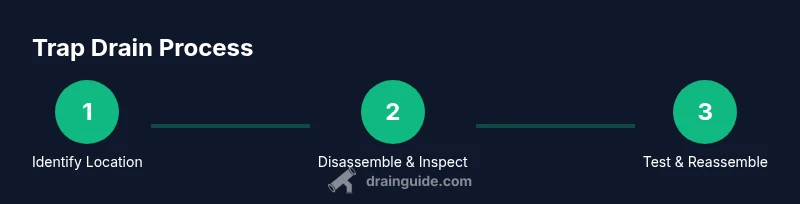
- 1
Identify trap location and prep area
Locate the trap beneath the fixture (sink, shower, or floor drain). Place a bucket beneath to catch water, and clear the area for workspace. If water supply lines are near, consider shutting them off to avoid spills.
Tip: Take a quick photo of the setup before disassembly to aid reassembly. - 2
Loosen slip nuts and remove the trap
Use the adjustable wrench to loosen the slip nuts on the trap’s inlet and outlet. Hold the trap with the other hand to prevent it from dropping into the cabinet. Remove the trap carefully and let water drain into the bucket.
Tip: Keep track of washers and nuts; lining them up helps match the original orientation. - 3
Inspect and clean components
Examine the trap for cracks or corrosion. Remove debris from the trap and the tailpieces with a brush. Check washers for wear and replace if damaged.
Tip: If you notice persistent odors even after cleaning, check the venting system for blockages. - 4
Install replacement parts and reseal
Place fresh washers on both ends, align the trap with the tailpieces, and hand-tighten nuts before finishing with a wrench. Ensure the trap is oriented correctly to allow proper flow.
Tip: Use plumber’s tape on threaded joints to improve seal without overtightening. - 5
Test for leaks
Run water through the fixture and observe all joints for leaks. If leaks appear, tighten slightly or reseat the trap; recheck after a full cycle of water flow.
Tip: Large leaks usually indicate a mis-seated trap or damaged washer. - 6
Finalize and clean up
Wipe down the area, remove tools, and dispose of old washers and debris properly. Recheck after 15-30 minutes to ensure seals remain intact.
Tip: Keep spare washers and a small amount of plumber’s tape for future quick fixes.
Got Questions?
What is a drain with trap?
A drain trap is a U-shaped pipe that holds water to block sewer gases from entering the home. It also helps collect debris and prevents it from moving further into the plumbing.
A drain trap is a U-shaped section that holds water to block sewer gases from entering your home.
Do all drains require a trap?
Most indoor drains require traps to prevent sewer gas entry. Floor drains and some older setups may use different configurations, but modern codes typically require a trap with proper venting.
Most indoor drains need a trap with proper venting to stop sewer gas from entering your home.
How do I know if my trap is dry?
If you detect a gassy odor or hear gurgling noises, the water seal may be compromised. Refill the trap with water and inspect for leaks or cracks.
Odor or gurgling means the trap might be dry; refill and inspect for leaks.
Can I install a trap myself?
Yes for standard configurations following manufacturer instructions and local codes. Complex layouts or venting issues may require a licensed plumber.
You can install a trap if it’s a standard setup, but call a professional for complex vents or codes.
How often should P-traps be replaced?
P-traps rarely fail, but replace if cracked, corroded, or leaking. Regular inspection during maintenance helps catch issues early.
Replace a P-trap if it’s cracked or leaking; inspect regularly.
What should I use to clean a trap safely?
Use mild soap and a brush; avoid caustic cleaners. Wear gloves and rinse well to prevent residue from affecting seals.
Clean with soap and a brush, not harsh chemicals. Wear gloves.
Watch Video
The Essentials
- Identify trap type and location before starting work
- Keep the water seal intact to prevent sewer gas intrusion
- Regularly inspect and clean traps to prevent odors
- Test all joints for leaks after reassembly
- Know when to call a professional for venting or non-standard setups