Drain Worms Troubleshooting: Fast Home Fixes for Safe Drains
Urgent guide to identify, treat, and prevent drain worms in home drains. Practical steps, safe tools, and when to call a pro for lasting results.


If you notice worm-like larvae near your drain, the most likely cause is organic buildup feeding drain flies, not actual earthworms. Start with simple cleaning: clear the trap, flush with hot water, and use an enzyme cleaner or safe snaking. If odors persist or infestation returns, proceed through the diagnostic flow and consider professional help.
What are drain worms and why they matter
Drain worms are a common term homeowners use for larvae that live around damp drain areas. In many cases they are the larvae of drain flies rather than true earthworms. The presence of these tiny larvae often signals ongoing organic buildup, moisture, and a favorable breeding environment in or around the drain. According to Drain Guide, recognizing the distinction between a worm-like larva and a true worm helps you choose the right remedy: non-chemical cleaning for minor buildup or targeted sanitation for more persistent issues. Understanding this difference is the first step toward a sanitary, odor-free drain system and helps prevent larger problems like sewer gas intrusion or recurrent clogs.
Common sources and how infestations start
Drain worm-like larvae are typically tied to organic matter that accumulates in pipes, traps, and p-traps. Hair, soap scum, grease, and food debris create a moist micro-ecosystem where larvae feed and mature. In bathrooms, kitchens, and utility sinks, standing water or slow drainage provides the ideal habitat. Another frequent source is a poorly vented or cracked drain line that allows sewer gases and moisture to linger. By inspecting the trap and the metal or PVC piping for buildup, you can identify the primary breeding ground and tailor your cleanup plan accordingly. Drain Guide notes that most infestations begin with a simple clog or lingering moisture rather than a full-blown pipe failure.
Immediate actions you can take now
Begin with non-chemical, low-risk steps. Remove the U-shaped trap under the sink and check for visible debris. Flush the system with boiling water or hot tap water in stages to dislodge gunk. Use a paste of baking soda and vinegar or a stocked enzyme-based cleaner to break down organic matter, then flush again. Run the disposal or faucet long enough to ensure all flow paths are clear. If you notice persistent odors or a return of larvae after a few days, escalate to mechanical cleaning with a drain snake and reassess the trap setup. Throughout, keep surfaces clean and dry to deter future breeding.
How to safely clean and reduce odors
A two-pronged approach works well: mechanical removal of gunk and chemical-free sanitation. Start by removing hair and debris from the drain opening, then use a drain snake to dislodge clogs beyond the trap. Rinse with hot water to push debris through the pipe. Treat the area with an enzyme-based cleaner, which can digest organic residues without harming pipes or the environment. Avoid harsh chemical drain cleaners near skin or eyes; these chemicals can be hazardous in enclosed spaces. After cleaning, wipe the area dry and ensure proper airflow to prevent moisture buildup that invites future larvae.
Prevention strategies to keep drains worm-free
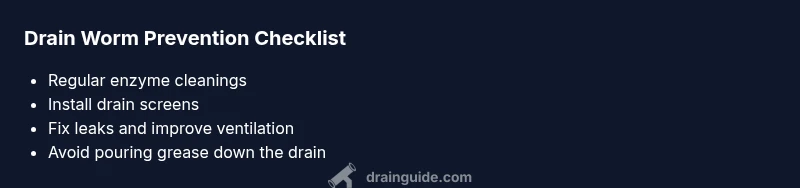
Prevention is the best defense against drain worm infestations. Regularly clean drains every 1–3 months with enzyme-based cleaners to break down organic matter before it accumulates. Install drain screens or strainers to catch hair and food particles, and repair any leaks that create persistent moisture. Keep the cabinet area dry and well-ventilated, especially in bathrooms and kitchens. If you have a garbage disposal, run it with plenty of cold water to prevent fats from sticking to the sides of pipes. Finally, avoid pouring grease or large quantities of cooking oil down the drain, which can solidify and attract larvae.
When to call a professional and what to expect
If DIY efforts fail to resolve the issue or if you notice sewage odors, persistent wet spots, or repeated larvae sightings, it’s time to call a plumber. A professional can perform a camera inspection to locate hidden buildup, drain mains, or venting issues. They can also assess for root intrusion or leaks that require more extensive repair. Expect a diagnosis, a cost estimate, and a plan for either deep cleaning, vent repair, or pipe replacement if necessary. Early professional intervention often prevents a larger, more costly problem.
Tools and products that help (with safety)
Stock up on a few essentials: a drain snake or auger, enzyme-based cleaner, heat-safe gloves, a bucket, and rags. Use a vented area when handling cleaners to reduce fumes. For persistent cases, consider a mechanical cleaning tool (handheld auger) and a commercial enzyme-based drain maintainers. Never mix cleaners; never pour unknown liquids into a live drain; and always wear eye protection. If you’re unsure about the venting or sewer stack, pause and call a pro to avoid exposure to hazardous gases.
Common myths debunked
Myth: Drain worms are earthworms escaping from the soil. Reality: Most so-called drain worms are larvae of drain flies or other pests drawn to standing moisture. Myth: Chemical drain cleaners solve all problems. Reality: Strong cleaners can damage pipes and may worsen the infestation by leaving residues that attract more larvae. Myth: Pouring bleach is enough. Reality: Bleach can kill some organisms but doesn’t remove the organic buildup that feeds larvae; it can also produce hazardous fumes in confined spaces.
Steps
Estimated time: 45-75 minutes
- 1
Prepare and protect
Put on gloves and safety glasses. Gather a drain snake, enzyme cleaner, hot water, baking soda, and vinegar. Clear the work area and ensure good ventilation.
Tip: Ventilation reduces inhalation of fumes from cleaners. - 2
Access the trap and remove debris
Place a bucket under the trap, unscrew the trap, and remove standing water and visible hair/debris. Clean the trap thoroughly before reassembling.
Tip: A clean trap prevents immediate re-deposits. - 3
Mechanical cleaning with a snake
Insert the drain snake and push forward until you feel resistance, then rotate to break up the clog. Pull back slowly to remove material.
Tip: Don’t force the snake; work gently to avoid pipe damage. - 4
Flush and sanitize
Run hot water through the drain, then apply enzyme cleaner and let it sit per label directions. Rinse again with hot water to push debris through.
Tip: Enzymes work best when given dwell time. - 5
Prevent future buildup
Install a drain screen, fix leaks, and avoid pouring grease down the drain. Schedule regular maintenance with enzyme cleaners.
Tip: Screens dramatically cut future clogs. - 6
Test and monitor
Run water for several minutes and observe for signs of fresh buildup or odors. Repeat cleanings every few months as needed.
Tip: Early repetition prevents large infestations. - 7
Know when to call a pro
If odors persist after cleaning or you suspect sewer line issues, contact a plumber for a camera inspection and professional treatment.
Tip: Professional help can prevent costly future damage.
Diagnosis: Strong musty odor with visible worm-like larvae near drains
Possible Causes
- highOrganic buildup in drain pipes feeding larvae
- mediumDrain flies laying eggs in damp areas around the drain
- lowLeaky pipes causing persistent moisture and substrate for larvae
Fixes
- easyClean the affected drain with a safe enzyme cleaner or mechanical snaking
- easyRinse with boiling water and a baking soda-vinegar mix to break up buildup
- mediumAddress moisture sources, seal leaks, and install screens to block flies
Got Questions?
What are drain worms?
Drain worms are typically larvae of drain flies or similar pests that breed in damp, organic material around drains. They are not earthworms. Identifying them helps you target sanitation and cleaning steps.
Drain worms are larvae from drain flies, not actual earthworms. They signal moisture and organic buildup around your drains.
Are drain worms dangerous to humans?
They are not usually dangerous to people, but their presence indicates unsanitary conditions and potential contamination risk if drains are not cleaned. They can contribute to odors and an unhealthy environment.
They’re not typically harmful to people, but they show your drains need cleaning and sanitation.
How can I tell if I have an infestation?
Look for a combination of musty odors, small larvae near the drain, sluggish drainage, and visible buildup around the trap. A professional check can confirm whether the issue is limited to the drain or involves the sewer line.
If you smell a sewer-like odor and see larvae near the drain, you may have an infestation. A plumber can confirm with a camera check.
Can I fix drain worm issues without a plumber?
Many minor cases can be addressed with careful cleaning, enzyme cleaners, and preventive measures. If odors persist or there are signs of sewer backflow, call a professional to avoid bigger problems.
DIY fixes work for small buildup. If problems persist, a pro can check for sewer issues.
What safety precautions should I take with cleaners?
Always read labels, use gloves and eye protection, and never mix cleaners. Work in a well-ventilated area to avoid fumes, especially with enzyme cleaners and hot water.
Wear gloves and goggles, don’t mix cleaners, and keep the area ventilated.
Watch Video
The Essentials
- Identify odor and inspect trap first
- Clear organic buildup before attempting chemistry
- Prevent future infestations with screens and regular maintenance
- Avoid mixing cleaners; prioritize safety
- Call a pro if sewer-related issues persist