How to Block a Drain: A Practical Home Guide
Learn how to block a drain safely using stoppers and seals. This educational, step-by-step guide covers tools, safety, and reopening tips for sinks, tubs, and showers—plus practical troubleshooting and quick takes.


According to Drain Guide, knowing how to block a drain safely means selecting the right stopper, creating a temporary seal, and preparing to reopen without overflow. With the right tools, protective gear, and a clear sequence, you can block sinks, tubs, or showers for maintenance and prevent spills, then verify the seal before resuming use.
Why Block a Drain Safely
According to Drain Guide, blocking a drain is a common DIY task when performing maintenance, preventing overflow during cleaning, or restricting flow while you inspect pipes. The key is safety and reversibility: use a stopper or seal that fits your fixture, protect yourself from splashes, and keep a plan to reopen the drain without forcing water back up. This section explains the rationale behind temporary drainage blocks, the typical scenarios where blocking is appropriate, and the risks of improvised methods. By understanding the purpose, you’ll choose the right method for your fixture (sink, bathtub, or shower) and reduce the chance of leaks or damage during the process.
Public-facing drains—especially kitchen sinks and bathroom fixtures—are built to handle water flow. When you block a drain, you alter the pressure dynamics inside the trap and pipes. That’s why preparation matters: clear the area, have a plan to test the seal, and be ready to remove the block promptly if you notice any leaks or slow drainage on other fixtures.”
Tools and Materials You'll Need
Before you start, gather a small set of tools and materials to ensure a clean, effective seal. The exact items vary by fixture, but a typical blocking setup includes a stopper that fits your drain, a flexible sealing material, rubber gloves, a towel or rag, and a container to catch spills. Having these components on hand reduces the risk of overflow and makes the process repeatable for future needs. This section lists essential and optional items, with notes on when to use each.
Remember: work in a well-lit area, and keep children or pets away from the workspace to avoid accidents.
Step-by-Step: How to Block a Drain
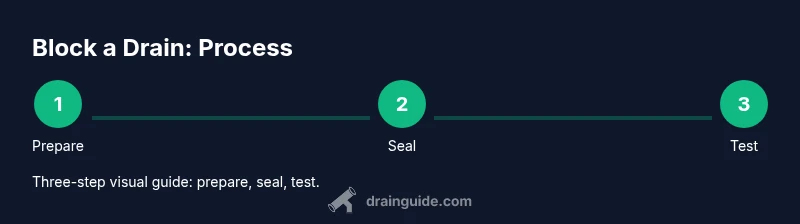
Blocking a drain is a multi-step process that, when done correctly, is reversible and safe. The steps below focus on common fixtures (sink, shower, tub). Always tailor your approach to the drain size and material. If a seal fails or you see wastewater backing up into another fixture, stop and seek professional help. The following steps assume you have a stopper that fits the drain and a clean work area. The sequence is designed to be followed in order for reliability and safety.
- Choose the right stopper. Ensure the stopper matches your drain’s opening and material. A secure fit reduces the chance of leaks during testing and use. Pro tip: test fit by placing it over the drain before proceeding.
- Prepare the area. Clear the countertop, place a towel beneath the drain, and have a bucket ready for any spills. This reduces the risk of water damage and makes cleanup easier.
- Position the stopper and seal. Place the stopper over the drain and apply any gasket or sealant if your setup calls for it. A snug seal is essential to prevent water from slipping under the stopper.
- Add a secondary seal if needed. For stubborn drains, a layer of rubber gasket or silicone sealant around the stopper can improve the seal. Allow 1–2 minutes for any sealant to settle if you use it.
- Test the block. Slowly run a small amount of water and observe for leaks around the stopper. If you see seepage, stop and re-seat the stopper or switch to a secondary seal.
- Plan for reopening. After testing, remove the stopper carefully and place it in a safe spot. Wipe down the area and check that the fixture drains normally when you resume operation.
Estimated total time: about 15–25 minutes for a basic block; longer if you use sealants or encounter drainage challenges.
Alternatives to Blocking: When Not to Block
Blocking a drain is not always the best or safest option. If you suspect a sewer line issue, residents should avoid improvising seals and instead call a professional. Also, if a fixture has an integrated trap with a built-in venting system, improper blocking can cause unusual pressure changes that lead to leaks elsewhere in the plumbing network. In such cases, consider temporary water shutoff at the fixture valve or using a commercial drain plug designed for the specific fixture type. This section helps you decide when blocking is appropriate and when to pursue alternate tactics.
Common Mistakes and Safety Tips
To minimize risk, avoid common mistakes such as using improvised materials that can tear, relying on tape for a long-lasting seal, or blocking drains without confirming there’s no backup risk. Always wear gloves, keep the work area dry, and never apply chemical drain products while a manual seal is in place. If you’re unsure about the fixture type or the drain’s configuration, pause and seek guidance. Safety first—block only what you can confidently seal and monitor the area closely.
Cleaning and Reopening the Drain After Blocking
When you’re ready to reopen, remove the stopper carefully to avoid creating a splash. Inspect the drain for any residual sealant or debris that could clog the outlet, then flush the system with a small amount of water to ensure smooth flow. If you used a sealant, wipe away excess material and allow any temporary sealant to cure fully before future use. This closing phase reduces the risk of leaks and ensures the fixture returns to normal operation quickly.
Quick Troubleshooting if Water Backups
If water starts backing up or you notice a foul odor after blocking, stop immediately and remove the seal. Check for improper seating, debris around the stopper, or a mismatch between the stopper and drain. If backflow persists, it may indicate a more serious clog or plumbing issue that requires professional attention. Drain Guide recommends assessing the situation calmly, removing the block, and reattempting only if you’re confident the blockage is localized and safe to seal.
Tools & Materials
- Sink stopper or drain plug(Should fit your drain opening; silicone or rubber preferred for a tight seal)
- Rubber gloves(Protect hands from splash and grime)
- Towel or rag(Place around the drain to catch spills)
- Bucket or container(Catch drainage during testing)
- Sealant or gasket (optional)(Silicone sealant for stubborn seals (only if compatible with fixture))
- Flashlight or work light(Better visibility for tight spaces)
- Plunger (sink/tub)(Can help improve seal on some fixtures)
Steps
Estimated time: Total time: 15-25 minutes for a basic block; longer if sealants are used or if issues arise
- 1
Select the correct stopper
Identify a stopper that matches the drain size and fixture type. A proper fit minimizes leaks and makes the seal easier to achieve. Check for corrosion or damage before use.
Tip: Always test fit before applying any sealant or pressure. - 2
Prepare the workspace
Clear the area, place a towel under the drain, and have a bucket ready for spills. Good preparation reduces cleanup and helps you notice leaks quickly.
Tip: Dry the surrounding area so the stopper can seal more effectively. - 3
Position the stopper and seal
Place the stopper firmly over the drain and engage any built-in seal. If you’re using an additional gasket or sealant, apply per manufacturer guidance.
Tip: Press evenly to avoid air pockets that can cause leaks. - 4
Add a secondary seal if needed
For stubborn blocks, apply an additional seal around the edges or use a silicone bead. Allow a brief setting time if using sealant.
Tip: Limit sealant to a thin, even layer; excess material can cause overflow. - 5
Test the seal with water
Slowly run a small amount of water and monitor for leaks around the stopper. If seepage occurs, re-seat or adjust the seal.
Tip: If leaks persist, don’t force water; stop and reassess the setup. - 6
Plan for reopening
Remove the stopper slowly, wipe the area, and check for any remaining moisture or debris. Ensure the fixture drains normally when you resume use.
Tip: Keep the stopper accessible for quick removal if needed.
Got Questions?
What is the safest way to block a drain temporarily?
Use a properly fitting stopper or plug with a clean surface. Add a gasket if needed and test with a small amount of water to confirm a leak-free seal.
The safest method is a well-fitted stopper plus a gasket, tested with a little water before continuing.
Can I use duct tape or tape to seal a drain?
Tape is not reliable for a long-term seal and can fail under pressure. Use a proper stopper and, if needed, a gasket or sealant designed for drains.
Tape isn’t reliable for blocking a drain securely; use a proper stopper and gasket instead.
Should I block a drain if it’s connected to a sewer line?
Blocking a drain connected to a sewer line carries backflow risk. Only block if you’re certain the configuration is safe or consult a professional.
If the drain ties into a sewer line, be cautious and consider professional advice before blocking.
What should I do if water starts backing up?
Stop blocking immediately, remove the stopper, and check for a larger clog or pressure issue. Reassess before attempting another block.
If water backs up, stop and remove the seal, then inspect for a bigger clog.
How long can a drain stay blocked safely?
Temporary blocks should be limited to the time needed for maintenance. Prolonged blockage can cause pressure buildup and leaks.
Only keep it blocked as long as you need for maintenance, and remove it promptly afterward.
What fixtures can I block using a stopper?
Most sinks, showers, and bathtubs with standard drains can be blocked using a stopper or plug designed for that fixture.
Sinks, showers, and bathtubs with compatible stoppers are suitable for blocking.
Watch Video
The Essentials
- Choose the right stopper for a secure seal
- Test the seal with water before resuming use
- Be prepared to reopen safely and clean up afterward
- Avoid improvised methods that could fail under pressure