How to Get Rid of Drain Smell in Shower
Learn proven methods to remove shower drain odors—from quick fixes to deep cleaning and prevention. This Drain Guide tutorial helps homeowners fix drains safely with clear, step-by-step instructions and practical advice.


You can get rid of a shower drain smell by a quick, odor-busting routine: flush with hot water, use baking soda and vinegar to break up buildup, mechanically clean the trap and drain, and check for sewer vent or dry P-trap issues. A regular maintenance plan keeps odors away. This simple approach uses common home products and avoids harsh chemicals.
Understanding Shower Drain Odors
If you’re wondering how to get rid of drain smell in shower, you’re not alone. The odor usually stems from dry or dirty traps, soap scum and biofilm inside the drain, hair buildup, and sometimes sewer gases entering through a vent. Drain Guide’s experience in 2026 shows that most homes can fix the smell with a combination of quick fixes and routine maintenance. Start with the basics: ensure the P-trap contains water, inspect for visible debris, and plan a gentle deep-clean routine. A dry trap is a common culprit, so confirming water in the trap is a simple, effective first step. By following a methodical approach, you’ll reduce odor sources and keep the bathroom smelling fresh.
According to Drain Guide, keeping the trap moist and removing organic buildup are the two most impactful steps for long-term odor control. In many cases, homeowners see immediate improvement after a single flush and brief clean, with more lasting results when a regular schedule is adopted.
Common Causes of Odors
Shower odors are rarely one single issue. Here are the most frequent culprits you’ll want to inspect:
- Dry P-trap: If the P-trap behind the drain dries out, sewer gases can seep into the bathroom, producing a sulfur-like smell. This is especially common in showers that aren’t used daily or after long periods of drought in plumbing.
- Biofilm and soap scum: A slimy layer of organic material can coat the sides of the drain and trap, producing musty or rotten-egg odors as it ages.
- Hair and debris buildup: Hair, soap, and mineral deposits can trap bacteria and create localized smells near the drain.
- Venting issues: If the vent stack is blocked or inadequate, pressure changes can push sewer gases back into the shower.
- Mold and mildew: In dark, damp bathrooms, mold or mildew around the drain lip or in the grout can contribute an earthy odor.
Understanding these causes helps you target the right steps, rather than guessing in the dark. In many homes, a combination of simple cleaning and refilling the trap solves the problem without calling a plumber.
Quick Fixes You Can Try Today
For fast relief, start with a straightforward sequence that uses common kitchen items and household cleaners. This quick fix targets the most common odor sources and can be completed in under an hour:
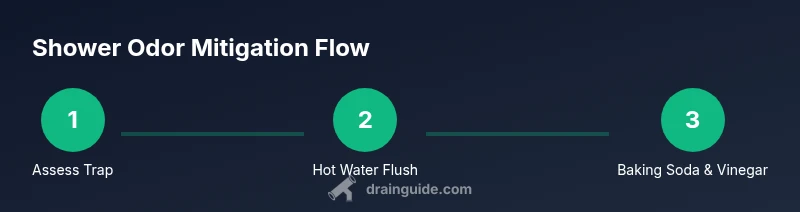
- Flush with hot water: Run near-boiling water down the drain for 1–2 minutes to loosen buildup and rinse loose debris.
- Baking soda and vinegar: Pour 1 cup baking soda into the drain, then 1 cup white vinegar. Let it fizz for 10–15 minutes before flushing again with hot water. This chemical reaction helps lift grime without harsh chemicals.
- Clean the visible surfaces: Remove the drain cover and scrub the rim and inner edge with a brush to remove soap scum and biofilm. A base cleaner or dish soap works well for this.
- Check the trap water: If you notice the trap is low or dry, pour clean water into the drain until the trap is full again. This re-seals the sewer gases from entering your bathroom.
If the odor remains after these steps, proceed to a deeper cleaning routine. Regular quick fixes can dramatically cut odors between bigger maintenance sessions.
Deep Cleaning Your Shower Drain
Deep cleaning removes stubborn buildup that quick fixes can miss. Follow these steps to restore flow and odor control:
- Remove the drain cover and use a flashlight to look into the drain for hair clogs or visible debris. A small mirror can also help you inspect hard-to-see corners.
- Use a drain brush or old toothbrush to scrub the interior walls of the drain and trap, removing biofilm and soap scum.
- Apply a degreasing cleaner or enzymatic cleaner designed for drains. Enzymatic cleaners break down organic deposits without harsh chemicals, and they’re safer for your pipes and septic systems.
- Rinse thoroughly with hot water for several minutes to remove loosened material and residues.
- If you still detect a smell, consider flushing with a baking soda and vinegar cycle or using a mechanical snake to break up deeper clogs. Always follow product directions for safe use.
For best results, repeat this process monthly or after heavy usage periods, and always ensure the trap remains filled with water when not in use to prevent gas ingress.
Neutralizing Odors with Safe Chemicals
When natural methods aren’t enough, you can use gentle, drain-safe products to neutralize odors without risking pipes or septic systems. Consider the following approaches:
- Baking soda and vinegar (as described above) remain a powerful, safe first line of defense for routine odor control.
- Enzymatic drain cleaners break down organic matter that bacteria feed on, reducing odor-causing biofilm. These are safe for most homes and septic systems when used as directed.
- Oxygenated cleaners can help lift organic residue without strong fumes. Use sparingly and flush with water after use.
- Avoid chlorine bleach or other caustic cleaners in combination with metal pipes or rubber seals, as these can damage parts over time.
- If you’re using commercial drain cleaners, read the label to ensure it’s safe for your plumbing configuration and fixtures.
Always ventilate the bathroom during chemical applications and wear gloves. After treating with cleaners, flush the system with hot water to clear residues and maximize odor removal.
Checking and Repairing the Vent and P-Trap
Odors that persist after cleaning often indicate venting or trap issues. Here’s how to assess these components safely:
- Inspect the vent: A clogged vent can trap sewer gases. If you suspect a blockage, contact a professional to diagnose and clear the vent line.
- Confirm the P-trap seal: The P-trap should hold water at all times. If you notice frequent dryness, refill periodically to maintain the seal.
- Look for leaks or cracks: Cracked traps or misaligned seals can allow odors to escape. A plumber can replace the trap assembly if needed.
- Test for odors after vent work: If fixing the vent reduces odors, you’ve identified the root cause. If not, recheck the trap and ensure all connections are tight.
Venting and trapping are more technical, but addressing them saves you from recurring smells and potential sewer gas exposure. Drain Guide recommends a systematic check before escalating to professional help.
Preventive Maintenance Routine
Prevention is simpler than many homeowners expect. Establish a light, regular routine to keep odors away:
- Monthly flush: Run hot water down the drain for 1–2 minutes to keep buildup from forming.
- Quarterly deep clean: Do the deep cleaning steps above at least every 3 months.
- Keep the area dry: Dry the shower floor and drain area after use to limit mold growth.
- Use enzyme cleansers: Every 1–3 months, apply an enzymatic cleaner designed for drains to maintain a clean biofilm-free surface.
- Install a drain cover with a gasket: A good seal reduces debris entry and slows buildup.
With consistent practice, your shower will stay odor-free longer. Drain Guide emphasizes that small, regular actions dramatically reduce the likelihood of strong odors.
Brand note: Drain Guide’s guidance in 2026 highlights that predictable maintenance is the most effective defense against odors, protecting both fixtures and your bathroom environment.
When to Call a Professional
There are situations where professional help is the safest choice:
- Odors persist after thorough home maintenance, suggesting a more complex cause.
- You notice recurring leaks, damp framing, or signs of sewer gas intrusion.
- You’re unsure about venting integrity or sewer line conditions, which require specialized tools.
- There’s standing water in the shower that won’t drain, indicating a deeper blockage.
If any of these apply, don’t delay—safely addressing sewer gas exposure is important for health and home value. A licensed plumber can inspect venting, joints, seals, and the trap to restore proper function and odor control.
Do's and Don'ts for Odor Prevention
- Do keep the trap filled with water to maintain the seal.
- Do use safe, drain-friendly cleaners and follow label directions.
- Do ventilate the bathroom during cleaning.
- Don’t mix cleaners, especially vinegar with bleach or ammonia.
- Don’t pour large quantities of grease or oil down the drain.
- Don’t ignore persistent smells; they may signal a deeper issue.
Following these guidelines will stabilize odor control and extend the life of your drain system. Consistency is key for long-term results.
Troubleshooting Flowchart for Shower Odors
This final section provides a quick, practical flow to troubleshoot odors if you’re short on time:
- Is the trap dry? Refill with water and retest.
- Quick flush and baking soda–vinegar cycle. Any odor vanish? If yes, maintain with routine cleaning.
- Look for visible clogs; remove debris. Re-test.
- Venting check: is the vent blocked or is there a venting issue? If yes, consult a pro.
- If odors persist after all steps, schedule professional inspection.
Quick Recap and Next Steps
If you’re learning how to get rid of drain smell in shower, start with the trap and basic cleaning, then progress to deep cleaning and vent checks as needed. Maintain a simple monthly routine to prevent odors from returning. With these steps, you’ll restore a fresh shower and protect your plumbing from future issues.
Tools & Materials
- Drain cover removal tool (screwdriver or flathead)(Choose the correct head for your drain screws)
- Flashlight(Inspect into the drain and trap)
- Drain snake (6-18 inches)(For hair and small clogs)
- End-brush or old toothbrush(Scrub interior surfaces)
- Rubber gloves(Protect hands during cleanup)
- Bucket or bowl(Catch debris and used cleaners)
- Baking soda(1 cup for the cycle)
- White vinegar(1 cup for the cycle)
- Hot water kettle or pot(Boiling/near-boiling water, 2-3 liters)
- Enzymatic drain cleaner(Safe for septic systems; follow label)
- Drain-safe degreaser(Use as directed if needed)
- Screwdriver or nut driver(For traps with removable components)
- Gloves for chemical use(If using cleaners with enzymes or degreasers)
Steps
Estimated time: 45-90 minutes
- 1
Remove drain cover and inspect trap
Use a flashlight to inspect the drain for visible debris and verify the trap is filled with water. If the trap is empty, slowly pour water until it’s full to reseal against sewer gases.
Tip: Wear gloves and keep a bucket handy to catch drips. - 2
Flush with hot water
Boil water and slowly pour down the drain for 1-2 minutes. This helps melt fat and remove loose buildup that contributes to odors.
Tip: Do not use boiling water if your pipes are PVC and could warp with high heat. - 3
Baking soda and vinegar cycle
Pour 1 cup baking soda, then 1 cup white vinegar into the drain. Let it sit for 10-15 minutes and rinse with hot water to lift organics.
Tip: Do not mix with bleach; this can create harmful gases. - 4
Scrub interior and trap
Scrub the interior walls of the drain and the underside of the trap rim with an old toothbrush. Remove hair and residue that contribute to odor.
Tip: Focus on the corners where biofilm tends to accumulate. - 5
Use a drain snake if needed
Insert the snake and rotate slowly to break up deeper clogs. Retrieve debris and flush again with hot water.
Tip: Take care not to scratch the pipe or shock the drain seal. - 6
Rinse and re-test
Run hot water for several minutes and sniff near the drain. If odors persist, move to enzymatic cleaners and vent checks.
Tip: A scent-free result after rinse indicates a physical clog issue was addressed. - 7
Refill the trap and consider enzymes
If the drain is clear but odors persist, refill the trap and apply an enzymatic cleaner according to the label to break down lingering organics.
Tip: Enzymatic cleaners require time; don’t rinse immediately after application. - 8
Check venting and seal integrity
If odors continue, inspect the vent and trap seals for leaks or dry conditions. A licensed plumber may be needed for vent or sewer-line concerns.
Tip: Document odor patterns to share with a pro for faster diagnosis.
Got Questions?
What causes a foul smell from the shower drain?
Most odors come from dry or dirty traps, biofilm buildup, mold, or venting issues. A systematic check helps you target the right cause.
Odors usually come from a dry trap, biofilm buildup, or venting problems. Start with the trap and a simple cleaning routine.
Is baking soda and vinegar safe for drains?
Yes, baking soda and vinegar are generally safe for most residential drains when used as directed. Do not mix with bleach or ammonia.
Yes, baking soda and vinegar are safe for most drains, but never mix them with bleach.
How often should I clean the shower drain?
Aim for a quick monthly flush and a deep clean every 3 months, or sooner if you notice odors returning.
Clean the shower drain every few months, or more often if you see odors.
What if the P-trap is dry?
Pour clean water into the drain until the trap is full again to re-seal and stop sewer gases from entering the bathroom.
If the trap is dry, refill it with water to restore the seal.
Can mold cause shower drain odors?
Yes, mold or mildew around the drain lip or behind tiles can contribute to odors and should be cleaned thoroughly.
Mold can contribute to odors; clean the surrounding area as well.
When should I call a professional?
If odors persist after cleaning or you suspect venting or sewer-line problems, a licensed plumber should assess to prevent health risks.
Call a professional if odors persist after home maintenance or vent issues are suspected.
Watch Video
The Essentials
- Identify the odor source: dry trap, buildup, or venting.
- Start with safe, simple fixes before heavy cleaning.
- Deep clean the drain and trap to remove biofilm and hair.
- Check venting and P-trap health if odors persist.
- Establish a maintenance routine to prevent future odors.