How to Make Drain Smell Better: Safe, Simple Fixes for Homeowners
Learn practical, safe methods to remove drain odors, choose proven cleaners, and build a simple maintenance routine that keeps kitchen and bathroom drains smelling fresh for homeowners.


To make drain smell better, clean and deodorize the trap and pipes, remove organic buildup, and flush with hot water or a baking-soda-vinegar treatment. Start by clearing blockages, then use baking soda followed by boiling water, or an enzymatic cleaner for ongoing maintenance. Finish with regular hot-water flushes to prevent recurrence.
Common Odor Causes in Household Drains
According to Drain Guide, most kitchen and bathroom drain odors originate from slow-decomposing organic matter that collects in the P-trap, sink bend, or along the pipe walls. When water flow is sluggish, anaerobic bacteria feed on fats, proteins, and hair, releasing sulfur compounds that produce rotten-egg scents. Poor venting, dry traps, and partial clogs can also force sewer gases back into living spaces. Identifying the source matters: a dry P-trap smells worse after you run water and then it goes quiet; a clogged drain emits a noticeable sulfur-like odor even when water is flowing. By understanding these origins, you can address both the symptom (the smell) and the cause (the buildup) in a safe, measured way. Drain Guide’s analyses emphasize starting with non-chemical methods and reserving cleaners for targeted spots to protect pipes, soil, and ecosystems.
In multi-sink homes, odors can migrate between fixtures due to shared drainage paths, making precise diagnosis essential. If you share a vent stack with a bathroom or laundry, a single odor issue can appear across several drains. Always test one fixture first, observe results, and then proceed to others. This helps prevent unnecessary chemical use and protects your plumbing from avoidable wear.
Safe Deodorizing Methods That Really Work
The safest first-line approach emphasizes mechanical cleaning and routine flushing before resorting to caustic chemicals. A simple baking soda and hot water treatment can disrupt odor-causing slime and lift grease from pipe walls. Start with a 1/2 to 1 cup baking soda pour into the drain, then flush with a kettle-full of near-boiling water. If you prefer a fizzing effect, add white vinegar after the baking soda; the fizz can help lift residue from the trap and pipe joints. After the fizzing settles, flush again with hot water to clear loosened debris. Enzymatic cleaners are another option for ongoing maintenance; they work best when used on a dry stretch of pipe or after a household heavy-clean, and they won’t corrode metal or plastics. Avoid mixing cleaners, especially bleach with ammonia or acids, as hazardous gases can form. Drain Guide notes that the combination of heat, basic cleaners, and enzymes provides a balanced, non-abrasive approach.
Lemon or citrus peels can add a fresh scent, but they don’t replace a thorough cleaning. If you’re dealing with stubborn odors, you can extend the routine by adding a weekly hot-water flush and a monthly enzymatic treatment. Always supervise pets and children during treatments and ensure adequate ventilation.
P-Trap, Vents, and What They Do for Odors
A working P-trap holds water as a barrier to sewer gas; when it dries out, you’ll notice odors. Keeping the trap full is a simple, reliable deodorant: run hot water or a kettle to replace the water in the trap after long periods of inactivity. Vents equalize air pressure and prevent siphoning; if a vent is blocked, air may be forced back through the drain, carrying smells with it. Signs of vent problems include gurgling sounds, slow draining, or air smells around the drain cover. In some homes, vent valves (air admittance valves) can be installed to balance pressure without extending ductwork. If you notice recurring odors despite a full trap, consider inspecting the vent path or calling a professional to assess the plumbing layout. Drain Guide’s team reminds readers that simple vent checks can resolve odor issues without expensive interventions.
For more complex layouts, a combination of trap maintenance and vent inspection yields the best odor control.
How to Plan a Sink Drain Odor-Reduction Session
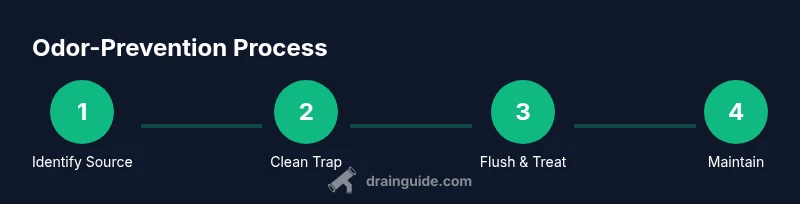
A structured approach helps you tackle odors without guesswork. Start by removing standing water, then inspect the P-trap for buildup. Clean any visible gunk from the trap with a stiff brush and a mild dish soap solution, rinse, and reinstall carefully. Next, perform a hot-water flush to push debris through the line. If odors persist, introduce a baking soda flush followed by hot water, and consider an enzymatic cleaner for deeper digestion of organic matter. Throughout the process, keep a bucket and towels handy to manage spills and keep the area sanitary. Drain Guide’s practical guidance favors methodical cleaning and minimal chemical exposure, which extends the life of seals and joints.
Record anything you notice—leaks, loose connections, or missing washers—and address them promptly. Documenting your routine also helps you track improvements over time.
Enzymatic Cleaners vs. Chemical Cleaners: Choosing the Right Tool
Enzymatic cleaners break down proteins, starches, and fats biologically, making them especially useful for drains that repeatedly odor after meals or showers. They’re typically gentler on pipes and safer for septic systems than harsh chemicals. Chemical drain cleaners, while effective on stubborn clogs, can damage plastic pipes and wear metal components if misused. When odors persist after basic cleaning, a targeted enzymatic treatment can restore balance without risking pipe integrity. Drain Guide recommends reading labels carefully: check the active ingredients, compatibility with septic systems, and the contact time required for best results.
If you suspect a more serious blockage (solid masses, hair accumulations in long runs), consider a mechanical approach (drain snake) before chemical options.
Maintenance Routines That Keep Odors at Bay
Prevention is easier than remediation. Establish a regular maintenance schedule that includes weekly hot-water flushes, monthly enzymatic treatments, and periodic trap inspections. Each fixture benefits from a quick rinse after use for food preparation areas or showers to minimize residue buildup. In kitchens, promptly cleaning grease traps and disposing of leftovers into the trash reduces accumulation within the pipes. Bathrooms benefit from brushing the pop-up stopper and cleansing the overflow to prevent mold and slime. A small, reusable checklist kept near the sink can remind family members to practice odor-preventing habits. Drain Guide emphasizes consistency; even a modest routine can dramatically reduce odor recurrence over time.
Additionally, consider a routine professional inspection if odors return despite your best efforts.
What to Do If Odors Persist: Troubleshooting Checklist
If odors persist after these steps, re-check the P-trap for a dry or cracked seal. A partially clogged drain may require a gentle plunger or a drain snake to restore flow before re-testing odor levels. Check nearby fixtures for shared vents or plumbing blocks, which can spread smells through the system. If you smell sewer gases, this could indicate a more serious issue—contact a licensed plumber to assess seals, vents, and possible sewer-line problems. In septic systems, a foul odor can signal a full tank or a failed leach field; do not delay service if you suspect septic trouble. Drain Guide advises documenting symptoms and steps tried, which helps professionals pinpoint root causes quickly.
Safety Considerations and Environmental Notes
Always protect skin and eyes when handling cleaners, and avoid mixing chemicals. Do not pour hot oil or grease down the drain; it solidifies inside pipes and worsens odors and clogs. When using enzymatic cleaners, follow the label’s safety instructions and avoid exposing pets to concentrated solutions. If you have a garbage disposal, run it with cold water and lemon scraps rather than chemical cleaners alone to refresh odors. Environmentally friendly products generally reduce risk to septic systems and waterways. Drain Guide’s approach prioritizes user safety and long-term pipe health over quick, harsh fixes.
Quick Maintenance Schedule for Your Drains
Create a simple, repeatable plan: weekly hot-water flushes, monthly enzymatic treatment, quarterly trap checks, and annual professional inspections. Customize it to your household’s usage: kitchens with heavy cooking residues may benefit from more frequent cleanings, while bathrooms with lower traffic can maintain with gentler routines. Maintain a log of dates and observations to identify patterns. A consistent routine minimizes surprises and keeps drains smelling fresh, aligning with Drain Guide’s recommended practices for durable, odor-free plumbing.
Tools & Materials
- gloves (rubber or latex)(Protect hands during cleaning)
- baking soda(3/4 to 1 cup for initial treatment)
- white vinegar(For fizzing and deodorizing effects)
- hot water(Near-boiling water from kettle or pot)
- lemon juice or lemon rind(Optional fresh scent)
- enzymatic drain cleaner(Choose non-caustic, septic-safe formula)
- drain snake (unclogger)(For stubborn clogs)
- plunger(Useful for initial clog checks)
- bucket(Catch water when removing the trap)
- brush (old toothbrushes)(Scrub trap and fittings)
- mild dish soap(For cleaning soak and rinse)
Steps
Estimated time: 60-90 minutes
- 1
Prepare and protect the workspace
Clear the area around the sink, lay towels, and gather all tools and cleaners. Wear gloves and keep a bucket handy to catch spills. This minimizes mess and protects surfaces.
Tip: Have a towel ready and test cleaners on a small area first to ensure compatibility. - 2
Remove the P-trap and inspect
Place a bucket beneath the trap, loosen the fittings, and carefully remove the U-shaped pipe. Look for hair, grease, or food particles and clean the trap thoroughly.
Tip: Take a photo of the fittings before removing so you can reassemble correctly. - 3
Clean the trap and nearby pipe surfaces
Scrub the trap with soapy water and a stiff brush. Wipe the trap arm and accessible pipe sections to remove buildup that contributes to odors.
Tip: Rinse the trap thoroughly to avoid soap residue that can trap more debris. - 4
Flush with hot water
Reinstall the trap loosely, then run near-boiling water through the system to push debris out of the pipes. Repeat if necessary until water runs clear.
Tip: Avoid boiling water directly poured onto plastic parts if you’re unsure of material tolerances. - 5
Apply baking soda and vinegar treatment
Pour baking soda into the drain, then add white vinegar to create fizz. Let it sit for several minutes, then flush with hot water to clear loosened debris.
Tip: Do not mix in enclosed spaces or with bleach; ensure good ventilation. - 6
Use enzymatic cleaner for ongoing odor control
Apply an enzymatic cleaner according to label directions, ideally after a hot-water flush. This helps digest organic matter that reforms over time.
Tip: Choose septic-safe formulas if you have a septic tank. - 7
Reassemble and test the drain
Reconnect the P-trap securely, run water, and check for leaks. Watch for any slow drainage or new odors as a sign of residual issues.
Tip: Tighten fittings evenly to seal without over-tightening. - 8
Set a maintenance routine
Schedule weekly flushes and monthly enzymatic treatments. Keep a simple log and adjust frequency based on usage and odor persistence.
Tip: A consistent routine reduces recurrence and extends pipe life.
Got Questions?
What causes drain odors?
Odors typically come from organic buildup in the trap or pipes, dry traps, or venting issues. Bacteria break down residues, releasing sulfur compounds. Identifying the source helps tailor the fix, from simple flushing to trap replacement.
Odors usually come from buildup, a dry trap, or vent problems. Fix the source with cleaning, a water refill, or vent checks.
Can baking soda and vinegar fix a smell?
Yes, for many minor odors. The fizz helps lift grime, and flushing with hot water clears loosened debris. It’s a safe first step before enzymatic cleaners or mechanical methods.
Baking soda and vinegar can help lift grime; flush with hot water afterward to clear debris.
Is it safe to use enzymatic cleaners?
Enzymatic cleaners are generally safe for pipes and septic systems and work gradually to digest organic matter. They’re best used as part of a regular maintenance routine rather than as a quick fix for urgent odors.
Enzymatic cleaners are safe for pipes and septic systems and work over time.
When should I call a plumber?
Call a plumber if odors persist after a thorough cleaning, if you notice leaks, or if you suspect venting or sewer-line problems. Persistent odors may indicate a more serious issue.
If odors persist after cleaning or you see leaks, call a plumber.
Can a dry P-trap cause odors only after long gaps in use?
Yes. A dry P-trap loses its water seal when the fixture sits unused. Refilling with hot water or determining a leakage path to retain water can solve this issue.
A dry P-trap can cause odors after long gaps in use; refill with hot water.
Watch Video
The Essentials
- Identify odor sources in traps and vents before treatment.
- Prioritize safe, non-caustic methods first.
- Enzymatic cleaners help with ongoing odor control.
- Maintain a simple schedule to prevent recurrence.