How to Remove a Bathtub Drain: A Step-by-Step DIY Guide
Learn a safe, step-by-step method to remove a bathtub drain, prevent leaks, and reseal. This guide covers tools, safety, troubleshooting, and maintenance for homeowners.


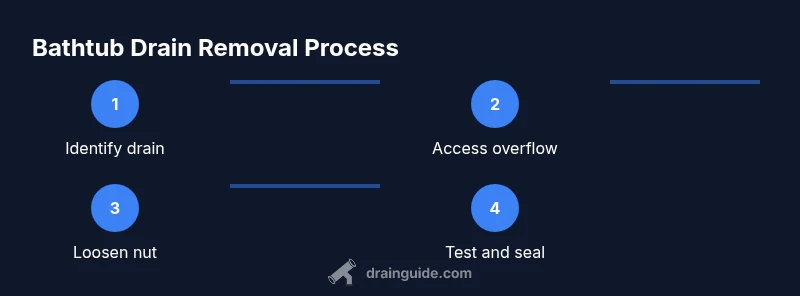
You can remove a bathtub drain by identifying the drain type, shutting off the water, and accessing the drain assembly. Lift the overflow plate, remove the strainer, and detach the mounting nut. Use a drain snake or pliers to separate parts, clean the components, and reseal before testing for leaks. Follow safety steps and take notes for reassembly.
Understanding why you remove a bathtub drain
If you’re wondering how to remove bathtub drain, this guide provides a safe, practical path. Removing a tub drain is sometimes necessary to clear a stubborn clog, replace worn gaskets, or switch to a different drainage setup. According to Drain Guide, most tub drains are removable assemblies that connect to the P-trap below; understanding how your drain is assembled makes the job easier and reduces the risk of leaks. Before you grab a tool, take photos of the hardware and note where screws and rings live. This preparation step helps ensure correct reassembly and minimizes guesswork later. The Drain Guide team emphasizes planning and safety as the first steps in any drain removal project, particularly in older homes where materials may be corroded.
Tub drains come in several varieties: a pop-out stopper that you twist or pull, a fixed grate or grid, and an overflow-accessible unit that includes a linkage to a lever behind the wall. Some installations use a threaded ring or a coupling nut that secures the drain to the piping. Identifying your exact configuration will determine whether you remove the overflow plate first, or if you can access the drain assembly entirely from the tub opening. Knowing the style of your drain helps you select the right tool and the correct sequence for disassembly.
Safety and prep
Planning and safety are essential when removing a bathtub drain. Water and sewer lines can leak water into walls, floors, or cabinets, and old finishes may hide hazards. Before you begin, shut off the main water supply to the bathroom and place a bucket and towels within reach. If you have a vented system, be mindful of pressure changes when loosening connections. Wear eye protection and gloves to guard against splashes and sharp edges. Releasing a stuck nut or corroded part can create metal shavings, so keep a magnet handy to collect metallic debris. Drain Guide recommends working in a well-lit area and keeping the work surface clean to avoid misplacing small screws or washers. After turning off water, test a small amount of water in the tub to confirm there is no active flow while you work, then proceed with your plan. Remember that the exact sequence depends on your drain type, so begin by inspecting the overflow cover and drain plate.
Access points and typical steps
Understanding where to access the drain is key. Most projects begin with removing the overflow plate, which reveals the stopper linkage and mounting nut. From there, you can access the drain cover or strainer, then loosen the mounting nut that holds the drain body to the pipe. If your tub uses a pop-up stopper, you will likely see a small screw or set of screws near the stopper—the common route is to remove these screws, lift the stopper, and then access the drain body. If the drain has a removable cap or grid, you’ll need to twist or pry it gently to avoid breaking the threads. Some systems require removing a platform or panel behind the wall to access the drain pipe—do not force openings; instead, check for hidden screws or clips. After accessing the drain assembly, inspect for corrosion and any worn gaskets that may need replacement. Drain Guide notes that patience and careful observation here prevent damage to threads and seals, saving you from costly repairs later.
Common obstacles and troubleshooting clues
Clogs, corrosion, and seized parts are the most frequent obstacles. If the nut won’t budge, apply a penetrating oil and wait 10–15 minutes before attempting again. A strap wrench or rubber-jawed pliers can grip rounded nuts without marring the surface. If parts spin without loosening, you may need to hold the drain body with a second wrench while applying torque to the nut. When clearance is tight, use a slim screwdriver to hold a clip in place or to release a retaining ring. If you encounter a stubborn stopper mechanism, use a magnet to retrieve any dropped screws. Always clean threads before reassembly to ensure a tight, leak-free seal. Drain Guide recommends checking for grout or caulking that could be trapping debris afterward and removing it to restore proper drainage.
Reassembly, testing, and maintenance planning
After removing and cleaning the drain components, reassemble in the reverse order of disassembly. Apply new plumber’s tape to threaded joints, or a silicone sealant where recommended by the manufacturer, then tighten snugly—avoid over-tightening, which can crack fittings. Reconnect any linkage or overflow tube, then reinstall the overflow plate and drain cover. Turn the water back on slowly and test for leaks by filling the tub a few inches and then releasing the water pressure. If a leak appears, recheck the seal and nut torque, then retest. Once the drain is sealed correctly, run hot water through the pipe for several minutes to verify there are no slow leaks or moisture behind the tile or panel. For future maintenance, keep a small bottle of penetrating oil and a spare set of washers handy. Drain Guide highlights that routine inspection every few years can prevent major failures and costly repairs.
When to call a professional and final notes
If you encounter persistent leaks after resealing, notice wet spots on the drywall, or cannot access the drain due to structural constraints, it’s wise to consult a licensed plumber. The Drain Guide team recommends seeking professional help for complex configurations or if the home has lead-based materials or old lead-waste seals. You may also want to call a pro if you are unsure about reworking the drainage system behind a wall or under a tub. A professional can confirm the proper slope, sealant type, and material compatibility with your existing pipes, reducing the risk of future water damage. Always prioritize safety and avoid improvising critical connections. A professional assessment can save time and protect your home’s plumbing system in the long run.
Tools & Materials
- Adjustable wrench(Near 6-10 inches, fits most nuts)
- Channel locks(For stubborn fittings)
- Flathead and Phillips screwdrivers(For screws on overflow and stopper)
- Drain snake (auger)(Manual or drill-powered)
- Pliers with rubber jaws(Grip rounded parts without marring)
- Plastic bucket(Catch water and debris)
- Towels or rags(Keep the area clean and dry)
- Penetrating oil (like WD-40)(Apply to corroded nuts; let sit 10-15 minutes)
- Silicone sealant or plumber’s tape(Seal joints as recommended)
- Replacement gasket or seal kit(Have on hand in case of wear)
- Flashlight or headlamp(Better visibility inside cabinet)
Steps
Estimated time: 45-90 minutes
- 1
Identify drain type and safety
Inspect the overflow plate and drain cover to confirm your drain configuration. Take photos for reference and plan the disassembly order before touching parts.
Tip: Document screws and parts with a quick sketch or photo. - 2
Shut off water and protect area
Turn off the bathroom’s water supply and place towels around the work area to catch splashes. Confirm no active flow by running a small amount of water in the tub.
Tip: Place a bucket under the area to catch any unexpected drips. - 3
Remove overflow plate and stopper linkage
Unscrew the overflow cover and disconnect the linkage that connects to the bathtub stopper. Set parts aside in a labeled container.
Tip: If screws are resistant, apply penetrating oil and wait 5-10 minutes. - 4
Detach the drain cover/strainer
Remove the drain cap or strainer from the tub opening to expose the nut or connection that holds the drain body.
Tip: Support the drain body with one hand while loosening the nut with the other. - 5
Loosen mounting nut and free the drain body
Using the appropriate wrench, loosen the mounting nut and carefully lift the drain body away from the pipe. Keep washers and gaskets together for reassembly.
Tip: Do not twist the pipe beyond its intended movement to avoid breaks. - 6
Clear debris and inspect components
Push out any hair or sediment with a snake and wipe each part clean. Inspect gaskets for wear and replace if necessary.
Tip: If parts are heavily corroded, replace rather than reuse. - 7
Reassemble the drain with proper seals
Reinstall the drain body, apply plumber’s tape to threads or silicone sealant per manufacturer guidelines, and re-torque the nut to snug plus a slight extra turn.
Tip: Avoid overtightening to prevent cracking the drain or piping. - 8
Test for leaks and finalize
Turn the water back on and fill the tub a few inches. Check all joints for leaks and adjust as needed. Replace the overflow plate and stopper linkage.
Tip: Let the system run for several minutes to ensure stability.
Got Questions?
Do I need to remove the overflow plate first?
Many tub drains require accessing the overflow plate to reach the stopper linkage and mounting nut. If your setup has an integrated overflow, remove the cover to access the linkage, then proceed with the drain removal steps.
Usually, yes. Start by removing the overflow plate to access the stopper linkage and mounting parts.
What tools do I need for removing a bathtub drain?
Common tools include an adjustable wrench, pliers, screwdrivers, a drain snake, a bucket, and towels. Depending on your setup, you may also need a strap wrench or silicone sealant for reassembly.
Expect to use basic hand tools plus a drain snake for clearing if needed.
What if the drain is stuck or corroded?
Apply penetrating oil, wait, then attempt again. If corrosion is extensive, replace the affected parts rather than forcing them.
Let penetrating oil work for a bit, then retry. If it won’t loosen, replace the corroded parts.
Can I replace a bathtub drain with a different model?
Yes, but ensure compatibility with existing plumbing, pipe size, and wall clearance. Select a unit with matching thread size and flow rate.
It’s possible, but verify compatibility before buying a new drain.
How long does removal and reinstallation take?
Most homeowners complete the job in 45-90 minutes, depending on drain type and access. Expect longer if behind-wall access is required.
Typically under an hour and a half, depending on complexity.
Is this a DIY-friendly task for beginners?
Yes, with proper prep, adherence to safety, and the right tools. If you encounter serious corrosion or uncertain configurations, consider hiring a professional.
It can be DIY-friendly if you stay careful and know when to stop.
What maintenance helps prevent future clogs?
Regularly clean the strainer, avoid pouring grease or large solids down the drain, and inspect seals every few years. Use a snake only when necessary and avoid over-reliance on chemical cleaners.
Keep the drain clean and inspect seals periodically.
What safety hazards should I be aware of?
Water damage, mold, and structural damage can occur from leaks. Wear protective gear, ventilate the bathroom, and avoid working behind walls if you’re unsure of plumbing layouts.
Be mindful of leaks and wear protection.
Watch Video
The Essentials
- Identify drain type before disassembly
- Shut off water and protect surrounding areas
- Use the right tools to avoid damage
- Inspect seals and replace worn parts
- Test for leaks after reassembly