How to Take Tub Drain Out: A Step-by-Step Guide
A thorough, safe, and practical guide to removing a bathtub drain for cleaning or replacement. Learn the tools, step-by-step process, safety tips, and leak-prevention methods from Drain Guide to help homeowners complete the task confidently.


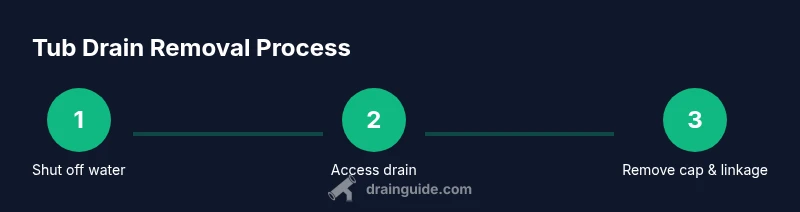
To take tub drain out, you’ll safely remove the drain assembly for cleaning or replacement. Start by turning off the hot and cold water supply and removing any access panel or trim. Then unscrew the drain cap, detach the stopper linkage, and lift the assembly free. This guide covers required tools, safety considerations, step-by-step actions, and leak-prevention tips.
Anatomy of a Tub Drain and Removal Basics
Removing a tub drain starts with understanding its parts. Most tub drains consist of a drain body screwed into a flange, a gasket or plumber's putty seal, an overflow linkage behind the wall, and a cap or stopper at the top. In some homes, the overflow plate is attached to a trip lever, while others use a simple cap that threads onto the drain. To take tub drain out, you will typically access the drain from the overflow opening or an access panel, loosen the nut that holds the drain to the tub, and lift the assembly out.
According to Drain Guide, many tub drains share a common interface: a threaded mounting nut on the drain body, a gasket to seal against the tub surface, and a tailpiece connecting to the stopper linkage. This commonality means the basic removal steps are similar across many setups, though specific hardware can differ by manufacturer. Understanding this helps you avoid damage when turning, pulling, or prying parts. Always work slowly and test fit as you go to prevent stripping threads or cracking the tub.
Tools and Safety You Must Prepare
Before you begin, assemble the essential tools and review safety steps. The tools you’ll typically need include an adjustable wrench, channel-lock pliers, a screwdriver, a small bucket, towels, and a flashlight for dark corners. PPE matters: wear sturdy gloves to protect your hands from sharp metal edges and avoid slipping on wet surfaces. Also prepare penetrant oil for stuck threads, and a replacement drain kit if you’re planning to upgrade. Check the tub materials; fiberglass and acrylic surfaces can scratch easily, so use plastic tools where possible. Clear the area: move rugs, remove personal items, and place a towel along the edge of the tub to catch minor drips. Drain Guide recommends taking time to map connections before you touch anything, so you don’t reassemble incorrectly later.
Accessing the Drain and Preparing the Area
Start by turning off the water supply to the bathroom (and if possible, the house main supply) to prevent any accidental flow while you work. Remove the overflow plate or access panel; you may need a screwdriver or a small pry tool. Use a bucket to catch any standing water in the drain or overflow channel. Inspect the linkage that connects the stopper to the drain; note its orientation so you can reinstall it correctly. Wipe the area clean to see threads clearly. If the tub has a separate access behind a vanity or cabinet, ensure you have adequate lighting and room to maneuver. Keep a dry rag to wipe off any moisture on metal parts to avoid corrosion.
Common Issues You Might Encounter During Removal
Many tub drains come off without much resistance, but you may encounter stubborn nuts, corroded threads, or a misaligned stopper linkage. If the drain cap is painted or corroded, use penetrating oil and let it soak for several minutes before attempting to loosen. Do not force parts; applying excessive torque can strip threads or crack a tub surface. For sluggish drains, you may need to operate the stopper linkage to release the cap. If you encounter a stuck overflow plate, carefully pry around the edges with a plastic tool and apply heat or solvent only if specified by manufacturer. In some cases, the drain might be held by a hidden clip; consult the manufacturer’s instructions before forcing removal.
Cleaning, Inspecting, and Deciding Replacement Parts
With the drain body removed, thoroughly clean the flange, gasket surface, and stopper assembly. Look for cracks, rust, or worn gaskets; replace any damaged parts rather than reusing them. If you replace the drain, choose a unit that matches your tub’s material and the existing plumbing size. Install the gasket or plumber’s putty according to manufacturer instructions; ensure the drainage path is clear of debris. Re-check alignment of the stopper linkage so it moves freely and seats properly. Keep in mind the potential for minor leaks at the first filling; plan for a brief test after reassembly.
Reassembly and Leak Prevention After Removal
Reinstall the drain assembly in the reverse order you removed it. If you’re using plumber’s putty, apply a small amount to the drain flange before tightening; wipe away any excess sealant. If you’re using silicone sealant, apply a thin bead around the flange per manufacturer directions. Tighten the mounting nut just enough to create a watertight seal; over-tightening can crack the tub or damage threads. Reconnect the overflow linkage and secure any screws. Finally, reinstall the overflow plate and test the drain by slowly filling the tub. Watch for drips around the flange and under the tub; address leaks promptly to prevent water damage.
Maintenance and When to Seek Help
For most homeowners, removing a tub drain is a straightforward DIY task, but not all tubs react the same to hardware changes. If you notice recurring leaks after resealing or you cannot remove the drain without risk of damage, it’s time to call a licensed plumber. Drain Guide Team notes that improper resealing is a common source of leaks, so consider professional help if you’re unsure. After you complete the job, perform routine maintenance: every 6–12 months check seals and gaskets, clear hair buildup in the drain area, and store spare parts for future repairs. Regular preventive care reduces the chance of costly water damage.
Tools & Materials
- Work gloves(Leather or heavy-duty gloves to protect from sharp edges)
- Bucket(To catch water and debris)
- Adjustable wrench(For loosened nuts on drain body)
- Channel-lock pliers(Grip and turn stubborn fittings)
- Screwdriver set (Phillips and flathead)(For screws on overflow plate or drain cap)
- Plumber's putty(For resealing drain flange on metal tubs)
- Silicone sealant(Alternative to putty for some materials)
- Towel or rag(Dry area and clean up spills)
- Replacement drain assembly (optional)(If replacing the whole unit)
- Penetrating oil (e.g., WD-40)(Loosen stubborn threads; apply 5–10 minutes before attempts)
Steps
Estimated time: 60-120 minutes
- 1
Shut off water and prep area
Turn off the bathroom water supply and lay towels around the tub. Remove the overflow plate to access the stopper linkage. Clear the area of all items to create a safe, dry workspace.
Tip: Photograph connections before you remove anything. - 2
Remove overflow plate or trim
If your tub uses an overflow plate, remove it with the appropriate screwdriver. This reveals the stopper linkage that connects the stopper to the drain body. Keep screws organized for easy reinstallation.
Tip: Store screws in a labeled container to avoid losing them. - 3
Loosen the drain cap and linkage
Loosen the drain cap and detach the stopper linkage from the drain body using a wrench or pliers. Have a bucket ready to catch any water that may spill. Do not force parts that feel stuck.
Tip: Apply penetrating oil to stubborn threads and wait briefly before retrying. - 4
Detach the drain body
Grip the drain body with pliers and twist counterclockwise to unscrew it from the tub. If needed, gently pry the flange outward, taking care not to damage the tub surface.
Tip: Work slowly to avoid scratches or cracks on the tub. - 5
Clean and inspect components
Remove the drain assembly and clean all parts. Check for worn gaskets, cracks, or rust; replace damaged parts rather than reusing them.
Tip: Match old parts to a replacement kit to ensure a proper fit. - 6
Reinstall drain and seal
Reinsert the drain assembly, applying plumber’s putty or silicone sealant as appropriate. Tighten the mounting nut until the seal is watertight without forcing the parts.
Tip: Avoid over-tightening; a snug fit prevents leaks and damage. - 7
Test for leaks
Restore water and fill the tub slowly to check for leaks around the drain. If you see moisture, tighten slightly and recheck. Reinstall the overflow plate after a successful test.
Tip: Keep towels handy during the initial uses after reassembly.
Got Questions?
What tools do I need to take out a tub drain?
Key tools include a wrench, pliers, screwdriver, bucket, towels, and a replacement drain kit if needed. Use penetrating oil for stubborn threads and wear gloves for protection.
Grab a wrench, pliers, screwdriver, bucket, and towels, plus a replacement kit if needed. You may also use penetrating oil for tight parts.
Can I remove a tub drain without removing the tub itself?
In many cases you can access the drain via the overflow plate and access panel. If the tub is solidly installed, you may need professional help to avoid damage.
Usually you can access the drain through the overflow plate, but some setups require more access.
What should I do if the drain won't unscrew?
Apply penetrating oil and let it soak for several minutes. Use a strap wrench or locking pliers with careful pressure, avoiding damage to the tub.
Try penetrating oil and a strap wrench, letting it sit before trying again.
How can I prevent leaks after reinstalling a tub drain?
Seal the joint with plumber’s putty or silicone where appropriate and ensure the nut is snug but not over-torqued. Test with water before normal use.
Seal the connection and test for leaks before regular use.
Is tub drain removal safe for fiberglass tubs?
Yes, but take care to avoid gouges or cracks. Use soft clamps and avoid metal scrapers on fiberglass surfaces.
Fiberglass is safe if you’re careful with tools and avoid sharp metal edges.
Watch Video
The Essentials
- Identify drain type before removal and plan the teardown
- Shut off water and protect the workspace to stay safe
- Use the correct tools to avoid damage
- Inspect all gaskets and seals and replace worn parts
- Test the drain after reassembly and monitor for leaks