How to Unclog a Bathroom Sink Drain: A DIY Guide
Learn safe, practical steps to unclog a bathroom sink drain. This guide covers stopper removal, plunging, drain snakes, baking soda flushes, and maintenance to prevent future clogs.


You can unclog a bathroom sink drain using a few common DIY methods: remove the stopper, clear visible debris, plunge the drain, and, if needed, use a drain snake or a baking-soda flush. Prefer mechanical methods over chemical cleaners, and avoid rushing to disassembly. If the clog persists after 60 minutes, stop and consider professional help.
What Causes Bathroom Sink Clogs
Clogs in bathroom sinks are a common annoyance, but they usually develop from everyday habits. Hair, soap scum, toothpaste, and mineral buildup can accumulate in the drain and trap, gradually narrowing the passage until water drains slowly or stops. According to Drain Guide, hair and soap buildup are frequent culprits in residential bathrooms. Recognizing these causes helps you choose a safe, effective method to restore flow without unnecessary disassembly. This section sets the stage for a practical, step-by-step approach that stays away from harsh chemicals and emphasizes mechanical fixes you can perform with common tools.
Knowing the typical culprits also helps you prevent future clogs. Regular stopper cleaning, using a hair catcher on the drain, and flushing the line with hot water are simple habits that make a big difference over time. If your sink is older or shows signs of corrosion, plan to inspect the tailpiece and trap during the process to avoid surprises when you disassemble.
Safety First: When to DIY and When to Call a Pro
DIY fixes are appropriate for straightforward clogs that don’t involve sewage backups or persistent foul odors. Always wear gloves and eye protection, and be mindful of the plumbing under the sink. If you notice water backing up into other fixtures, sewage smells, or if plunging and snaking fail to clear the drain, stop and call a licensed plumber. Drain Guide Analysis, 2026 emphasizes avoiding chemical drain cleaners in bathroom sinks, as they can damage pipes and traps and create hazardous fumes. Instead, prioritize mechanical methods and safe techniques, and seek professional help for complex blockages or compromised pipes. This approach minimizes risk and protects your home’s plumbing for the long term.
For households with older pipes or hard water buildup, a professional inspection can prevent cascading issues. The core idea is simple: if basic tools don’t clear the drain quickly, it’s better to escalate before causing a leak or a bigger mess.
Tools You'll Need (and How They Help)
Having the right tools ready keeps your workflow smooth and reduces mess. A dedicated sink plunger creates a better seal on the basin, while a drain snake can reach deeper clogs you cannot dislodge by plunging alone. A bucket captures water when you remove the trap, and gloves protect your hands. An adjustable wrench helps detach the P-trap if needed, and towels absorb spills. Optional items like baking soda and hot water provide a gentle flush that can clear minor buildups without harsh chemicals. With the right tools, you can maximize your odds of clearing the clog in one session and minimize spills.
Before you start, check your local hardware store for a compact drain snake designed for sinks. If you’re unsure about the correct size for your pipe, a staff member can help you choose the right tool. Take a quick photo of the pipe connections before disassembly to aid reassembly later.
Step-by-Step Overview
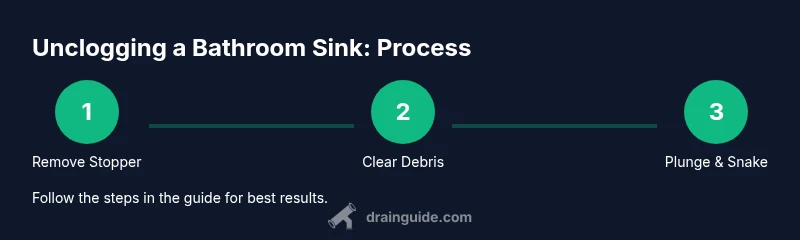
The plan is straightforward: remove the stopper to access the drain, clear visible debris, attempt plunging, then use a drain snake if necessary, followed by a careful flush. This sequence minimizes mess and reduces the risk of damaging pipes. If you reach the point where you must disassemble the P-trap, prepare a bucket and towels first and work slowly to avoid spills. The overall approach combines mechanical action with a mild flush to restore flow. This middle section provides the framework; the detailed, numbered steps follow in the next section with precise actions and timing to keep you on track.
Common Pitfalls and How to Avoid Them
Common mistakes include using chemical cleaners in a bathroom sink (which Drain Guide Analysis, 2026 discourages), ignoring safety, and rushing to reassemble without testing. Another pitfall is over-tightening P-trap connections, which can cause leaks. Always unplug or detach with care, and never use metal tools that could gouge plastic pipes. A careful, methodical approach, plus clean hands and a clear workspace, reduces the chance of a leak or a repeat clog. If you’re unsure at any point, pause and reassess before moving forward.
Maintenance and Prevention to Keep Drains Clear
To minimize future clogs, practice regular maintenance. Rinse with hot water after using the sink to dissolve soap scum and hair, and use a drain screen to catch hair before it enters the trap. Clean the stopper every few weeks and flush the drain with a baking soda flush (half cup of baking soda, followed by hot water) every few months. Keep the basin dry when possible and wipe down the area around the drain to reduce buildup. A simple preventive routine can extend the life of your pipes and reduce emergency calls.
When to Replace the Drain Assembly
If you notice repeated clogs despite proper cleaning, or if the drain tailpiece or P-trap shows cracks or heavy corrosion, replacement may be the best option. Replacing a trap and tailpiece is straightforward but requires careful measurement and sealing. The Drain Guide team recommends assessing the entire drain assembly and replacing worn parts rather than forcing fixes that only provide a temporary solution. Upgrading to corrosion-resistant fittings can improve long-term performance and simplify future maintenance.
Tools & Materials
- Cup plunger (sink-specific)(Wide, flat rubber cup for a strong seal)
- Drain snake / hand auger(3-6 ft length; choose coil-style head)
- Bucket(Catch water when removing the P-trap)
- Rubber gloves(Waterproof; protects skin from grime)
- Adjustable wrench(Loosen trap fittings if needed)
- Old towels or rags(Contain spills and clean as you work)
- Baking soda(For a gentle flush option)
- Hot water kettle or boiled water(Flush after baking soda)
- Flashlight(Inspect dark corners under the sink)
Steps
Estimated time: 60-90 minutes
- 1
Remove the stopper
Locate how your stopper is attached (twist, lift, or unscrew) and remove it carefully. Inspect the tailpiece for any obvious blockages and set the stopper aside in a safe place. This step gives you direct access to the drain so you can clear debris effectively.
Tip: Take a photo of how the stopper sits before removing it to help reassemble later. - 2
Clear visible debris
Put on gloves and use your fingers or a small tool to pull out hair and gunk from the opening. Wipe the area with a rag and deposit debris into a trash bag. This reduces the mass of the clog and makes plunging more effective.
Tip: Work slowly and avoid pushing debris deeper into the pipe. - 3
Plunge the drain
Fill the sink slightly so the plunger seals against water. Place the plunger over the drain to create a tight seal and push up and down vigorously for 15-20 seconds, then lift to check for drainage. Repeat 2-3 times, testing after each round.
Tip: Cover the overflow hole with a damp cloth to improve suction. - 4
Use a drain snake/auger
Insert the snake into the drain and rotate the handle as you push forward. When you feel resistance, pull back a few inches and pull out debris. Rinse the snake and remove any buildup from the head before continuing.
Tip: Keep the snake turning while you advance to prevent it from snagging on edges. - 5
Baking soda flush
Pour about 1/2 cup of baking soda into the drain, then wait 5-10 minutes. Follow with a vigorous flush of hot water to help dissolve grease and residual buildup. Avoid mixing baking soda with any chemical cleaners in a sealed container.
Tip: The fizzing action helps loosen minor deposits without harsh chemicals. - 6
Check and clean the P-trap
Place a bucket under the trap and carefully loosen the slip nuts with an adjustable wrench. Remove the trap, clear any debris, and rinse it before reinstalling. Reconnect the nuts securely and run water to check for leaks.
Tip: Hand-tighten first; then snug with a wrench, but avoid over-tightening. - 7
Final flush and test
With the P-trap reassembled, run hot water for 1-2 minutes to ensure smooth flow. Check under the sink for leaks and reseal if necessary. If the water still drains slowly, attempt one more round of plunging or consider a professional inspection.
Tip: Keep a cloth handy to catch any residual drips during testing. - 8
When to call a professional
If you’ve exhausted the above steps and the drain remains sluggish or you smell sewage, stop DIY efforts. A licensed plumber can diagnose deeper blockages, collapsed pipes, or venting problems that aren’t safe to fix on your own.
Tip: Document symptoms and steps taken to help the technician diagnose the issue quickly.
Got Questions?
How do I remove a bathroom sink stopper?
Most stoppers unscrew or lift out; check for a retaining nut or a linkage underneath. Once removed, you can access the drain and tailpiece to clear debris. If your stopper is stuck, try gently wiggling while turning counterclockwise and use a small screwdriver to release any clips.
To remove the stopper, unscrew or lift it out, then clear any debris around the linkage. If it’s stuck, wiggle gently while turning and release clips if present.
Can a plunger fix a clogged bathroom sink?
Yes, a plunger can clear many shallow clogs. Create a tight seal over the drain, fill the sink with a little water, and plunge vigorously. If plunging doesn’t clear the clog after a few rounds, move to a drain snake.
A plunger often clears shallow clogs. Seal the drain, plunge firmly a few times, and switch to a snake if it doesn’t work.
What should I do if plunging doesn’t work?
Then try a drain snake or auger to reach deeper. If the trap is accessible, clean the P-trap. Avoid chemical cleaners as a first fix; these can damage pipes and cause fumes.
If plunging fails, use a drain snake to reach deeper or clean the P-trap if possible.
Is baking soda safe for unclogging sinks?
Baking soda can help with minor buildup when followed by hot water, but it’s not a universal fix for serious clogs. It’s safer than chemical cleaners and can be part of a maintenance flush.
Baking soda plus hot water can help with minor buildup, but it won’t fix heavy clogs.
When should I call a plumber?
If repeated attempts fail, or you suspect a sewer line issue, backflow, or damaged pipes, call a licensed plumber. They can diagnose venting problems, collapsed lines, or tricky blockages beyond DIY scope.
Call a plumber if the clog persists after several attempts or you suspect sewer or pipe damage.
What indicates a need to replace the drain?
Visible cracks, corrosion, or persistent leaks after reseating the trap indicate replacement is wiser than continued repairs. Replacing the tailpiece or trap is a straightforward job for most homeowners.
If the drain shows cracks or leaks, consider replacing parts rather than continuing repairs.
Watch Video
The Essentials
- Start by removing the stopper to access the drain.
- Mechanical methods (plunger, snake) are safer and effective.
- Clean and inspect the P-trap if accessible.
- If the clog persists, seek professional help.