What to Unclog Drain With: Safe DIY Methods for Homeowners
Learn practical, non-chemical methods to unclog drains. This Drain Guide tutorial covers plungers, snakes, hot water flushes, maintenance, and safety tips for common clogs.


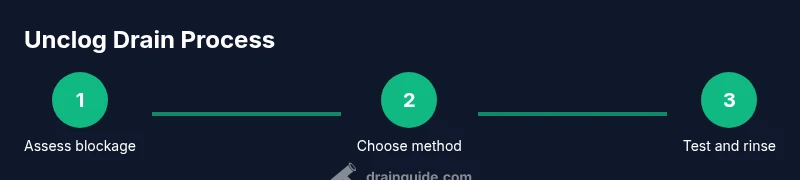
To unclog a drain safely, start with simple methods: hot water flush, a plunger, and a drain snake for stubborn clogs. Avoid strong chemical cleaners when possible, especially in older pipes. Work from the fixture outward, clear the trap, and rinse with plenty of water. If hair or grease persists, consider a professional inspection. Drain Guide recommends safety and patience.
What to unclog drain with: Quick orientation
If you're wondering what to unclog drain with, start with non-chemical methods. According to Drain Guide, most household clogs come from hair, soap scum, and grease, and can often be cleared with a methodical approach that minimizes risk to pipes. Drain Guide analysis shows that hair and grease account for the majority of residential blockages, so addressing those sources early saves time and effort. The goal is to restore flow without damaging seals or traps. This section lays the groundwork for choosing the right tool and technique, while emphasizing safety and a calm, systematic pace.
Understanding clogs and how they form
Clogs form when soft materials accumulate and catch debris, gradually narrowing the passage. This is especially common in bathroom sinks and shower drains where hair and soap build up. In kitchens, grease and food particles can harden into fatbergs if left unchecked. By understanding the anatomy of your drain—trap, pipe, and elbow joints—you can target the right point of attack. Drain Guide suggests inspecting the trap first, since a lot of blockages are localized there and easy to access.
Before you begin: safety and prep
Safety matters. Wear gloves and eye protection when working with plungers or snakes. Keep children and pets away. Gather your tools, such as a plunger, a drain snake, a bucket, and towels. If you rent or live in an older home, be aware of potential pipe material and avoid aggressive chemical cleaners that can corrode pipes. Put a bucket under the trap to catch standing water and remove the trap if you need to access deeper clogs.
Non-chemical methods: hot water, plunger, and manual tools
Hot water flushing helps dissolve soap scum and some oils. Start with boiling water (careful with PVC) in safe increments. For sinks and tubs, a plunger installed correctly creates the pressure needed to push the clog free. Place the cup or flange correctly and create a tight seal before pumping. If a standing water fill is possible, keep at it for several cycles. A waste-wand or small brush can help clear the inner surface after the clog loosens.
Using a drain snake (auger) effectively
A drain snake is a flexible tool that dislodges debris beyond the trap. Feed the cable into the drain while turning the handle slowly to grip the clog. When you feel resistance, rotate and push forward, then pull back to bring debris out. Clean the snake and reinsert as needed. If the snake cannot reach the clog or you feel a stubborn resistance, stop and consider professional help to avoid damaging pipes.
Dealing with specific clog types: hair, grease, soap scum
Hair clogs are common in bathroom drains; use a hair-catching screen and snare hair with the snake. Grease buildup requires persistent flushing and mechanical agitation rather than solvents. Soap scum often responds to hot water and a good scrub with a brush after the initial loosened debris is removed. In rare cases, mineral buildup or scale calls for professional treatment.
When to call a pro and what to expect
If the clog persists after 60 minutes of careful work or you notice a gurgling sound or slow drainage in multiple fixtures, this indicates a more serious blockage or venting issue. A licensed plumber can diagnose venting problems, damaged pipes, or sewer line issues. Early professional assessment can prevent bigger problems and avoid water damage.
Maintenance to prevent future clogs
Regular maintenance saves time and money. Install strainers, clean screens frequently, and flush drains with hot water weekly. Avoid pouring grease or coffee grounds down the sink. Periodically use a safe, enzyme-based cleaner to maintain drainage flow without harming pipes. Drain Guide recommends a simple yearly check of all traps to ensure they are clear.
Quick note: What to unclog drain with—final recap
In most homes, you can resolve a common clog with a simple sequence: flush with hot water, plunge, then snake if necessary. Keep the water level low enough to maintain a good seal, use gentle, incremental actions, and avoid forcing tools. Always inspect the trap for obvious debris and clean it if needed. If the clog persists after several attempts and across multiple fixtures, there may be a more serious main line or venting issue requiring professional assessment. Drain Guide emphasizes patience and methodical steps over quick, aggressive fixes.
Tools & Materials
- Plunger (cup or flange)(Choose flange for sinks and toilets; cup for sinks.)
- Drain snake / auger(Manual or power-assisted; choose appropriate length (3-6 ft for sinks; 15-25 ft for main lines).)
- Bucket(Catch water when removing trap.)
- Gloves(Rubber or nitrile for hygiene and grip.)
- Towels or rags(Clean spills and wipe tools.)
- Flashlight(Inspect the trap and pipes.)
- Screwdriver set(Remove trap screws if needed.)
Steps
Estimated time: 60-90 minutes
- 1
Assess the clog and prepare
Identify whether the clog is in a sink, tub, or toilet. Clear nearby area and assemble tools. Put on gloves and safety glasses as needed, and place a bucket under the trap.
Tip: Taking a quick photo of the trap helps you remember connections when reassembling. - 2
Try hot water flush
Boil water and gradually pour into the drain in two to three increments, pausing between pours. This can dissolve soap scum and some grease without harming PVC pipes.
Tip: Never pour boiling water into already-hot pipes if you have PVC joints; use hot tap water first. - 3
Use a plunger correctly
Cover the drain completely with the plunger, create a tight seal, and pump steadily 15-20 times before pulling away. Check if the water drains; repeat if necessary.
Tip: Keep more water to maintain a seal; a dry surface reduces effectiveness. - 4
Insert the drain snake
Insert the snake into the drain while turning the handle slowly to push forward. When you feel resistance, rotate and pull back slightly to grab debris.
Tip: Avoid forcing the snake; back off slightly if you feel resistance to prevent pipe damage. - 5
Clear trap and test
If you can access the P-trap, disassemble and clean out debris. Reassemble, run hot water, and test drainage.
Tip: Keep a towel handy to catch water and avoid spills. - 6
Evaluate persistence or venting
If the drain remains slow, there may be a venting problem or blocked main line. Do not overpressurize; call a professional.
Tip: Document the issue with dates and videos if you plan to hire a pro.
Got Questions?
What should I try first when a drain is clogged?
Start with hot water flush, a plunger, and then a drain snake for stubborn clogs. Avoid chemical cleaners if possible.
Start with hot water, then a plunger, and finally a drain snake. Avoid strong cleaners if you can.
Is it safe to use chemical drain cleaners?
Chemical cleaners can damage pipes and vents and are dangerous in enclosed spaces. Use non-chemical methods first and consult a pro if unresolved.
Chemicals can damage pipes; use non-chemical methods first and call a pro if needed.
When should I call a plumber?
Call a plumber if plunging and snaking don't clear the clog within an hour or if you hear gurgling or notice multiple slow drains.
Call a plumber if the clog persists after an hour or you hear gurgling.
Can I prevent clogs from returning?
Install strainers, avoid pouring grease, and flush drains monthly with hot water. Regular maintenance reduces recurring clogs.
Use strainers, avoid grease, and flush with hot water regularly.
What tools are essential for DIY unclogging?
A plunger, drain snake, bucket, gloves, and towels are the basics. A flashlight helps inspect traps.
Plunger, snake, gloves, bucket, and flashlight for inspection.
What are signs of venting issues?
Slow draining across fixtures, gurgling sounds, or sewage odors can indicate venting problems that require professional assessment.
If drains are slow or gurgling, there might be venting issues; contact a pro.
Watch Video
The Essentials
- Start with non-chemical methods for safety.
- Use a drain snake to reach deeper clogs.
- Inspect and clean the trap for quick wins.
- When in doubt, call a pro to avoid damage.