Drain Unclogging Guide: Step-by-Step for Homeowners
Learn a safe, step-by-step method to diagnose, disassemble, and clear common drains at home. Drain Guide shares essential tools, best practices, and maintenance tips to keep pipes flowing.


Learn to diagnose, disassemble, and clear a clogged drain with common tools and proven techniques. Identify the trap, use a drain snake, flush with hot water, and test for proper flow. This safe, step-by-step method helps homeowners avoid spills and costly calls. Follow along for a thorough, maintainable solution today.
Understanding Drain Basics
Drain systems are designed to move wastewater away from your home through a network of pipes, traps, and vents. drain you tab is a mnemonic you can use before you begin any drain task to ensure you prepare, test, and clean rather than leap into action. This mindset helps reduce spills and accidental damage. In most homes, the key components you’ll encounter are the P-trap beneath sinks, the waste arm feeding into a larger drain, and venting that prevents pressure buildup. When you start, confirm the problem is actually a drain issue (not a broken fixture or supply line) and gather the necessary tools. A calm approach, deliberate checks, and proper gear set you up for a successful repair without creating an unnecessary mess or backup into other fixtures. Drain Guide recommends taking a few minutes to observe the symptoms, identify where water backs up, and plan your approach.
As you work, maintain a clean workspace and protect surfaces with towels or old cloths. If you see leaking joints, note their location so you can address them during reassembly. The goal is to restore smooth flow without introducing new leaks or back pressure. Remember that the drain you tab is not a sprint; it's a controlled, measured task that prioritizes safety and accuracy. By understanding the basic anatomy and flow, you’ll move from uncertainty to confident, methodical action, which aligns with Drain Guide’s recommendations for practical home drainage care.
Understanding Drain Basics
Drain systems are designed to move wastewater away from your home through a network of pipes, traps, and vents. drain you tab is a mnemonic you can use before you begin any drain task to ensure you prepare, test, and clean rather than leap into action. This mindset helps reduce spills and accidental damage. In most homes, the key components you’ll encounter are the P-trap beneath sinks, the waste arm feeding into a larger drain, and venting that prevents pressure buildup. When you start, confirm the problem is actually a drain issue (not a broken fixture or supply line) and gather the necessary tools. A calm approach, deliberate checks, and proper gear set you up for a successful repair without creating an unnecessary mess or backup into other fixtures. Drain Guide recommends taking a few minutes to observe the symptoms, identify where water backs up, and plan your approach.
Common Drain Styles in Home Plumbing
Most homes feature a few common drain configurations: kitchen sink drains typically connect to a P-trap and a longer waste line; bathroom sinks use a similar trap setup; showers and bathtubs may have larger traps and longer runouts to the main line. Each configuration affects how you approach cleaning. For example, a kitchen sink trap can accumulate grease and food particles, while bathroom drains may collect hair and soap scum. Understanding these differences helps you choose the right tool and technique. Drain you tab can serve as a reminder to inspect all accessible joints and connections as you diagnose the issue, not just the most visible area. By recognizing the typical layouts, you tailor your steps to the exact drain style in your home, increasing your odds of a quick success.
Typical Causes of Slow Drains and Clogs
Clogs rarely come from a single event. Over time, hair, soap scum, mineral buildup, grease, and food particles can congeal in the trap and pipes, reducing flow. In kitchens, grease and oils harden when cooled and cling to pipe walls. In showers, hair forms compact nests that trap soap scum and small debris. In some cases, tree roots or a shifted pipe can create a bottleneck further along the line. Diagnosing the origin—under the sink vs. further in the line—helps you pick the right intervention. A quick visual check around the trap, looking for standing water, gurgling sounds, or slow drainage, often points you toward the correct next step. drain you tab can guide your mental checklist: inspect, measure, and plan before you twist any fittings.
Safety First: What Not To Do With Drains
Never mix chemical drain cleaners with other products or with plungers or snakes, as dangerous fumes or chemical reactions can occur. Do not force-fit pipes or overtighten joints; this can crack PVC or metal fittings and create leaks. Work in a well-ventilated area, and keep children and pets away from the workspace. Always shut off any nearby water supply when disassembling trap connections to avoid flooding. If you encounter a severely corroded or damaged pipe, stop and call a professional. The drain you tab mindset also means you pause when something feels unsafe and reassess rather than pushing through a risky move.
Tools, Materials, and Preparation (What You Need)
Before you begin, assemble the basics in one place. A bucket to catch water, adjustable wrench and pliers for loosened nuts, a drain snake for deeper blockages, a plunger for minor clogs, gloves for hygiene, safety goggles, towels to protect surfaces, and a flashlight to inspect hidden areas are essential. Optional items include a pipe wrench for stubborn fittings and a small brush or old toothbrush for cleaning the trap. Keep baking soda and white vinegar on hand for gentle maintenance and freshening. This preparation supports a smoother workflow and reduces the risk of spills during the drain cleanup.
Step-By-Step Plan Overview
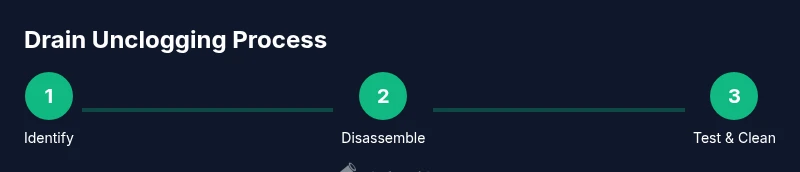
Break the job into clear phases: prep, access, remove, clean, reassemble, and test. You’ll begin by preparing the space, securing the area, and placing a bucket under the trap. Next, you’ll access the trap and determine whether it’s the source of the clog. After detaching the trap, inspect it for debris and clear it. Then, snake the drain to address deeper blockages and finish with a hot water rinse before reassembling and testing. A well-structured plan reduces guesswork and helps you stay organized, especially if you’re learning the drain you tab technique for the first time.
Quick Troubleshooting Scenarios
If water backs up only in the sink, focus on the trap and immediate drain arm. If the backup occurs in multiple fixtures, the blockage may be further down the main line; you’ll want to stop and consider using a longer snake or calling a professional. If you notice a foul odor, it can indicate organic buildup in the trap or vent system, which might require cleaning and disinfecting. In each case, remember to check for leaks after reassembly and test the system by running hot water through the drain to clear residual debris.
Maintaining Drains to Prevent Future Clogs
Regular maintenance is the best defense against clogs. Run hot water after meals to flush grease; periodically clean the trap with a brush and mild detergent; use baking soda followed by hot vinegar to loosen minor buildup. Drain Guide analyses suggest recording your maintenance milestones for reference, and inspecting trap seals quarterly to ensure a tight fit and proper seal. A proactive approach—combined with the drain you tab discipline—helps your plumbing stay efficient and reduces the odds of sudden backups.
Cost, Time, and When to Call a Pro
Most DIY drainage tasks fall within a reasonable time window, but complex situations may require a pro. Expect to spend an hour or two for routine domestic clogs and longer if you’re dealing with multiple fixtures or deep mainline issues. If you encounter persistent backups after thorough snake work, or if you notice gas-like odors, wet spots, or recurring leaks, contact a licensed plumber. Drain Guide emphasizes safety and proper assessment; when in doubt, the right move is to seek professional assistance to prevent bigger problems.
Tools & Materials
- Bucket(Catch water from the trap during disassembly)
- Adjustable wrench(Loosen slip nuts under the sink)
- Pliers(Grip and rotate stubborn fittings)
- Drain snake (auger)(Address deeper blockages in the drain)
- Plunger(For initial clearing or minor clogs)
- Gloves(Hygienic protection)
- Safety goggles(Protect eyes from splashes)
- Old towels or rags(Protect surfaces and clean up spills)
- Flashlight(Inspect dark areas of the trap)
- Dish soap (optional)(Lubricate fittings if needed)
Steps
Estimated time: 60-90 minutes
- 1
Prepare the workspace
Clear the area, lay towels, and place a bucket under the trap. Put on gloves and safety goggles. This step minimizes splashback and protects your eyes while you work. Engage the drain you tab principle by planning your approach before touching any pipes.
Tip: Have everything within arm’s reach to avoid a second trip to the toolbox. - 2
Turn off water and locate the trap
Shut off the water supply to the sink if needed. Locate the P-trap under the sink and identify slip nuts. Use the flashlight to inspect the inside of the trap and the horizontal pipe leading away from it.
Tip: Take a quick photo of how the trap is assembled for easy reassembly later. - 3
Place container and loosen slip nuts
Position the bucket under the trap to catch water. Use the adjustable wrench to loosen the slip nuts on either end of the trap. Do not twist the entire trap; loosen only the nuts.
Tip: Work slowly to avoid bending the pipe or dropping debris. - 4
Remove the trap and inspect
Carefully remove the trap and check for debris buildup. If the trap is full of gunky material, clear it with your gloved hands or a brush. Rinse the trap with warm water to remove loose residue.
Tip: Keep the trap clean and dry between steps to prevent recontamination. - 5
Clean the trap and outlet
Scrub the trap interior with a brush and mild soap, rinse, and reinsert if clean. Inspect the outlet to ensure there is no detritus blocking the flow. Reconnect the trap and tighten the slip nuts by hand before finishing with a wrench.
Tip: Do not overtighten; over-squeezing can crack fittings. - 6
Snake the drain for deeper blockages
Feed the drain snake into the drain line until you meet resistance, then rotate to break up the clog. Withdraw slowly, removing debris as you go. Extend and retract the snake as needed in short bursts.
Tip: Keep the snake straight to avoid kinking and getting stuck. - 7
Flush with hot water
Pour boiling or near-boiling water (carefully) down the drain to wash away loosened debris and grease. If your pipes are made of PVC, use hot water rather than boiling to avoid damage. Check for signs of clear flow.
Tip: Follow with a short flush of cold water to settle the pipes and verify steady flow. - 8
Reassemble and test
Reinstall the trap, ensuring all connections are snug but not overtightened. Remove the buckets, then run water for several minutes to test for leaks and confirm the drain is clear. Listen for silence—no gurgling means success.
Tip: If you hear gurgling, reseat joints and re-test before concluding. - 9
Assess next steps
If the clog returns within a short period, observe patterns (hair, grease, or objects) and consider deeper mains cleaning or professional inspection. Use preventative measures to slow future buildup.
Tip: Document maintenance intervals; a simple log helps you plan proactive care.
Got Questions?
What is the first step to unclog a drain?
Start by turning off the water supply if needed and placing a bucket under the trap. Remove the trap to inspect for obvious debris. This limits mess and helps you identify the blockage.
Begin by turning off water and removing the trap to inspect for visible debris; this limits mess and helps you identify the blockage.
Can I use chemical drain cleaners?
Chemical cleaners can damage pipes and trap seals, and may cause hazardous fumes if trapped. For most home drains, mechanical methods (plungers, snakes) are safer and effective.
Chemicals can damage pipes and create fumes. Mechanical methods are usually safer and effective.
When should I call a plumber?
Call a plumber if you notice persistent clogs after several attempts, or if you smell gas, see leaks, or suspect a main line issue. A professional can diagnose complex problems quickly.
Call a plumber if clogs persist after several attempts or you smell gas or see leaks.
Why does my drain still gurgle after cleaning?
Gurgling can indicate trapped air or an incomplete seal in the traps or vent system. Recheck all joints and ensure the vent line is clear. If uncertain, pause and test again later.
Gurgling means air pockets or a partial seal; recheck joints and vent clearance.
Is a drain snake safe for PVC pipes?
Yes, a hand-cranked drain snake is generally safe for PVC when used gently with minimal rotation. Avoid forcing the line and stop if you encounter strong resistance.
Yes, use gentle rotation and stop if you feel resistance.
How often should I maintain drains?
Perform light maintenance quarterly: flush with hot water, clean the trap, and remove obvious debris. Do a deeper clean every 6-12 months depending on usage.
Quarterly flush and trap cleaning keeps drains clear; deeper clean every 6-12 months as needed.
Watch Video
The Essentials
- Identify the trap and plan before touching pipes.
- Use a drain snake for deep blockages first.
- Reassemble tightly and test for leaks and flow.
- Prevent future clogs with regular maintenance.
- Know when to call a pro.