Unclogging Drains: A DIY Step-by-Step Guide
Learn proven, safe methods for unclogging drains—from plungers to snakes. Drain Guide’s step-by-step guide helps homeowners troubleshoot clogs confidently and avoid costly repairs.


Unclogging drains is about restoring flow and eliminating blockages using safe, proven methods. In this guide, you’ll learn hands-on techniques—from plungers and drain snakes to eco-friendly cleaners—plus safety tips and maintenance steps. You’ll also know when to call a professional. To get started, gather basic tools, clear the area, and follow the step-by-step workflow designed for homeowners and DIY enthusiasts.
What unclogging drains really means and why it matters
Unclogging drains is more than a quick fix. It’s about restoring normal flow, preventing water backups, odors, and potential water damage. For homeowners, understanding the basics helps you diagnose whether a slow drain is a partial clog or a full stop, and choose the safest, most effective approach. When you tackle clogs with the right techniques, you reduce the risk of pipe damage and costly professional service. Drain Guide emphasizes practical, repeatable methods you can rely on, building confidence as you handle routine maintenance and occasional emergencies. By learning how drains clog, you’ll make informed decisions about tools, timing, and safety measures, which keeps your plumbing healthier in the long term.
What unclogging drains really means and why it matters
Unclogging drains isn’t just about clearing water; it’s about protecting your home from moisture, mold growth, and unpleasant odors. The right approach minimizes disruption while delivering dependable results. This section helps homeowners distinguish between partial and complete blockages, so you know when a quick plunge will do and when a longer method is warranted. Drain Guide’s methodical, safety-first approach keeps you in control and reduces the likelihood of accidental damage to pipes, traps, or seals. With clarity on what unclogging involves, you’ll feel prepared to tackle the next clog with less anxiety.
What unclogging drains really means and why it matters
Unclogging drains is a practical skill that saves time, money, and headaches. It’s not about brute force; it’s about applying the right technique to the right place. This section frames the problem and sets expectations for success, including the importance of PPE, proper tool use, and a calm, methodical workflow. Drain Guide’s guidance helps homeowners approach clogs with a plan, a safety mindset, and a focus on prevention as much as restoration. The result is more reliable drains and fewer surprise backups.
Tools & Materials
- Plunger (cup or flange for toilets)(Use a rubber flange plunger for toilets; standard cup plunger for sinks.)
- Drain snake/hand auger(Choose a 3/8-inch cable, 3-6 ft length for most residential drains.)
- Bucket(To catch water and debris; place under the trap if accessible.)
- Rubber gloves(Wear durable gloves; consider eye protection for splash risk.)
- Flashlight(Inspect the trap and accessible pipe segments clearly.)
- Towels or rags(Clean spills and seal around the sink rim during work.)
- Kettle of hot water(Useful for flushing after dislodging debris; handle carefully with PVC pipes.)
- Baking soda & white vinegar (eco-friendly)(An alternative to harsh chemical cleaners; avoid mixing with chemical drains.)
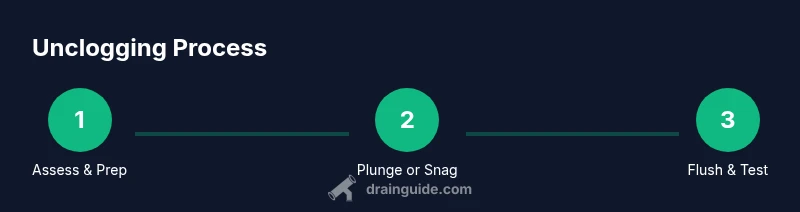
Steps
Estimated time: 45-75 minutes
- 1
Prepare the workspace and safety gear
Clear the area around the affected drain and lay down towels. Don gloves and, if available, eye protection. Verify that you have all tools within reach and remove any standing water if possible. This preparation reduces mess and keeps you safe as you work.
Tip: Having a plan before you start prevents frantic scrambling when water starts to flow. - 2
Remove standing water and inspect the trap
If you can access a P-trap (under the sink) or an accessible drain, use a bucket to catch water and inspect for visible debris. A clear trap often reveals the blockage; if debris is obvious, you can remove it manually or flush it away with a coordinated motion.
Tip: Be prepared for dirty water; keep a rag ready to wipe up splashes. - 3
Try the plunger first
Seal the drain and apply firm, steady pressure with up-and-down plunging strokes. Maintain water coverage to create a solid seal. If the clog responds, you’ll feel resistance decrease and water level rise and fall predictably.
Tip: For sinks, block overflow openings with a damp cloth to improve suction. - 4
Advance with a drain snake if plunging fails
Insert the snake tip into the drain and rotate clockwise as you push. When you encounter resistance, back off slightly and then repeat while applying gentle forward pressure. Pull out slowly to capture debris, then flush with hot water.
Tip: Don’t force the snake; excessive pressure can damage pipes, especially PVC. - 5
Consider eco-friendly flushing or enzymatic options
If a mechanical approach leaves debris behind, pour a baking soda and hot water flush or an enzymatic cleaner following package directions. These options break down organic buildup without harsh chemicals.
Tip: Avoid mixing baking soda with vinegar for deep clogs that won’t budge; use them in sequence. - 6
Test the drain and tidy up
Run water to verify the flow is restored. Check other fixtures if you suspect a shared drain. Clean tools, wipe surfaces, and discard debris to prevent reoccurrence.
Tip: If water backs up into multiple fixtures, the clog may be in the main line and professional help could be needed.
Got Questions?
What is the most effective method for a slow kitchen drain?
Start with a plunger and then use a drain snake if needed. Hot water flush can help dislodge grease, but avoid harsh chemical cleaners in the kitchen. If the clog persists, a professional snake service may be required.
For slow kitchen drains, begin with plunging, then try a snake if needed. If it still won’t clear, consider a professional service.
Are chemical drain cleaners safe for home use?
Chemical cleaners can harm pipes and septic systems and emit hazardous fumes. They should be used with caution, if at all, and never mixed with other cleaners. Prefer mechanical methods first and eco-friendly options when possible.
Chemical cleaners can damage pipes and systems; use them with caution or avoid them when possible.
Can I unclog a toilet without calling a plumber?
Yes, many toilet clogs respond to a flange plunger and careful plunging. If plunging fails after several attempts, avoid forcing the drain and seek professional help to prevent damage.
You can usually unclog a toilet with a flange plunger, but if it won’t clear, call a pro.
What should I do if the clog is in the main sewer line?
A main sewer clog often requires professional equipment and expertise. Stop using water, avoid DIY attempts that could push debris further, and contact a licensed plumber.
If you suspect a main sewer clog, stop using water and call a licensed plumber.
How often should I perform drain maintenance to prevent clogs?
Perform light maintenance monthly, including hot water flushes and trap checks. A deeper yearly clean with appropriate tools helps prevent buildup and prolongs pipe life.
Do regular maintenance monthly and a deeper clean once a year.
Is a drain snake safe for PVC pipes?
Yes, when used correctly. Do not force the snake and rotate gently to avoid damaging the PVC. If you’re unsure, consult a professional.
A drain snake is safe for PVC if used gently and properly.
Can I use baking soda and vinegar for a stubborn clog?
Baking soda and vinegar can help with minor buildup and are eco-friendly, but they may not clear advanced or solid blockages. Use them as a supplementary method.
Baking soda and vinegar help with minor buildup, but may not clear serious clogs.
What signs indicate a professional assessment is needed?
If multiple fixtures back up, you hear gurgling from the pipes, or you smell sewage, a professional assessment is recommended to diagnose potential main line issues.
Call a professional if several fixtures back up or you smell sewage.
Watch Video
The Essentials
- Identify clog type before acting.
- Mechanical methods come first; chemicals last.
- Safety gear reduces risk and mess.
- Prevent reoccurrence with simple maintenance.
- Know when to call a professional for main line issues.