How to Unclog a Bathtub Drain
Learn how to unclog a bathtub drain with practical, safe methods. From plunger use to a snake, maintenance tips, and when to call a pro. Drain Guide brings clear, actionable steps.


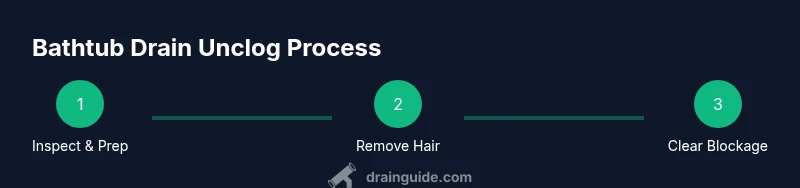
To unclog a bathtub drain, start by removing the visible hair and debris, then try a plunger to generate suction. If that fails, insert a drain snake or a specialty zip tool to break the clog, clean the stopper, and flush with hot water or a baking-soda and vinegar mixture. For stubborn clogs, move to professional methods.
What causes bathtub drains to clog
If you're wondering how to unclog a bathtub drain, understanding the common causes helps you tackle the problem more effectively. Hair is the most common culprit, weaving into the drain and forming a dense block that reduces flow. Soap scum sticks to the sides of pipes, and mineral buildup from hard water can create a crust that traps debris. Over time, this combination creates a slow drain that eventually stops completely. Recognizing these patterns makes it easier to select the most effective method, from simple manual removal to a powered snake, without damaging pipes. Regular maintenance and mindful use can reduce the frequency of clogs for bathroom fixtures.
Safety first: prep and protective gear
Before you start, turn off the bathroom water supply if possible and lay down towels to protect the floor. Put on rubber gloves, safety glasses, and old clothes in case of splashes. Keep children and pets away while you work. If you plan to use plungers or snakes, ensure you have a firm grip and a clear area to work. Read labels on any cleaners, and never mix chemical products, especially vinegar with bleach or ammonia. Working in a humid space, maintain good ventilation. These precautions help prevent injuries and chemical exposure while you restore drainage.
Quick home-checks you can do before disassembly
Start with simple checks that don’t require tools. Remove the drain cover and visually inspect for hair or gunk visible at the opening. Use your fingers or tweezers to pull out any hair if accessible. Rinse the opening with hot tap water to encourage flow, and observe whether water drains slower than normal. If you notice persistent resistance, you’re ready to move to more involved methods. Keeping friction to a minimum reduces the risk of pushing debris further down the line.
Non-chemical methods: plunger, hot water, and baking soda
Plunge the tub drain with a cup plunger, ensuring a tight seal around the drain. Pump firmly several times to create suction that dislodges the clog. If the clog yields, flush with hot water (not boiling) to help dissolve buildup. A half cup of baking soda followed by a cup of white vinegar can help break up organic material; wait 15 minutes, then flush with hot water. Avoid combining these methods with harsh chemical cleaners, as the chemical reactions can be dangerous.
Using a drain snake or Zip-It tool
A drain snake or Zip-It is designed to reach the clog beyond the trap. Insert the coil slowly and rotate while pushing forward to snag hair and debris. When you feel resistance, pull back a little and twist to break the blockage. Repeat several times, then test drainage. If you pull out hair and gunk, dispose of it in the trash (not down the toilet). Visual aids like diagrams can help you stay oriented if you’re new to this tool.
Cleaning the drain stopper and P-trap (where accessible)
If your tub has a removable stopper or access to a P-trap under the drain, remove and inspect for hair, soap scum, and mineral buildup. Use a brush and mild soap to scrub the surfaces, then rinse thoroughly. Reassemble carefully, ensuring the seal is tight to prevent leaks. If the access is tight or hidden behind tiles, consider guided steps or a professional's help to avoid damage.
Safe cleaners: enzymatic vs chemical options
Enzymatic cleaners use bacteria to digest organic material; they are generally gentler on pipes and septic systems but take longer to work. Chemical cleaners can be effective for stubborn clogs but may corrode pipe material if used in excess. Always follow label directions, wear gloves, and ventilate the space. If you have metal pipes or a history of leaks, avoid caustic chemical cleaners and consider mechanical methods first.
Maintenance to prevent future clogs
Install a fine mesh strainer to catch hair near the drain, and routinely remove visible hair after showers. Run hot water for 15-30 seconds after baths to carry debris out of the trap. Periodically flush drains with a mixture of baking soda and vinegar, then rinse with hot water. Avoid pouring grease down bathroom drains; while kitchen drains are the main culprit there, shared plumbing benefits from good habits on every fixture. Inspect the stopper for wear and replace if loose. Regular maintenance reduces the chance of future clogs and saves time and money.
Authority sources and further reading
- EPA WaterSense on home drainage and maintenance: https://www.epa.gov/watersense
- OSHA safety guidelines for working with plumbing in wet environments: https://www.osha.gov
- National Institute of Standards and Technology (NIST) general safety resources: https://www.nist.gov
Tools & Materials
- Rubber gloves(Protect hands from debris and cleaning chemicals)
- Cup plunger (solid-bottom)(Ensure good suction around the drain)
- Drain snake / plumber's auger(Choose 3-25 ft length depending on accessible space)
- Zip-It hair clog remover (optional)(Helpful for hair near the opening)
- Screwdriver or drain stopper tool(For stopper removal when needed)
- Bucket(Catch water and debris)
- Old towels or rags(Protect floor and absorb drips)
- Dish soap (optional)(For cleaning stopper parts)
- Vinegar & baking soda (optional)(Gentle cleaners for mild buildup)
Steps
Estimated time: 45-90 minutes
- 1
Prepare and protect the area
Clear the area, lay towels, and gather all tools. Put on gloves and safety glasses. Ensure pets/children are away from the workspace. This minimizes splashes and protects your skin during the process.
Tip: Have a bucket ready to catch water; stay organized to avoid losing small parts. - 2
Remove visible hair and debris
Take off the drain cover if possible and pull out hair and gunk with gloved hands or tweezers. Clean the cover and rinse the drain rim to prepare for the next step. This often yields the biggest portion of the blockage.
Tip: Use a flashlight to spot hard-to-see clumps around the rim. - 3
Plunge the drain
Seal the drain with the cup plunger and pump forcefully several times to create suction. If water drains slightly, repeat until flow improves. Avoid overexerting to prevent splashes.
Tip: A good seal is key; wipe away water on the edges for better suction. - 4
Use a drain snake
Insert the snake into the drain and rotate while pushing forward to reach and break the clog. When you feel resistance, pull back gently and twist to dislodge. Pull out the debris as you work and clean the snake between passes.
Tip: Go slowly and avoid forcing it; resistance can mean you’re hitting a bend or the trap. - 5
Check stopper and P-trap
If accessible, remove the stopper and inspect the P-trap for buildup. Clean with soap and water, then reassemble ensuring a snug seal. Run water and check for leaks before finishing.
Tip: If the trap is hard to reach, a professional can help avoid damage. - 6
Flush and test
Run hot water in short bursts to flush loosened material through the pipe. Re-test drainage; if water still pools, repeat the snake method or move to a enzymatic cleaner. Do not mix cleaners unless the label permits it.
Tip: Do not boil water; use hot, not boiling, water to avoid pipe damage.
Got Questions?
Can I use chemical drain cleaners on a bathtub drain?
Yes, but treat them as a last resort. Follow the label exactly, never mix with other cleaners, and avoid repeated use which can damage pipes.
Chemical cleaners can work, but use them cautiously and as a last resort.
What’s the best tool for hair clogs in baths?
For hair clogs, a plunger and a drain snake are effective. Start with the plunger to loosen, then use the snake to reach deeper.
A plunger first, then a snake for hair clogs.
Is it safe to use baking soda and vinegar for bathtub clogs?
Yes, for mild buildup. It’s gentler than harsh chemicals but often slower and less effective on solid clogs.
Baking soda and vinegar can help a bit, but it’s slower for tough clogs.
When should I call a plumber?
If the clog persists after several attempts, if water backs up to other fixtures, or if you can’t access the trap safely, a plumber can diagnose and clear the issue.
Call a plumber if it keeps returning or you can't access the trap.
How can I prevent clogs in the future?
Use a drain stopper screen, wipe away hair after showers, flush with hot water periodically, and avoid pouring grease or large debris down any drain.
Keep a stopper screen and flush drains regularly to prevent clogs.
Are enzymatic cleaners better for septic systems?
Enzymatic cleaners are gentler on pipes and septic systems, but work slower. For stubborn clogs, mechanical methods are usually more reliable.
Enzymatic cleaners are gentler, but may take longer.
Watch Video
The Essentials
- Identify the blockage source (hair, soap scum, minerals) before choosing methods
- Start with non-chemical methods to protect pipes and the environment
- Use a drain snake or Zip-It for hair clogs beyond the stopper
- Regular maintenance prevents recurring clogs and reduces repair costs
- Call a professional if the clog persists after multiple attempts