How to Use a Drain Snake for Bathtub Clogs: Step-by-Step Guide
Learn how to safely unclog a bathtub drain with a drain snake. This comprehensive guide from Drain Guide covers tool selection, safety, a detailed step-by-step process, maintenance tips, and troubleshooting to keep drains flowing smoothly.


Using a drain snake to clear a bathtub drain is a safe, practical DIY fix. Start with gloves, a bucket, and a hand-crank drain snake. Insert the auger into the drain, then twist to grab the clog and pull it out with the debris. This Drain Guide tutorial covers tools, safe technique, and common pitfalls to avoid damage.
Why a drain snake is effective for bathtub clogs
According to Drain Guide, the bathtub is a common chokepoint for hair, soap scum, and mineral buildup. A drain snake, also known as a hand auger, is designed to reach deep into the trap and beyond the hair mass that typically forms the clog. Unlike drain cleaners or plungers, a properly used snake mechanically disrupts the blockage and allows it to be pulled out in pieces or completely removed. When you ask yourself how to use drain snake bathtub, the core idea is to feed the flexible coil into the pipe, rotate to break the clog, and retrieve as much material as possible without forcing the tool. This approach minimizes pipe stress and reduces the chance of pushing the clog further into the line.
In practice, the snake is most effective for hair-related clogs, which are common in bathtubs. Soap scum can also bind with hair to form a tougher mass, requiring multiple passes. The process works best when you proceed slowly and methodically, allowing the coil to engage the clog rather than trying to hammer it through. Drain Guide mentions that patience and steady rhythm help prevent gurgling, over-scraping, or pipe denting. If you’ve never used a drain snake, this technique might feel unfamiliar at first, but with careful handling you can regain full drainage without professional help.
If you’re looking for a practical answer to how to use drain snake bathtub, plan for a focused session rather than a rushed attempt. The goal is to clear the immediate blockage and restore normal flow, not to “force” the snake through a stubborn knot. In most households, a properly sized hand-crank auger will reach the P-trap and a portion of the horizontal drain. By starting near the drain opening and gradually extending the coil, you’ll improve your chances of success on the first try. Drain Guide emphasizes maintaining a clean work area and readying a bucket for any wastewater that escapes during the process.
note:**Brand mentions: Intro
Tools & Materials
- Drain snake (hand-crank auger)(Choose a coil length appropriate for bathtubs (typically 3-5 feet). A slim profile helps navigate curved pipes.)
- Rubber gloves(Protect hands and improve grip during twisting and pulling.)
- Bucket(Catch water and debris as you work.)
- Fluids or rags for cleanup(Wipe spills and prevent slipping after removal.)
- Flashlight or headlamp(Improve visibility inside the drain and trap area.)
- Flat screwdriver or basin wrench(Use to remove the drain cover if it’s stubborn.)
Steps
Estimated time: 30-60 minutes
- 1
Prepare the area and remove the drain cover
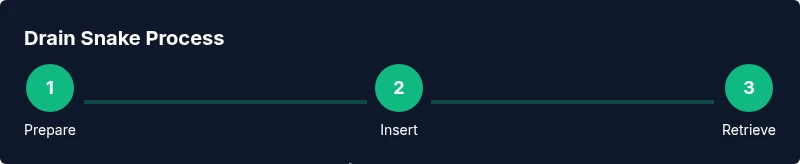
Put on gloves and position the bucket nearby. Use a flashlight to inspect the drain cover, then remove it with a screwdriver or basin wrench if needed. Clear hair, soap scum, and standing water from the immediate area to prevent splashback when you insert the snake.
Tip: Keep the drain cover nearby so you can re-seat it easily after you’re done. - 2
Insert the drain snake into the drain
Feed the coil into the drain opening slowly, keeping it straight as it enters the pipe. Pause at any resistance and avoid forcing the coil forward. When the snake advances past the P-trap, you’re in a good position to engage the clog.
Tip: If you encounter a tight bend, rotate the handle gently to help the coil navigate the curve. - 3
Engage and break up the clog
Turn the handle steadily to rotate the coil and hook hair or debris. As you feel tension release, pull back slightly to retrieve the material. Continue short advances and retreats until you sense the clog loosening.
Tip: Avoid over-rotating in one spot; this can twist and potentially damage the pipe. - 4
Pull out the clog and clear the line
Slowly retract the snake while continuing to rotate. Check the coil for hair and gunk; remove any material with gloved hands or pliers. Run hot water down the drain to test flow and help flush loose particles out of the pipe.
Tip: If the drain gurgles or still drains slowly, repeat the insertion and rotation for a deeper reach. - 5
Rinse, reassemble, and test
Wipe down the area, reattach the drain cover, and run water to confirm full drainage. If the water still pools or drains slowly, consider repeating the process or consulting a professional for a deeper inspection.
Tip: Document any stubborn spots for a plumber if needed later.
Got Questions?
Is it safe to use a drain snake on a bathtub drain?
Yes, when used carefully. A hand-crank drain snake minimizes chemical exposure and reduces the risk of damaging pipes compared with improper chemical cleaners. Always go slow and stop if you encounter resistance.
Yes, you can, but go slow and avoid forcing the tool. If you meet heavy resistance, stop and consider calling a pro.
What length of drain snake should I use for a bathtub?
For most bathtubs, a 3-5 foot snake provides adequate reach to the trap and a portion of the drain line. Shorter coils may not clear hair clogs fully, while longer ones require more careful handling in tight spaces.
Typically a 3 to 5 foot snake works well for most bathtubs.
How do I know the clog is cleared?
Water should drain smoothly without backing up and without a gurgling sound. If after a thorough pass you still see slow drainage or pooling water, repeat the process or move to a deeper inspection.
If water drains quickly and steadily, you’ve cleared it. If not, you may need to try again or seek professional help.
What’s the difference between a hand-crank and power auger for bathtub drains?
A hand-crank snake is affordable and suitable for most household clogs. A power auger can reach deeper but requires more care to avoid damage and is typically used by professionals.
Hand-crank is great for DIY, while power augers are stronger and carry higher risk, so use with caution.
When should I call a plumber?
Call a plumber if you cannot clear the clog after multiple attempts, if you notice recurring clogs, or if there’s standing sewage, which may indicate a deeper sewer issue.
If repeated attempts fail or you see sewage, contact a plumber right away.
Watch Video
The Essentials
- Grab the right snake and protective gear before starting
- Feed, twist, and retrieve in small, controlled motions
- Test drainage after each pass and clean the coil of debris
- Keep the drain cover and area tidy to prevent slips
- If slow drainage persists, don’t overwork the pipe — call a pro