JP Drain Care: Step-by-Step Guide for Home Maintenance
Learn practical, step-by-step JP drain care for homeowners. diagnose clogs, clean safely, and set a maintenance routine to keep sinks, showers, and outdoor drains flowing.


You will learn how to diagnose clogs, safely clean JP drains, and establish a routine: check traps, use natural cleaners, snaking where needed, and when to call a professional. This guide emphasizes safety, correct tools, and preventative habits to keep kitchen, bathroom, and outdoor drains flowing. It covers common issues like slow drains, gurgling sounds, and odors, plus when to escalate to licensed plumbers.
Understanding j p drain care
When homeowners search for j p drain care, they want a practical, non-technical approach that preserves the flow of all household drains. Drain care is not just about unblocking a single sink; it’s a proactive routine that minimizes buildup, extends drain life, and reduces the chance of sudden backups. According to Drain Guide, a disciplined routine combines regular inspection, safe cleaning methods, and appropriate tool use to address slow drains and recurring odors. This section lays the foundation for a homeowner-friendly approach that blends common-sense habits with proven techniques.
Signs your JP drains may need attention
Look for indicators that a drain is reminding you to act. Slow draining in sinks or showers, gurgling noises after flushing, and unusual odors are the most common warnings. Water backing up into a tub or shower is a clear sign something is amiss. Timely attention prevents messy overflows and costly repairs. By understanding these signals, you can act early and choose a safe, effective approach rather than resorting to harsher chemicals or expensive professional services.
Common causes of JP drain clogs
Hair, soap scum, grease, and food particles are frequent culprits in kitchen, bathroom, and outdoor drains. Fats and oils can congeal in pipes, trapping debris, while mineral buildup narrows the flow in older systems. Tree roots, especially for outdoor or French drains, can also intrude into drain lines and create slowdowns. Knowing the typical culprits helps you tailor your care routine and choose the right tools for prevention and maintenance.
Safe cleaning strategies for JP drains
Gentle, non-corrosive methods are effective for many clogs. Start with a plunger to dislodge hair and soap buildup, then consider a drain snake for deeper blockages. Enzymatic cleaners are a good option for regular maintenance, as they rely on microbes to digest organic matter rather than harsh chemicals. When you do use cleaners, avoid mixing products (especially with bleach), and always follow label directions for your specific drain type. This section emphasizes safety and earth-friendly options.
Tools and materials you’ll want on hand
Having the right tools makes JP drain care straightforward. A plunger suitable for the sink, a manual drain snake, a sturdy bucket, rubber gloves, and a flashlight are essential. Optional but helpful items include an enzymatic drain cleaner, baking soda, and white vinegar for preventive cleaning. Keeping a dedicated set of tools for drains reduces cross-contamination and makes maintenance faster and safer.
Step-by-step overview of the JP drain care process
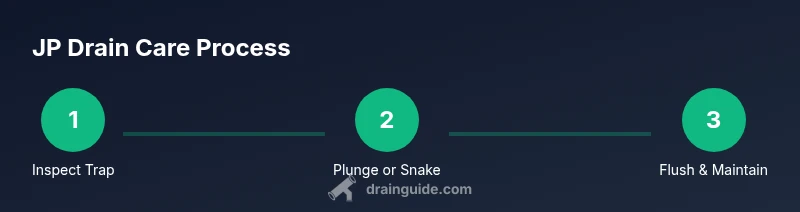
A clear, repeatable process makes routine maintenance practical. Start by inspecting the trap (P-trap) under the sink and removing any standing water. Then, address minor clogs with plunging, followed by a drain snake for deeper obstructions. Finish with a clean rinse using hot water and, if desired, a baking soda and vinegar treatment to keep residues from forming. Document the results to refine your routine over time.
Preventive maintenance schedule that works
Consistency beats intensity. Create a simple schedule: weekly quick checks for slow drainage, monthly hot-water flushes, and quarterly deep-clean sessions using baking soda and vinegar or enzymatic cleaners. For outdoor drains, perform seasonal checks around foliage or after heavy rains. A steady rhythm helps you catch issues before they escalate, preserving pipe integrity and minimizing backups.
Safety and environmental considerations
Drain work can involve slippery surfaces, sharp tools, and even chemical cleaners. Wear gloves and eye protection when handling drains, especially if chemicals are involved. Always work in a well-ventilated area and dispose of waste according to local regulations. Avoid pouring hot water directly onto delicate piping materials if your home uses older lead or galvanized pipes, and never mix cleaners with unknown consequences. These best practices protect you and the environment.
Natural cleaners vs. chemical cleaners—pros and cons
Natural options like baking soda and vinegar are inexpensive, safe for many systems, and effective for routine maintenance. Enzymatic cleaners provide ongoing digestion of organic buildup without harsh caustics. Chemical drain cleaners can be powerful on stubborn clogs but pose safety risks to you, your plumbing, and septic systems if misused. Weigh the benefits and risks and reserve strong cleaners for informed, limited use.
Outdoor and specialty drains: French drains and yard lines
Outdoor drains and French drains present different challenges from indoor plumbing. Debris can accumulate at entrances, and soil settles over time, reducing flow. Regularly clear surface debris, inspect perforated piping, and ensure proper grading to direct water away from foundations. For yard drains, avoid chemical cleaners that might leach into soil; instead, mechanical cleaning and professional evaluation are often best for complex outdoor systems.
Special cases: septic systems, disposals, and backups
Septic systems demand extra care. Avoid flushing large quantities of solids and use septic-safe cleaners. If you have a garbage disposal, run cold water while grinding waste to prevent fat buildup and odors. A slight backup may signal a septic issue or a blocked main line, which warrants a professional assessment. Properly maintaining these systems reduces expensive repairs.
Quick troubleshooting at different drain types
Sink drains, tub drains, and outdoor drains each have unique quirks. For sinks, check the P-trap and ensure it’s not dry. For tubs, hair is often the main block; for outdoor drains, surface debris matters most. A systematic approach—inspect, clear, flush, and test—helps you identify the right method and avoid unnecessary work.
Final guardrails and real-world tips
Stay consistent with your maintenance, document findings, and adjust the routine as your plumbing ages. Don’t ignore new signs of trouble, and always prioritize safety. With patience and proper tools, you can keep JP drains flowing smoothly and minimize the risk of unexpected backups.
Tools & Materials
- Plunger (cup or flange)(Use a cup plunger for sinks; flange for toilets; ensure a good seal.)
- Drain snake / auger(Choose 3–6 ft for most sinks; longer for showers.)
- Bucket(To catch water when removing the trap.)
- Rubber gloves(Water-safe gloves to protect hands.)
- Flashlight(Illuminates the trap area and sewer line access.)
- Enzymatic drain cleaner(For routine maintenance and natural digestion of organic buildup.)
- Baking soda(Combined with vinegar as a preventive treatment.)
- White vinegar(Used with baking soda for periodic cleaning.)
- Hot water (kettle or pot)(Flushes loosened debris after cleaning.)
Steps
Estimated time: 60-90 minutes
- 1
Inspect the trap
Place a bucket underneath, loosen the slip nuts on the P-trap, and remove the trap to inspect for hair and debris. Clean the trap thoroughly and reassemble, ensuring a tight seal to prevent leaks.
Tip: Take a photo of the trap before disassembly to help reassembly later. - 2
Plunge minor clogs
Seal the overflow (if applicable) and cover the drain with the plunger. Use firm, quick strokes to dislodge hair and buildup. Re-test the drain after removing the plunger.
Tip: If water backs up, wait a few minutes and retest; repeated plunging can help break loose stubborn buildup. - 3
Use the drain snake for deeper blockages
Insert the snake into the drain, rotate to break through the clog, and pull back slowly to remove debris. Flush with hot water afterward to clear residuals.
Tip: Wear gloves and protect eyes; do not force the snake into a pipe that resists—back off to avoid damaging the pipe. - 4
Natural cleaner treatment
Pour 1/2 cup baking soda down the drain, followed by 1 cup white vinegar. Wait 15–30 minutes, then flush with hot water to help dissolve minor organic buildup.
Tip: Do not use baking soda and vinegar if a chemical cleaner has recently been used; wait 24–48 hours before trying this method. - 5
Flush and test
Run hot water through the drain in 30–60 second bursts to ensure a steady flow. If the water drains slowly, repeat the snake or consider enzymatic cleaners for ongoing maintenance.
Tip: Keep a log of when you flush and test; consistency is key to long-term results. - 6
Plan ongoing maintenance
Set a maintenance interval and choose a routine that fits your household. Document results and adjust the plan based on drain age and usage patterns.
Tip: Seasonal reminders help; integrate drain care into your regular home maintenance calendar.
Got Questions?
What is j p drain care?
JP drain care is a homeowner-focused approach to keeping JP drains clear through regular inspection, safe cleaning methods, and routine maintenance. It combines physical methods like plunging and snaking with preventive steps to reduce buildup.
JP drain care is a practical, home-based routine to keep JP drains clear, using safe tools and regular checks.
How often should I inspect drains at home?
Inspect drains monthly for signs of slow flow or odors, and perform a deeper maintenance session quarterly. Adjust frequency based on usage and the age of your plumbing.
Inspect drains monthly and deep-clean every few months, adjusting for your home’s needs.
Can I use baking soda and vinegar safely?
Yes, baking soda and vinegar can help with minor organic buildup when used properly and without mixing with other cleaners. They should be used in moderation and not as a substitute for professional fixes when experiencing persistent clogs.
Baking soda and vinegar are safe for routine cleaning when used as directed.
When should I call a professional?
Call a professional if clogs persist after a few attempts, if you notice repeated backups, or if you suspect a damaged pipe, root intrusion, or septic issues that require specialized equipment.
If clogs persist beyond routine steps or you suspect deeper plumbing issues, contact a pro.
Are chemical drain cleaners ever recommended?
Chemical cleaners can be effective for stubborn blockages but pose safety and pipe-damage risks. They should be used sparingly and only according to manufacturer instructions, with proper ventilation and protective gear.
Use chemical cleaners sparingly and follow safety instructions closely.
How can I protect a septic system while drain caring?
Use septic-safe cleaners, avoid flushing large quantities of solids, and maintain regular septic tank service according to local guidelines. This helps keep your entire system healthy.
Stick to septic-safe products and follow local guidelines for maintenance.
Watch Video
The Essentials
- Perform regular inspections to catch issues early
- Use safe, gradual cleaning methods first
- Keep a basic toolkit for DIY drain care
- Reserve harsh chemicals for emergencies and follow safety rules
- Establish a simple routine to prevent clogs