jp drain: DIY Drain Clearing Guide
Learn safe, step-by-step methods to diagnose and clear a jp drain at home. This Drain Guide tutorial covers essential tools, practical steps, and prevention tips to keep sinks flowing.


In this guide you’ll diagnose and clear a common home drain issue labeled as a jp drain, focusing on kitchen, bathroom, and laundry lines. You’ll learn safe, step-by-step checks you can perform with everyday tools, when to stop DIY, and simple prevention tips to reduce future clogs. Ready to restore flow and avoid costly calls?
Understanding jp drain and why it clogs
In home plumbing, the term jp drain is a practical shorthand used by Drain Guide to describe common clog scenarios across kitchen, bathroom, and laundry drains. Recognizing signs like slow drainage, gurgling, or occasional backups is the first step toward a successful DIY fix. The concept emphasizes that most clogs arise from routine use, waste disposal habits, and minor pipe buildup rather than dramatic plumbing failures. According to Drain Guide, understanding your drain type and the path water takes through traps and elbows helps you choose safer, more effective solutions. This awareness sets the stage for a methodical approach rather than a reactive, messy chase of symptoms.
Key takeaway: a calm, informed assessment reduces unnecessary force and protects pipes while you troubleshoot.
Diagnosing common drain culprits
Culprits vary by drain location, but several contributors show up repeatedly in jp drain scenarios:
- Hair and soap scum building up in bathroom sinks and showers.
- Food grease and solids accumulating in kitchen sinks.
- Fats, oils, and coffee grounds entering drains and sticking to pipe walls.
- Mineral buildup in slow-draining laundry lines.
To begin diagnosing, observe where the water drains the slowest, whether backups occur at certain times (e.g., after running a disposal or dishwasher), and if multiple fixtures share the same main line. A systematic approach helps you distinguish a local clog (trap, elbow, or branch) from a broader plumbing issue. Drain Guide analysis, 2026, emphasizes starting with the simplest cause before moving to more involved methods.
Safety and preparation before you start
Safety comes first when working on drains. Always wear gloves and eye protection, especially when using tools that create splash or debris. Shut off water supply to the affected fixture if possible to prevent accidental overflow. Gather your tools and materials in advance: a plunger, a drain auger, a bucket, a flashlight, and rags for cleanup. Place towels to protect floors and surfaces from splashes. Ventilate the area if you’re working in a small, enclosed space. If you’re working near electrical outlets or appliances, keep water away from outlets and unplug devices when appropriate.
Before you begin, inspect the trap (P-trap under sinks) to see if you can identify a visible blockage. Removing the trap lets you clear debris directly and test water flow. If you’re uncomfortable with traps or suspect a more serious issue, it’s wise to consult a professional. This pre-work helps prevent unnecessary damage and reduces cleanup time later.
How water flow behavior guides your approach
Drain behavior tells you which method to apply first. If water drains slowly but steadily, a light obstruction is likely. If water backs up or burbles loudly, you may be dealing with a more stubborn blockage further down the line. When multiple fixtures are affected, the issue could be a main-line clog or a venting problem, which usually requires a professional assessment.
Observation notes you should keep:
- Which fixture is affected (sink, tub, shower, laundry).
- The time of day and usage patterns that worsen drainage.
- Any odors around the drain, which can hint at sewage-backed issues.
Snapshot of prevention techniques that work long-term
Prevention beats frequent unclogging. Regular maintenance, mindful disposal, and routine cleaning reduce recurring jp drain problems. Simple habits like using drain screens, avoiding pouring fats or coffee grounds down drains, and flushing with hot water or a vinegar-baking-soda routine can make a big difference. Establish a small weekly maintenance ritual to keep buildup at bay and extend the life of your plumbing.
Authoritative sources
For safety and best practices, consult these trusted references:
- https://www.epa.gov
- https://www.osha.gov
- https://www.cdc.gov
Tools & Materials
- cup plunger(Use a flange or cup plunger sized for the fixture (sink, tub, or toilet). Ensure a good seal.)
- drain auger (snake)(Choose a hand-crank version for jams; extendable models help reach deeper clogs.)
- bucket(Catch water and debris when removing traps or snaking.)
- gloves(Wear protective gloves (rubber or nitrile) to protect skin.)
- flashlight(Inspect the trap and pipe interior by flashlight for better visibility.)
- rag or towels(Contain splashes and protect surfaces during work.)
- plastic wrench or channel-lock pliers(Useful for loosening traps or fittings if needed.)
- enzyme-based cleaner (optional)(Can help with slow drains after mechanical clearing.)
- hot water(Have a kettle or pot ready to flush debris after clearing.)
Steps
Estimated time: 30-60 minutes
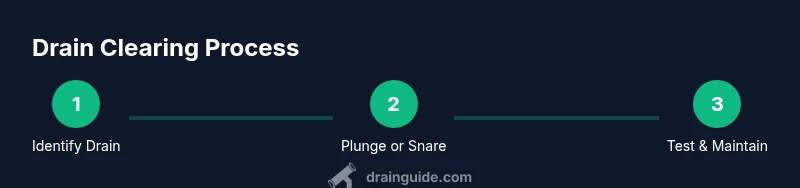
- 1
Identify the affected drain
Begin by noting which drain is slow or backed up and whether other fixtures are affected. Confirm that you’re dealing with a domestic drain problem and not a sewer backup. This step helps you choose the right tool (plunger vs. snake) and reduces unnecessary disassembly.
Tip: Take a photo of the trap and pipe area before you touch anything for reference. - 2
Clear the trap (P-trap) if accessible
Place the bucket underneath, loosen the slip nuts, and carefully remove the P-trap. Clean out any debris, then reassemble and run hot water to test flow. If you can’t access the trap, skip to plunging.
Tip: Use a rag to wipe drips and inspect for cracks or wear in the trap. - 3
Plunge the drain
Seal the drain with the plunger and apply steady, full-pressure plunging to break up the blockage. Work the plunger in an up-and-down motion for 15-30 seconds, then test drainage. If there’s no improvement, proceed to the auger.
Tip: Ensure a tight seal; a poor seal wastes effort and may push debris further. - 4
Snake the drain
Insert the auger into the drain and push gently until you meet resistance. Rotate the handle to break up the clog and pull debris out as you retract. Run water to flush the line and test flow again.
Tip: Do not force the snake; work with the resistance and withdraw gradually to avoid pipe damage. - 5
Flush and verify
Run hot water for several minutes, then test all affected fixtures. If flow improves, maintain a routine: weekly hot-water flush and monthly inspections. If not, repeat steps or move to deeper sections of the line.
Tip: Record what methods worked so you can repeat successfully in the future. - 6
Clean up and plan prevention
Wipe tools, dry surfaces, and store equipment properly. Add drain screens and set a weekly maintenance habit to cut future clogs. If the problem recurs, consider a professional assessment to rule out main-line issues.
Tip: Keep a log of maintenance activities and outcomes to spot recurring patterns.
Got Questions?
What does jp drain refer to in this guide?
jp drain is a practical term used in this article to describe common household drain clogs across kitchens, bathrooms, and laundry lines. It helps frame typical troubleshooting steps.
jp drain here refers to everyday home drain clogs. We’ll walk you through fixes and safety tips.
Can I use chemical drain cleaners safely?
Chemical cleaners can damage pipes and septic systems and may not reach deeper blockages. Mechanical methods like plunging and snaking are safer first options.
Avoid chemical cleaners as a first move; mechanical methods are safer and often more effective.
How long does a DIY unclog typically take?
Most fixes take about 30 to 60 minutes, depending on the clog type, the drain location, and whether the trap is involved.
Typically, a DIY unclog takes about half an hour to an hour.
When should I call a plumber?
If plunging and snaking don’t clear the clog, or you notice recurring backups, a professional assessment is warranted to rule out main-line or venting issues.
If it’s not clearing after you try the steps, call a plumber.
Are enzyme cleaners effective?
Enzyme cleaners can help with routine maintenance and slow buildups but are not a quick fix for stubborn clogs. Use them as a supplementary measure.
Enzymes help with maintenance, not a fast fix for stubborn clogs.
What maintenance helps prevent future clogs?
Install drain screens, avoid pouring fats and coffee grounds down drains, and perform regular hot-water flushes to keep lines clear.
Screens and mindful disposal prevent many clogs.
Watch Video
The Essentials
- Start with mechanical methods before chemicals
- Inspect the trap early for fast wins
- Tailor method to the affected drain
- Regular maintenance prevents most clogs
- Know when to escalate to a professional