Drain Troubleshooting for Homeowners: Sewer & Drain Essentials
Practical, step-by-step instructions to diagnose and fix common sewer and drain issues at home with safety tips, maintenance guidance, and when to call a pro.


You’ll learn how to diagnose and fix common drain problems in a home, from clogs to odors and minor sewer-line concerns, with safe, practical steps. This guide helps homeowners work through mother modern plumbing sewer & drain issues using basic tools and a planned process. Gather essential items, shut off water, and ventilate before starting to avoid spills or fumes.
Understanding the Scope of Drain Problems in Modern Homes
Understanding the scope of drain problems in today’s residences is essential for effective DIY repairs. Clogs, odors, slow drainage, and intermittent backups often signal a combination of hair, soap scum, mineral buildup, or venting issues. By thinking of plumbing as a system—pipes, traps, vents, and the sewer line—you can pinpoint where water flow is restricted and what tools are best suited to address it. For homeowners tackling domestic issues, recognizing common patterns helps you choose safer, longer-lasting fixes over quick hacks. In this guide, we reference mother modern plumbing sewer & drain as a reminder that even seasoned homeowners benefit from a structured approach to practical problems. Clear, methodical steps reduce mess, prevent secondary damage, and keep your home’s drainage running smoothly.
What often feels like a single clog is frequently a sequence of minor problems that compound over time. Start by noting where the water backs up: sink, tub, toilet, or floor drain. If more than one fixture is affected, the blockage may lie farther downstream or in the main sewer line. If only one fixture is affected, the issue is probably localized to that drain’s trap, piping, or vent. Keep a simple log of when problems occur and any patterns you notice—this helps you communicate clearly with a plumber if professional help is needed.
Common Causes of Clogs and How They Form
Clogs form from everyday use: hair and soap scum in bathroom drains, grease and food particles in kitchen drains, and mineral scale in areas with hard water. Over time, these materials accumulate in traps and pipes, narrowing flow paths. Baby wipes, paper towels, and feminine hygiene products often cause stubborn blockages when flushed or disposed of inappropriately. Tree roots can intrude into older, cracked sewer lines, leading to backups in multiple fixtures. Recognizing these causes helps you tailor a fix—from a simple plunge to a careful mechanical auger job—and prevents recurring issues when you adopt better habits. Regular cleaning routines and mindful use of drain cleaners (if used at all) reduce the chance of future clogs and protect your plumbing investment.
Other contributors include venting problems, which can trap air and slow drainage, and pipe corrosion or joint leaks that degrade overall performance. If you notice gurgling sounds, slow drainage across multiple fixtures, or sewage odors near drains, it’s a strong signal to inspect the vent stack and consider stepwise maintenance or professional evaluation.
Safety First: PPE, Ventilation, and Safe Handling
Before touching drains, ensure you have proper PPE: gloves, eye protection, and a mask if vapors are present. Ventilation is critical to avoid inhaling sewer gases; open windows and use a fan if needed. Avoid mixing household cleaners—especially bleach with ammonia or acids—into the drain, as dangerous fumes can be produced. Keep children and pets away during any DIY work, and never put your hands or tools into a live electrical area near wet surfaces. If you must work under a sink, use a dry towel to absorb moisture and turn off the water supply to the affected fixture to prevent accidental flooding. Remember, safety is the foundation of any repair, and careful preparation reduces the risk of injury and further damage to your plumbing.
Tools and Materials You’ll Need: A Practical Starter Kit
A well-chosen starter kit empowers DIY fixes and reduces trip-to-the-hardware-store interruptions. Essential tools include a cup plunger for sinks, a hand-crank drain snake (auger) for deeper clogs, a bucket, rubber gloves, adjustable pliers, a flashlight, and towels. For safer chemical alternatives, use enzyme-based cleaners or natural remedies like baking soda and vinegar in moderation, avoiding harsh, toxic compounds. A small container of plumber’s tape and a few rags can save you from leaks during the process. Organize tools before you start so you can focus on the task at hand and avoid splashing or misplaced items that complicate the repair.
If the blockage is severe or you suspect a main sewer-line issue, prepare to contact a licensed plumber. A pro can perform a camera inspection to locate the exact source, detect structural problems, and safely resolve issues beyond a simple home fix.
Step-By-Step Approach to Unclogging a Drain (DIY Focus)
This section expands on the step-by-step process to unclog a drain using safe, practical methods. The steps are designed for a typical bathroom sink or kitchen sink and can be adapted for other fixtures. Always begin with basic safety checks and a quick assessment of the clog’s location.
Understanding the typical sequence of actions helps you avoid unnecessary steps and reduces the risk of accidentally pushing the clog deeper into the pipe. If you encounter a clog beyond your skill level or the drain remains partially blocked after several attempts, pause, reevaluate, and consider professional assistance to prevent damage to pipes and fixtures.
We’ll cover methods from mechanical to chemical-safe, with emphasis on avoiding hazardous practices and maintaining a clean work area to prevent slips and contamination.
Maintenance and Prevention: Keeping Drains Clear Long-Term
Prevention is cheaper than repair. Establish a simple routine to maintain drains: use a strainer to catch hair and solids, run hot water down the drain after cooking or showering to help move grease and soap scum, and flush kitchen drains with a mixture of hot water and a touch of baking soda monthly. Avoid pouring fats or large amounts of food waste down kitchen drains, and never flush non-flushable items. If you notice recurring odors or slower drainage, address them early with targeted cleaning and consider seasonal professional checkups to catch worn-out parts or corroded pipes before a major failure occurs. A proactive approach reduces the likelihood of future emergencies and preserves the life of your plumbing system.
Tools & Materials
- Cup plunger(Wide-mouth for sinks; ensure a proper seal with a fully flat gasket)
- Drain snake (auger) hand-crank(Use 3-4 ft of snake for sinks; extend slowly and rotate while pushing forward)
- Bucket(To catch water and debris; place under the trap if you remove any fittings)
- Rubber gloves(Waterproof, chemical-resistant if using cleaners)
- Adjustable wrench(Useful for disconnected traps or fittings under sink)
- Flashlight(Inspect visible pipes and traps behind cabinets)
- Towels or rags(Contain spills and keep the work area clean)
- Vinegar and baking soda(Use sparingly as a safe, non-chemical option; avoid mixing with other cleaners)
- Plumber’s tape(Temporary sealing if you remove traps during inspection)
Steps
Estimated time: Estimated total time: 60-90 minutes
- 1
Prepare the area and safety gear
Put on gloves and eye protection. Clear the area, lay towels, and place a bucket under the drain. If you’ll be working under a sink, lay a rag to catch any moisture and have ventilation ready to prevent fumes.
Tip: Double-check the water shutoff valve for the affected fixture before starting to avoid floods. - 2
Assess the clog location
Look for pools of water or slow draining; identify if the issue is local (one fixture) or widespread (multiple fixtures). A local issue likely involves the trap or immediate piping, while a main line backup may require more advanced steps.
Tip: A flashlight helps you see inside the trap and pipe junctions clearly. - 3
Try a plunger first
Seal the drain with a cup plunger and plunge with steady, full strokes for 15–20 seconds. Lift to see if water drains; repeat if necessary. If the water doesn’t move, move to the next method.
Tip: Ensure there’s enough water to cover the plunger for an effective seal. - 4
Use a drain snake for deeper clogs
Insert the snake into the drain, turning the handle to feed the cable. When you feel resistance, rotate and push gently to break up the clog. Retract slowly and clean debris from the line.
Tip: Work slowly to avoid damaging pipes; never force the snake past a stubborn obstruction without giving it a pause for a reset. - 5
Flush and test the drain
Run hot water for several minutes to wash away debris. If the drain remains slow, repeat the snake or consider a safe enzymatic cleaner approach. Confirm all fixtures drain properly before concluding.
Tip: Hot water helps dissolve grease; avoid boiling water for older PVC pipes which could soften connections. - 6
Decide on next steps
If the clog persists after multiple attempts, or if you observe recurring backups, stop DIY methods and call a licensed plumber for a camera inspection and professional repair.
Tip: Document your attempts, times, and observations to share with the pro for faster service.
Got Questions?
What are common signs of a clogged drain?
Common signs include slow draining, gurgling sounds, water backups, and unpleasant odors from the affected fixture. If multiple fixtures are affected, the blockage could be further downstream.
Watch for slow drainage, gurgling, backups, and odors. If several fixtures are affected, the clog may be farther in the system.
Can I fix a clog without calling a plumber?
Yes, many clogs can be addressed with a plunger or hand-crank snake. Start with the simplest method and progress to the auger if needed. If repeated attempts fail, it’s time to seek professional help.
You can often fix simple clogs with a plunger or snake. If it doesn’t clear after a few tries, consider a professional.
When should I use a drain snake vs a plunger?
Use a plunger for initial attempts to create suction, especially for sinks and toilets. A drain snake penetrates deeper to break up or retrieve the clog. Start with the plunger, then move to the snake if needed.
Start with a plunger, then try a drain snake if the clog remains. Snakes reach deeper into the pipes.
Are chemical drain cleaners safe for pipes?
Most chemical cleaners should be avoided in home plumbing, especially with older pipes or septic systems. They can damage pipes and create hazardous fumes. Try mechanical methods or enzymatic cleaners first.
Chemical cleaners can damage pipes and aren’t ideal for septic systems. Use mechanical methods or enzymes first.
What should I do if the clog recurs after DIY attempts?
If clogs recur, document the incidents and consider a camera inspection of the sewer line. Recurrent issues often indicate a more serious underlying problem that requires professional assessment.
If clogs keep coming back, it's time for a professional inspection to identify root causes.
The Essentials
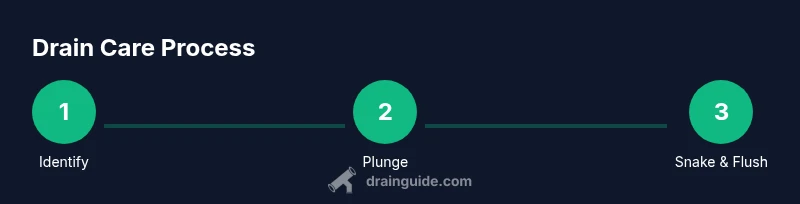
- Identify the clog location and choose the right method
- DIY fixes are safe for simple clogs with proper precautions
- If DIY fails, call a licensed plumber for a deeper inspection
- Maintain drains regularly to prevent future backups
- Safety and ventilation come first in any repair