Sewer Drain Cleaning: A Homeowner's Step-by-Step Guide
A thorough, homeowner-friendly guide to sewer drain cleaning with safety tips, tools, step-by-step methods, and when to call a pro. Learn maintenance and prevention with Drain Guide.


Learn how to safely perform sewer drain cleaning at home with a step-by-step approach. You'll identify clogs, choose the right tools, use safe techniques to clear blockages, and recognize when a pro is required. Before you start, gather a plunger, drain auger, buckets, gloves, and eye protection, plus a wet/dry vacuum for spill cleanup.
What sewer drain cleaning is and why it matters
Sewer drain cleaning focuses on the main drain line that serves sinks, toilets, and other household drains. When clogs form in this network, you can experience slow drainage, gurgling sounds, and backups that threaten floors and basements. According to Drain Guide, tackling sewer drain cleaning safely begins with a clear plan, the right tools, and a calm approach. The Drain Guide team emphasizes that understanding your home’s plumbing layout helps you differentiate between a sink-or-floor clog and a true main-line obstruction. By learning how the drain system works, you gain the confidence to diagnose problems early and prevent costly damage. In many homes, minor blockages accumulate over weeks or months and show up as slow drains in multiple fixtures. Proper cleaning targets the root of the buildup—grease, hair, soap scum, or mineral deposits—without compromising pipe integrity.
Safety first: hazards and protective measures
Working on sewer drains involves potential exposure to unpleasant odors, gases, and biological material. Always protect yourself with gloves, eye protection, and a mask if you anticipate fumes. Ventilate the area well and avoid mixing chemical cleaners with other products, which can create dangerous fumes or reactions. Never lean over a clogged drain or use excessive force that could damage pipes or push the clog deeper. Drain Guide analysis shows that many DIY attempts fail due to inadequate PPE or poor ventilation, underscoring the importance of a safe, methodical approach. If you notice sewage backups, a strong odor, or persistent clogs after a DIY attempt, stop and seek professional help. Disposal of waste should follow local guidelines to minimize risk to family members and pets.
Core tools and methods for DIY sewer drain cleaning
DIY sewer drain cleaning relies on a mix of mechanical techniques and basic equipment. A plunger (cup plunger for sinks, flange plunger for toilets) can dislodge shallow blockages. A closet auger or drain snake helps break up or pull out deeper obstructions within the drain line. For stubborn clogs, a professional-grade auger or jetting equipment is often required, but homeowners can try safer methods first. Enzymatic cleaners and natural cleaners (like baking soda and vinegar) may help with organic buildup, but they should not be used as a primary solution for tough blockages or septic systems. Always follow tool manufacturer instructions and test on a small section of pipe when possible. The goal is to restore flow without harming pipes, seals, or the septic system if one exists.
Diagnosing the clog: signs and tests
Before you dive into tools, observe the symptoms: are several fixtures slow, does water back up into a tub or shower, or is there a foul odor? Check for a cleanout access point near the foundation, or a vent stack on the roof that might indicate airflow problems. A gurgling sound when a faucet runs can signal a main-line obstruction. If you have a septic system, consider whether the tank is full or the leach field is compromised, and avoid aggressive chemical cleaners that can disrupt beneficial bacteria. Drain Guide notes that recognizing the type and location of a clog saves time and reduces the risk of accidental damage. If the clog seems beyond your skill level, it’s wise to call a professional to assess the sewer line with camera inspection.
Step-by-step overview of the process
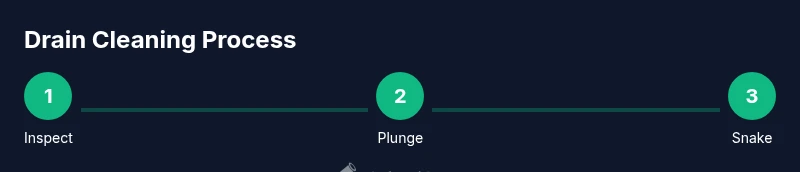
This overview outlines the general sequence used for many residential sewer clogs. Start with prep and safety, then use basic tools to reestablish flow. If the first attempts fail, move to a mechanical auger and, as a last resort, professional jetting. This overview is designed to help homeowners understand the flow of actions and set expectations for the next section, which provides explicit, numbered steps. Remember that some clogs lie beyond the trap or inside the main line, and professional equipment or sewer line cleaning services may be required for thorough remediation.
Common mistakes and how to avoid them
Many DIYers rush into unclogging without PPE or proper PPE, leading to exposure to waste and gases. Others rely on chemical drain cleaners as a first line, which can corrode pipes, damage septic systems, or cause dangerous fumes when mixed with other products. Using a plunger incorrectly or applying excessive torque with a drain snake can push a clog deeper or damage the piping. Drain Guide emphasizes patience and methodical work; take breaks if needed to reduce fatigue and mistake risk. Keep children and pets away from the work area and never mix cleaners—the risk of hazardous reactions is real.
When to call a professional and what to expect
If you experience repeated clogs, persistent backups, or sewage odors after DIY attempts, contact a licensed plumber. A professional will typically perform camera inspection to locate the clog, assess pipe integrity, and determine whether hydro jetting, snaking, or pipe repair is required. For septic systems, a pro can evaluate tank condition and leach field health. The Drain Guide team recommends using DIY methods for small, brief clogs and reserving professional services for secondary-line issues or complex piping. Expect a professional to discuss options, provide an estimate, and explain potential risks and remedies before any work begins.
Preventive maintenance and long-term care
Prevention saves money and reduces the frequency of sewer drain cleaning. Install hair-catchers on shower drains, avoid pouring grease down sinks, and run hot water with disposal or drains to melt residue. Periodic enzyme-based cleaners can support biofilm control in drains without harming septic systems when used as directed. Schedule routine inspections if you notice recurring slow drainage, gurgling, or backups. Keeping a simple maintenance routine—especially in homes with older pipes—extends the life of the drain network and minimizes the likelihood of costly service calls.
Authoritative references and further reading
For safety and best practices, consult established sources:
- https://www.epa.gov/watersense
- https://www.osha.gov
- https://www.cdc.gov
Tools & Materials
- Cup plunger(For sinks; use flange plunger for toilets)
- Closet auger / drain snake(6-18 inch bend; avoid damaging fixtures)
- Bucket(To collect standing water)
- Gloves(Chemical-resistant; nitrile preferred)
- Safety goggles(Protect eyes from splashes)
- Old towels or rags(For spills and drips)
- Flashlight or headlamp(Inspect dark pipes and traps)
- Wet/dry vacuum (optional)(Cleanup and water removal)
- Dish soap or enzyme cleaner (optional)(Safer degreasing alternatives)
- Vinegar and baking soda (optional)(Natural clearing aid (not for major clogs))
- Tape measure or ruler (optional)(To gauge pipe access length)
- Old towels for floor protection(Prevent slip hazards)
Steps
Estimated time: 60-120 minutes
- 1
Prep and safety check
Clear the area, remove items that could be damaged, and put on PPE. Identify the cleanout access and ensure the main water supply is on in case you need to flush later. Ventilate the space; use fans if indoors to reduce odor exposure.
Tip: If you have a septic system, avoid heavy chemical cleaners that disrupt bacteria. - 2
Remove standing water
Use a bucket or siphon to remove standing water from the basin. This reduces splash and makes it easier to reach the clog with tools. Keep towels handy to soak up spills as you work.
Tip: Staging water removal before tool use reduces mess and exposure. - 3
Apply the plunger effectively
Seal the drain with the cup plunger and give firm, steady pushes and pulls without twisting. Work in multiple directions to free the blockage without forcing it deeper. Remove debris visible at the rim when possible.
Tip: Maintain good seal and steady rhythm for best results. - 4
Use the drain snake
Feed the auger into the drain while rotating the handle to prevent kinking. Push slowly until you feel resistance, then rotate and pull back to dislodge the clog. Rinse mid-way with hot water if available to help loosen material.
Tip: Avoid forcing the snake aggressively; back off if you meet resistance. - 5
Flush and evaluate
Pour hot (not boiling if plastic pipes are involved) water down the drain to flush residual material. Re-run the drains and observe flow. If slow, repeat snake or plunge steps as needed.
Tip: Do not pour boiling water into PVC pipes if they are old or damaged. - 6
Cleanup and test
Disinfect tools, wipe down the area, and run several cycles of water to ensure stability. If drainage remains sluggish, document findings and plan a follow-up with a professional.
Tip: Sanitize equipment to prevent cross-contamination.
Got Questions?
Can I use chemical drain cleaners for sewer drain cleaning?
Chemical drain cleaners are not recommended for main sewer lines; they can damage pipes and septic systems and may create dangerous fumes if misused. Mechanical methods are safer for most residential clogs.
Chemical cleaners are usually not recommended for main sewer clogs; they can damage pipes and septic systems. Use mechanical methods and seek a professional for stubborn blockages.
Is sewer drain cleaning safe for septic systems?
Be cautious with cleaners and methods that could disrupt beneficial bacteria in septic systems. Use enzymes or mechanical methods, and avoid harsh chemicals unless advised by a pro.
Septic systems require careful handling; avoid harsh chemicals and lean toward mechanical methods or enzyme-based cleaners as directed.
How long does it take to clear a typical clog DIY?
Most DIY clog clearings take 30 minutes to a few hours depending on blockage complexity and pipe layout. If there's no improvement after several attempts, stop and consult a professional.
Most DIY clearing takes from half an hour to a few hours. If you don’t see progress, call a professional.
When should I call a professional?
Call a professional if clogs persist after multiple DIY attempts, backups spread to multiple fixtures, or you smell sewage. A pro can perform camera inspections and determine the best remediation.
If clogs persist after several attempts or backups involve multiple fixtures, contact a licensed plumber.
What maintenance helps prevent future clogs?
Use drain screens, avoid pouring grease down drains, run hot water weekly, and use enzyme cleaners periodically to maintain biofilm control in drains.
Install screens, avoid grease, run hot water weekly, and use enzyme cleaners to maintain drains.
Watch Video
The Essentials
- Identify if the clog is local or main-line.
- Use the right tool for the job (plunger vs. auger).
- Avoid chemical cleaners for main sewer lines.
- Know when to call a professional for persistent backups.