Clean Drain Services: A Homeowner's Guide to Maintenance
Learn how to choose, assess, and perform clean drain services for your home. This guide covers tools, steps, safety tips, and maintenance from Drain Guide Team.


You can perform clean drain services at home by identifying the clog, gathering the right tools, and following a safe, step-by-step process. Start with basic diagnostics, choose the appropriate method (mechanical cleaning vs chemical cleaners), and test after each step. Use professional help if you encounter complex pipe layouts or suspicious leaks.
What clean drain services cover
Clean drain services address a wide range of common drainage issues in homes, from simple clogs to slow-draining sinks, showers, and garbage disposals. For homeowners, understanding what is included helps you plan and budget effectively. According to Drain Guide, clean drain services focus on safe, non-destructive methods that protect your pipes while restoring optimal flow. Typical tasks include diagnosis, trap cleaning, basic mechanical cleaning, and guidance on prevention to reduce future calls. Techniques vary by pipe material and age, so a proper assessment is essential before choosing a method. A professional may flush lines with water, use a drain snake, or remove reachable obstructions; they will avoid harsh chemicals where possible to minimize corrosion. For many homes, a scheduled maintenance approach—semi-annual checks and minor cleanings—prevents major clogs and costly repairs. Note that in some cases, what seems like a simple clog could indicate deeper problems such as a blocked main line or a venting issue; those scenarios require a careful evaluation by a licensed plumber.
How drains typically clog and what it means
Clogs form when hair, soap scum, food particles, grease, and mineral deposits accumulate in traps and pipes. Over time, these materials bind with minerals to form a solid or semi-solid mass that narrows the opening. Slow drains are often a sign of partial blockage, while fully blocked drains can back up into sinks, tubs, or toilets. Recognizing the signs early—gurgling sounds, slow drainage, or frequent backups—lets you take action before damage occurs. Drain Guide's approach emphasizes identifying the location and cause of the clog, not just removing it; this reduces repeat blockages and preserves pipe integrity. Drain Guide Analysis, 2026 notes that regular diagnostic checks help homeowners avoid emergency calls by catching problems early.
Tools and materials you'll need for effective drain cleaning
Preparing for a clean drain service starts with selecting the right tools and materials. For many routine clogs, a plunger, a drain snake, a bucket, rubber gloves, and a flashlight are enough to diagnose and begin clearing the blockage. When the blockage is more stubborn, you may need an adjustable wrench, a P-trap wrench, or a hand auger. It's important to understand the limitations of household tools: metal pipes and older fittings can be damaged by excessive force or aggressive cleaners. In general, avoid mixing chemical cleaners with mechanical methods, as this can create hazardous fumes or damage seals. Keep a towel handy for spills and a trash bag for debris. For best results, consult the Tools/MATERIALS block for a complete list of essentials and optional upgrades.
Step-by-step overview for DIY drain clearing
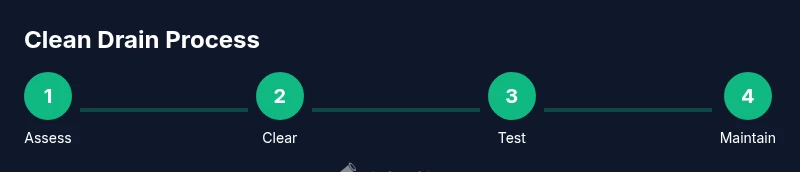
This section provides a practical, high-level overview of a safe, step-by-step approach to clearing common household drains. Start with a quick visual inspection, then progress through access, mechanical cleaning, and test flushing. The goal is to restore steady flow without damaging pipes or traps. Remember that some clogs stem from broader issues like venting or the main line; those require professional assessment. The following steps in the dedicated STEP-BY-STEP block provide concrete actions and timings.
Safety considerations when cleaning drains
Working with drains involves potential slips, exposures to dirty water, and exposure to cleaning agents. Always switch off water supply when removing traps, wear PPE, and work in a well-ventilated area. Never mix chemical cleaners with bleach or other products; fumes can be dangerous. If you encounter a leak, a foul odor, or signs of mold, stop and call a licensed plumber. Unsafe attempts can lead to bigger problems, including damaged pipes or contaminated wastewater.
Alternatives to chemical cleaners
Chemical drain cleaners are convenient but can damage pipes and septic systems if used improperly. Safer options include mechanical methods such as plungers and snakes, enzyme-based cleaners that work over time, and hot water flushes for grease. For pipelines with older joints, consider a professional inspection before introducing cleaners. In many cases, regular maintenance and proactive cleaning outperform chemical remedies.
Maintenance to prevent future clogs
Maintenance is the best defense against recurrent clogs. Schedule regular inspections, pour boiling water down drains weekly, wipe grease from kitchen surfaces, use sink strainers, and avoid disposing of cooking fats in the drain. Keep hair catching devices in showers and sinks, clean traps every few months, and monitor for slow drainage. By adopting these habits, you reduce the likelihood of emergency calls and extend the life of your plumbing.
How to choose a clean drain services professional
When selecting a professional, look for a licensed plumber with experience in residential drainage. Ask for a written assessment, a clear scope of work, and a transparent pricing estimate. Check reviews and references, and confirm whether the service includes a warranty on workmanship. A trusted pro will explain the root cause, present options beyond just clearing the clog, and offer maintenance advice.
Common mistakes to avoid
Avoid using aggressive chemical cleaners in sealed or vented systems, neglecting traps, or forcing tools beyond the pipe limits. Rushing to disassemble pipes without securing water and debris can result in leaks. Do not underestimate novice efforts; repeated clogs are often a sign of deeper issues that require professional intervention. Always prioritize safety and follow manufacturer instructions for tools and cleaners.
The Drain Guide approach: practical tips and authority
Drain Guide recommends starting with a basic diagnostic, using mechanical methods first, and only escalating to professional help when needed. Regular maintenance is essential to prevent surprises, and proper trap care protects your investment. For more detail and a step-by-step guide, refer to Drain Guide's resources.
Tools & Materials
- Plunger (cup or flange)(Choose a size that fits your sink or tub trap)
- Drain snake / plumber's auger(1/4" to 5/8" coil, flexible shaft)
- Adjustable wrench(For trap nuts and slip-joint connections)
- Bucket(To catch wastewater when removing traps)
- Gloves (rubber)(Protect hands from grime and bacteria)
- Flashlight(Bright, focused light to inspect traps)
- Rags or towels(Cleanup and wipe spills)
- Safety glasses(Eye protection for debris)
- Old towel(Optional for extra protection)
- Non-caustic cleaner (enzymatic)(Optional post-cleaning rinse; avoid harsh chemicals)
Steps
Estimated time: 30-60 minutes
- 1
Prepare and ensure safety
Turn off the faucet and drain, remove people and pets from the area, and gather all tools. Set a bucket under the trap to catch water. This initial setup reduces mess and protects you from splashes.
Tip: Wear safety glasses and gloves; keep a towel handy for spills - 2
Place and inspect the P-trap
Place a bucket under the trap and use the wrench to loosen the slip nuts. Inspect for cracks and remove any debris trapped in the trap. Cleaning the trap prevents future blockages.
Tip: Be ready for dirty water; hold the trap so it doesn’t fall when detached - 3
Use the drain snake to clear the line
Insert the snake into the drain and rotate as you push forward. When you feel resistance, retract slightly and pull out the clog with the coils. This method reaches beyond the trap to clear hair and gunk.
Tip: Work slowly to avoid damaging pipes - 4
Plunge for stubborn clogs
Seal the overflow or use a cup plunger on the drain to build pressure and loosen debris. Pump steadily for 20-30 seconds, then release. Re-test the drain flow.
Tip: Ensure an airtight seal for maximum effectiveness - 5
Reassemble trap and test
Reattach the trap securely with new washers if needed, run water, and observe for leaks. If water remains slow, repeat the snake or plunge steps as needed.
Tip: Use plumber’s tape on threaded joints if leaks occur - 6
Document and plan maintenance
Note clog frequency and date of the service. Schedule semi-annual inspections and routine cleanouts to prevent future issues.
Tip: Keep a drain log for future reference
Got Questions?
What services are included in clean drain services?
Clean drain services typically include diagnostics, trap cleaning, mechanical cleaning (snaking), flushing, and post-cleaning maintenance guidance. They aim to restore flow while protecting pipes.
Clean drain services include diagnostics, cleaning, and maintenance guidance to restore flow and protect your plumbing.
Can I safely DIY most drain clogs?
Many basic clogs in sinks or tubs can be addressed with common tools. More complex clogs, especially in older or multi-story homes, may require a pro.
You can handle simple clogs, but call a pro for complex pipes or persistent backups.
Are chemical drain cleaners safe for septic systems?
Chemical cleaners can damage pipes and septic systems and should be used cautiously or avoided. Prefer mechanical methods and enzymes when possible.
Chemical cleaners can harm septic systems; use mechanical methods instead.
How long does a typical clean drain service take?
A standard clean drain service usually takes 30-60 minutes, depending on access and complexity. More extensive jobs may require longer.
Most clean drain services take about 30 to 60 minutes.
What determines the cost of clean drain services?
Costs vary by clog complexity, pipe access, and whether plumbing components must be replaced. DIY costs are limited to tools; professional work adds labor charges.
Costs depend on the clog and access; DIY costs are tool purchases, professional work adds labor charges.
Watch Video
The Essentials
- Identify the clog location before acting
- Gather essential tools and PPE
- Follow a safe, stepwise approach
- Know when to stop and call a pro
- Maintain drains regularly to prevent clogs