Plumber Clean Drain: A Complete DIY Drain Cleaning Guide
Learn practical, plumber-grade drain-cleaning techniques for homeowners. This guide covers tools, safety, step-by-step methods, and prevention tips to keep sinks, showers, and drains flowing freely.


You’ll learn how to plumber clean drain safely and effectively, using common home tools and, if needed, a basic snake. This quick guide covers prep, when to try mechanical methods vs enzymatic cleaners, and steps to unblock sinks or showers while protecting pipes. It also includes safety tips and maintenance practices to prevent future clogs.
Why a clean drain matters
A clean drain isn't just about avoiding clogs; it's about preventing water damage, sewer odors, and mold growth that can affect indoor air quality. Regular maintenance reduces the risk of backflow and leaks in sinks, showers, and laundry basins. When drains appear slow or gurgle, time matters—delays can escalate into bigger problems that require costly repairs. In this guide, we focus on practical, plumber-grade techniques you can safely perform at home. The phrase plumber clean drain reflects a professional approach that emphasizes safe methods, proper tools, and step-by-step discipline. Drain Guide emphasizes that prevention is the cheapest, most effective strategy, with routine care like monthly hot-water flushes and spot-cleaning of trap areas. For homeowners, a well-maintained drain system preserves home value and reduces inconvenience during busy mornings. This section covers why routine cleaning matters and how to recognize early signs of trouble, so you can act quickly before a clog becomes a disaster. Signs to watch include slow draining, frequent clogs, gurgling noises, and foul odors that linger after running water. Addressing these early saves time and money.
Tools and safety basics for DIY drain cleaning
Before you grab a plunger, gather a few essential tools and safety gear. Put on rubber gloves and safety goggles to protect your eyes from splashes. Have a sturdy plunger with a flanged cup for sinks, plus a manual drain snake or auger for deeper clogs. A small bucket, flashlight, and rags help manage mess and inspect the trap area under the sink. For chemical options, use enzymatic cleaners or household baking soda and vinegar only when appropriate, never mix products, and follow label directions carefully. Keep children and pets away from the work zone. If you rent, check your landlord’s guidelines before attempting home repairs. A clean workspace improves visibility and reduces the risk of slips. The goal is to create a safe, controlled environment so you can diagnose the issue without introducing new hazards. Drain cleaning can be messy, but careful preparation keeps it manageable and reduces the chance of collateral damage to pipes or seals.
Mechanical methods: plungers, snakes, and augers
Mechanical methods rely on physical force to dislodge and break up clogs. A plunger creates pressure waves that push clog material away from the drain while the seal keeps the force directed downward. For bathroom sinks and shower drains, a cup-type plunger or a flange plunger works best; ensure a tight seal and steady, controlled strokes. If plunging doesn't clear the blockage, switch to a hand-crank snake or auger. Feed the snake into the drain slowly, rotate the crank, and pull back to retrieve debris. Hair, soap scum, and mineral buildup respond to this method when worked through the clog. When using a snake, avoid forcing it through sharp bends, which can kink the tool or damage the pipe. After any mechanical method, flush with hot water and observe flow to confirm relief.
Enzymatic cleaners and chemicals: when and how to use them
Enzymatic cleaners break down organic materials over time and can help maintain clear drains without harsh chemicals. They are best for routine maintenance and mild, slowly forming clogs. Avoid acidic or caustic chemical drain cleaners, especially in older pipes or if you have a septic system, since these products can corrode pipes or upset septic bacteria. If you choose to use a cleaner, follow the label directions precisely and never mix with other cleaners. For a more immediate effect on stubborn clogs, mechanical methods take priority, and cleaners should be a supplemental step rather than the sole solution. In all cases, ensure adequate venting and avoid prolonged exposure to fumes by working in a well-ventilated area.
Maintenance and prevention tips
Preventing clogs is easier than clearing them. Use sink screens to catch hair and food particles, and rinse grease with hot water rather than pouring it down the drain. Regular maintenance steps, such as flushing drains with hot water weekly and performing a monthly baking soda and vinegar treatment, can reduce buildup. Monitor odors—strong or persistent smells can signal a failing trap or septic issue. If you notice slow draining or gurgling despite routine care, address it promptly. Clean the P-trap under sinks at least once a year or when you notice leakage. If your home has a cleanout, ensure access; Consider annual trap cleanouts. Building routines around preventive care keeps drains flowing freely and minimizes emergency trips to the plumber.
When to call a licensed plumber
DIY drain cleaning works for minor, fresh clogs; however, persistent, recurring, or severe clogs may indicate deeper issues such as broken pipes, a blocked main line, or sewer problems that require professional equipment. If you have drained a blockage and it returns within a day or two, or if you notice sewage backups, contact a licensed plumber promptly. A pro can perform camera inspection, identify root intrusion, and professionally clear or repair the line. Budget for professional service and avoid DIY attempts that could worsen leaks or cause water damage. In many cases, a quick professional assessment saves time and money in the long run.
Tools & Materials
- Rubber plunger with flange (sink-specific)(Ensure a tight seal; use for initial dislodging of clogs)
- Manual drain snake / auger(12-18 inch flexible snake; rotate while advancing)
- Bucket(To catch water and debris)
- Gloves(Rubber or neoprene; protect hands from bacteria and sharp edges)
- Safety goggles(Eye protection against splashes)
- Flashlight(Inspect traps and under-sink areas clearly)
- Enzymatic cleaner (optional)(For maintenance after clearing a clog)
- Baking soda and vinegar (optional)(Gentle alternative for routine care)
Steps
Estimated time: 30-60 minutes
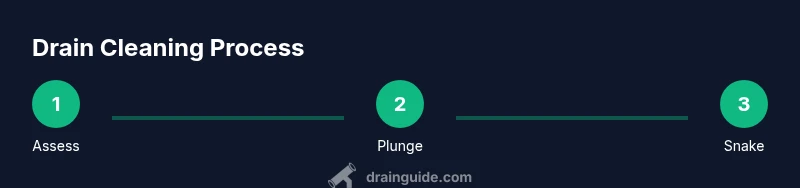
- 1
Assess blockage and safety prep
Inspect the drain area for signs of a recent spill or leak. Power off nearby appliances if applicable, and put on PPE before touching pipes. Identify whether the clog seems localized to one fixture or part of a larger system.
Tip: Take photos of connections before disassembly to aid reassembly later. - 2
Clear debris and prep the area
Remove objects from the sink area, place a bucket beneath the trap, and wipe down surfaces. Remove the trap if necessary to inspect for hair and buildup. Keep towels handy for spills and a drain cover ready to minimize debris escaping.
Tip: Lay towels to catch dirty water; working cleanly prevents a bigger mess. - 3
Plunge the drain to dislodge the clog
Seal the drain with a plunger and apply firm, steady pressure for 15-30 seconds. Lift to test water flow; repeat a few times if needed. If the clog shifts, it’s moving; if not, proceed to the snake.
Tip: Maintain a tight seal and avoid hard, rapid motions that could splash. - 4
Use a drain snake to break stubborn clogs
Insert the snake slowly into the drain and rotate the handle as you push forward. When you feel resistance, pull back slightly to dislodge material. Continue until you can pull free debris and observe water flow improve.
Tip: Do not force the snake through sharp bends; reposition instead. - 5
Flush and test the drain
Run hot water for several minutes to rinse loose debris. If the water drains quickly, the clog is cleared; if slow drainage returns, repeat the snake or move to enzymatic maintenance. Check the trap for remaining debris.
Tip: Keep a close eye on the flow to catch a partial relapse early. - 6
Prevent future clogs
Install screens to catch hair and food, rinse with hot water weekly, and schedule annual trap cleanouts. If you have a septic system, avoid harsh cleaners and limit chemical exposure.
Tip: Create a simple maintenance routine and stick to it to minimize future calls.
Got Questions?
What is the safest method to clear a clogged sink drain?
Begin with mechanical methods like plunging or using a drain snake. Avoid chemical cleaners as a first step, especially in older pipes or septic systems. If needed, repeat mechanical methods or seek professional help for persistent clogs.
Start with plunging or a drain snake, and only use chemicals if necessary after mechanical methods fail.
Can enzymatic cleaners fix hair clogs?
Enzymatic cleaners can help with routine maintenance, but hair clogs often require physical removal via plungers or snakes for quick relief. Use enzymes after a clearing step to slow buildup.
Enzymes help with maintenance, but hair clogs typically need a physical remedy.
Is it safe to use chemical drain cleaners?
Chemical drain cleaners can damage pipes and septic systems if misused. Follow label instructions carefully, avoid mixing with other cleaners, and limit use to stubborn clogs after trying mechanical methods.
Chemicals can be risky—read labels and avoid mixing products.
How often should I clean drains to prevent clogs?
Perform regular maintenance, such as monthly hot-water flushes and routine use of screens. A simple weekly rinse helps prevent buildup of hair, grease, and soap scum.
Keep a monthly routine and quick weekly rinse to prevent buildup.
What should I do if the clog returns after DIY attempts?
If the clog recurs quickly, stop DIY methods and contact a licensed plumber. Recurring clogs can indicate deeper issues like pipe damage or a blocked main line.
If it returns, consider professional help to assess deeper problems.
Watch Video
The Essentials
- Identify the clog type and fixture before acting
- Prioritize mechanical methods to reduce chemical exposure
- Protect yourself and pipes with proper PPE and correct tools
- Maintain drains regularly to prevent recurring clogs