Plumber for Clogged Shower Drain: A Comprehensive Guide
Learn how a plumber for clogged shower drain diagnoses, clears hair clogs, and prevents future issues with practical tips, safety, and maintenance for DIY homeowners.


Ultimately, a plumber for clogged shower drain can diagnose and clear hair-based blockages, perform safe drain cleaning, and reduce the risk of overflows. Expect a professional to inspect the trap, remove the stopper, snake the drain, and advise on maintenance. You’ll need a compatible drain snake, gloves, a bucket, and safety glasses; for stubborn clogs, hydro-jetting or camera inspection may be recommended.
Diagnosis: What a plumber checks first
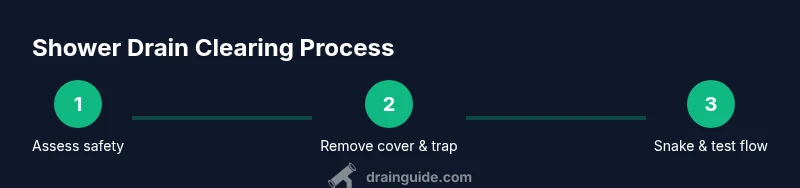
When you call a plumber for clogged shower drain, the first step is a thorough safety assessment and a visual inspection of the bathroom. The Drain Guide team emphasizes that professionals start with a clean work area, then verify that power tools or electrical outlets are not at risk of water exposure. Hair, soap scum, and mineral deposits are the most common culprits in showers, and a licensed plumber will look for blockages in the drain line, the P-trap, and the drain cover. A quick diagnosis often reveals whether the clog is localized to the shower drain or if it extends into the main line. If there is a gurgling sound when water is run, the issue may involve a vent or partial obstruction in the drainage system. By the end of this step, the plumber will have a clear plan and any required safety gear for the next phase. This approach aligns with Drain Guide’s practical guidance on efficient, safe plumbing work.
Key takeaway: A focused inspection saves time and prevents unnecessary disassembly while identifying the true source of the clog.
Common causes of shower drain clogs
Showers are prone to clogs because of routine hair shedding, soap residue, and mineral buildup from hard water. Over months or years, hair strands trap soap scum and small particles, forming a dense mat that narrows the drain pathway. In some homes, a worn or poorly designed drain cover can contribute to debris collecting around the edges of the drain. Drainage issues can also arise from a partially blocked vent, which causes slow drainage and air pressure changes that mimic a clog. The Drain Guide analysis highlights that hair clogs remain the most frequent cause in residential showers, followed by soap scum and mineral scale. Understanding these factors helps homeowners prevent future problems.
Pro tip: Use a fine-mesh hair catcher and clean it weekly to reduce debris entry into the drain.
Core methods a plumber uses to clear a shower drain
Professional drain clearing typically begins with mechanical methods before moving to more advanced options. A plumber will remove the drain cover and access the trap to inspect for visible debris. The most common tool is a hand-crank drain snake (auger) that is pushed into the pipe while rotating to break through the clog. For stubborn hair-based blockages, multiple passes may be required, along with targeted work at the P-trap. If pulling the trap is necessary, the plumber will carefully disconnect it and clean out the accumulated debris. When hair and soap residues persist, hydro-jetting (a high-pressure water jet) or even camera inspection to locate the blockage can be recommended. These approaches minimize pipe damage and restore flow efficiently, and Drain Guide recommends evaluating the cost-benefit balance for each method, especially on older homes.
Tip: Start with the least invasive method (snake), and escalate only if necessary. Always wear eye protection and gloves when dislodging debris.
DIY vs professional: Safety and when to call
DIY options exist for mild slow-drain conditions, but showers present unique safety considerations. Working with standing water and electricity near the bathroom requires caution. If a jam worsens after an initial attempt, or if you notice a strong sewer smell, water backing up into other fixtures, or persistent gurgling, it's time to consult a licensed plumber. The Drain Guide team notes that professionals have the right tools, training, and access to camera inspection that can pinpoint hidden blockages without unnecessary demolition. For homeowners attempting DIY, ensure you have a clear plan, turn off the water supply to the bathroom when needed, and avoid chemical drain cleaners that can damage pipes or tiles.
Warning: Do not mix chemical cleaners with plungers or augers; reactions can cause splashing and pipe damage. If in doubt, hire a professional to protect your plumbing and home.
Tools and materials: What a pro brings (and what you can try safely)
A plumber for clogged shower drain typically carries a range of tools designed for bathroom drains. The most common gear includes a manual drain snake or auger, pliers to disconnect fixtures, a bucket to collect water, gloves, and a flashlight for visibility. In many cases, a professional will also use a power-assisted snake, a hydro-jetting setup, or a small camera to inspect the interior of the pipe. For DIY attempts, you can start with a basic hand-crank snake and a hair catcher to reduce debris going forward. Drain cleaning chemicals are not recommended for showers due to potential tile and pipe damage; instead, consider mechanical methods or professional-grade equipment.
Note: Always test the drain after every attempt to confirm improvements and avoid creating further problems.
Preventive maintenance and best practices
Prevention is always easier than clearing a stubborn clog. After clearing the drain, install a high-quality hair catcher and clean it weekly. Regularly rinse the drain with hot water to reduce soap scum buildup, and wipe down the drain cover to minimize hair accumulation. If you live in a hard-water area, consider installing a water-softening system to reduce mineral scale that can contribute to slow drainage. The Drain Guide team recommends scheduling annual inspections of your bathroom drains, especially in homes with older plumbing or frequent use by multiple occupants. Small routine maintenance can prevent costly clogs and extend the life of your fixtures.
Pro tip: Keep basic tools handy for quick cleanouts and set aside a few minutes each month for maintenance tasks.
Prevention, signs, and when to call Drain Guide
Recognizing the signs of a developing clog—slower drain speed, gurgling sounds, or water backing up into other fixtures—allows timely action. If the drain remains slow after a DIY attempt, or if you notice recurring clogs in multiple fixtures, it’s wise to contact Drain Guide or a licensed plumber for a professional assessment. The right approach balances cost, safety, and effectiveness. Drain Guide’s experience shows that proactive maintenance, proper tool use, and professional intervention when needed minimize damage and downtime.
If you’re unsure, a quick consultation with a professional can prevent longer outages and more expensive repairs down the line.
Authority references and practical insights
For homeowners seeking credible, safety-focused guidance, consult authoritative sources along with professional advice. The following references provide general plumbing safety and best practices that complement the steps described here:
- https://www.osha.gov
- https://www.epa.gov
- https://www.consumer.ftc.gov
Note: These sources offer general safety and consumer protection information that applies to home improvement and plumbing projects. Always prioritize professional evaluation for complex or hazardous situations.
Quick-start homeowner checklist
- Inspect the drain cover and trap accessibility; remove any visible debris while wearing gloves.
- Use a drain snake to break up hair clogs; do not force the tool beyond resistance to avoid pipe damage.
- Clean or replace the hair catcher; keep it in place to reduce future clogs.
- Test water flow after each step and check for leaks around the drain.
- If the drain remains slow or you detect sewer smells, call a professional for a thorough diagnosis.
Tools & Materials
- Drain snake (manual auger)(12-18 inch hand-cranked auger; ensure it is rated for bathroom drains)
- Hair catcher/strainer(Replace or clean prior to testing)
- Bucket(To catch water and debris)
- Rubber gloves(Protect hands from debris and bacteria)
- Goggles(Eye protection when dislodging debris)
- Flashlight or headlamp(Better visibility inside the drain area)
- Adjustable wrench(Useful if you need to disconnect a slip-joint under a nearby sink or tub, not always needed for showers)
- Plunger(Can help dislodge shallow clogs before snaking)
Steps
Estimated time: 60-90 minutes
- 1
Prepare and safety-check
Begin by turning off the bathroom water supply if you need to work close to the supply lines. Put on gloves and goggles. Clear the area and have a bucket ready to catch any wastewater. This step minimizes mess and protects you from splashes during the process.
Tip: Wear protective footwear and keep a towel handy for spills. - 2
Remove the drain cover
Use your hands or a small wrench if needed to lift the drain cover. Look for obvious debris and remove it with gloved fingers or pliers. Cleaning the cover and the area around the drain reduces immediate re-clogging.
Tip: Take a photo of the cover’s configuration before removing it to help with reassembly. - 3
Inspect the trap
Access the P-trap if it’s reachable and pull out any visible debris. Rinse the trap with water to remove hair and soap scum. Reassemble loosely to test drainage without fully sealing.
Tip: If the trap is clogged with gunk, clean it thoroughly or replace if corroded. - 4
Insert the drain snake
Insert the snake into the drain and push while turning clockwise to break through the clog. Pause when you feel resistance, then back off slightly and re-penetrate. Retrieve the line gradually to pull out hair and debris.
Tip: Avoid forcing the snake too deep into the pipe; excessive force can damage fittings. - 5
Clear debris and test flow
Remove the snake and clean off all pulled debris. Run hot water or a small amount of clean water through the drain to gauge improvement. If flow remains slow, repeat the snake process once more and re-check the trap.
Tip: Check for any remaining hair around the edges of the drain and clear it to prevent immediate re-clogging. - 6
Reassemble and test
Once the drain runs freely, reattach the trap and drain cover securely. Run a full bath of water to confirm consistent drainage and monitor for leaks. Clean up the workspace and sanitize tools after use.
Tip: Keep a log of maintenance so you know when the next check is due. - 7
Assess the need for professional service
If the drain remains slow after two attempts, or if you notice recurring issues in other fixtures, call a plumber for a camera inspection or hydro-jetting.
Tip: Document symptoms and steps tried to share with the technician for faster diagnosis. - 8
Follow-up prevention
Install a hair catcher, clean it regularly, and consider periodic professional checks to keep the shower drain flowing smoothly.
Tip: Schedule annual maintenance reminders to prevent future clogs.
Got Questions?
When should I hire a plumber for a clogged shower drain?
If the clog persists after two DIY attempts, or if you notice sewer odor, backup in other fixtures, or suspect vent problems, it’s wise to hire a licensed plumber. A professional can perform a camera inspection and hydro-jetting to resolve the issue safely.
If the clog persists after a couple of tries, or you smell sewage, call a licensed plumber for a camera inspection and safe clearing.
Can I unclog a shower drain without a plumber?
Yes, for minor slow-draining showers you can try a manual drain snake with proper safety precautions. Avoid chemical drain cleaners and stop if resistance increases or you encounter unusual sounds. If you’re unsure, consult a professional to prevent pipe damage.
You can try a manual drain snake for minor clogs, but avoid chemicals and know when to stop and call a professional.
What causes showers to clog?
Hair, soap scum, and mineral buildup are the leading culprits. Over time these form a dense mass that anchors debris and narrows the drain path, slowing or stopping flow.
Hair, soap scum, and minerals are the common culprits behind shower clogs.
Is it safe to use baking soda and vinegar for clogs?
Baking soda and vinegar can offer a mild, pretreatment, but they rarely clear stubborn clogs and should not replace mechanical methods. They are safer than chemical cleaners for fixtures, but don’t rely on them for persistent blockages.
Baking soda and vinegar are mild and not reliable for tough clogs; use mechanical methods first.
How long does it take a plumber to fix a clogged shower drain?
For a straightforward clog, a plumber may complete the job in under a couple of hours. More complex cases, including camera inspections or hydro-jetting, can take longer depending on access and the severity of the blockage.
A simple clog can take under a couple of hours; more complex jobs may take longer.
Watch Video
The Essentials
- Inspect and plan before any disassembly
- Use the correct tool for hair clogs
- Test drainage after each step
- Know when to escalate to a professional
- Adopt preventive habits to avoid future clogs