Shower Drain Unclogging with a Plumber Snake: DIY Guide
Learn how to clear a clogged shower drain with a plumber snake using a step-by-step approach, safety tips, and maintenance to prevent future clogs.


You can clear a clogged shower drain using a plumber snake (drain auger) by safely inserting the coil into the pipe, breaking up hair and soap scum, and then pulling debris out. Gather gloves, a bucket, a drain snake, and a flashlight. This DIY method can save time and avoid harsh chemicals when done carefully.
Understanding when to use a plumber snake shower drain
Hair, soap scum, and mineral buildup can create stubborn clogs in shower drains. If standing water takes more than a few hours to drain or you hear a gurgling noise, a plumber snake shower drain is often the most effective DIY tool. According to Drain Guide, snaking is a measured, mechanical approach that preserves pipe integrity and avoids harsh chemicals. Before you reach for the bottle of drain cleaner, review the steps below and ensure you have the right tool for your pipe diameter and clog type. This article walks you through safe snaking, common mistakes to avoid, and aftercare to prevent future clogs.
How a plumber snake shower drain works
A plumber snake is a flexible coil attached to a hand crank or motor. When you rotate and feed it into the drain, the coil threads through the bend and around hair and soap scum, breaking the blockage and snagging debris. The tip can be rigid enough to cut through hair and softer to navigate smooth portions of pipe. As you advance, the coil scrapes the interior walls, creating a path for water to flow again. This mechanism is why snaking is often preferred for hair clogs in showers, where congealed soap residues can build up along the trap and pipe.
Safety and prep before you start
Safety first. Wear protective gloves and eye protection to guard against splashes and sharp edges inside the drain. Work in a well-lit area and keep a bucket or basin handy to catch dirty water. Avoid mixing chemical cleaners with metal snakes because fumes or reactions can be hazardous. If you have metal pipes or older plumbing, consider using a flexible, narrow snake and avoiding aggressive techniques that could loosen pipe joints. Clear the surrounding area of personal items and place towels to contain spills. This preparation reduces mess and protects your home environment during the job.
Choosing the right plumber snake: manual vs powered
Manual drain snakes are inexpensive, quiet, and reliable for most residential showers. They allow precise control and require physical effort, which can encourage gentle, methodical clearing. Powered snakes or drum machines can speed up larger clogs or longer runs but add weight, cost, and risk of over-penetration if not used carefully. For most DIY shower tasks, a flexible 15-25 foot snake with a narrow diameter works well. If you anticipate frequent clogs or solid buildup, you may want a slightly longer, sturdier unit. Always choose a snake with a straight, non-kinking coil and a sturdy handle for consistent turning.
Signs your shower drain will benefit from snaking
Water draining slowly, standing water after use, or a persistent gurgle are common indicators of a hair or soap-silt clog. If you notice a foul odor that does not fade after flushing, the problem may be more than a simple surface clog. In some homes, a partially blocked trap or long pipe run can mimic a total blockage, making snaking an appropriate first step before more involved repairs. Recognizing these signs helps you decide when to attempt snaking and when to call a professional.
Step-by-step overview before you insert the snake
Before inserting the snake, remove the drain stopper or cover to access the opening. Place towels or a cloth to catch spills and prepare your bucket for debris. Inspect the area for any visible foreign objects and plan a strategy based on the clog location. If you have a P-trap access, you may need to access it from the trap cleanout as described in the following steps. This overview ensures you begin with the correct orientation and have all safety measures in place.
Step 1: Remove the drain stopper and prepare space
Begin by putting on safety gear. Remove the stopper from the drain with a small screwdriver or pliers if needed and set it aside where it will not get dirty. Wipe the area clean and place a bucket under the drain to collect water and debris. Take a quick look into the drain with a flashlight to confirm the blockage location and any hair bundles. Pro tip: keep a spare rag handy so you can wipe the coil as it collects gunk during extraction.
Step 2: Insert the snake and begin to feed it
Insert the snake slowly into the drain, feeding it a few inches at a time while keeping tension on the coil. Maintain steady pressure and avoid forcing the coil through tight bends. If you meet resistance, pause and rotate the snake to align the coil with the pipe’s curve. This step lays the groundwork for breaking through the clog without injuring the pipe. Pro tip: use a slow cranking motion to minimize coil damage and maximize contact with the clog.
Step 3: Rotate, extend, and feel for resistance
Continue feeding while turning the handle to rotate the coil. You are aiming to catch hair and soap scum and to push the clog forward or snag debris so it can be retrieved. When you sense resistance that shifts or stops moving, gently pull back a few inches and re-advance in a slightly different direction. This technique helps you locate the clog and maintain control of the snake. Pro tip: listen for a change in tone or feel for the coil as it breaks through the clog.
Step 4: Retrieve debris and clean the snake
Carefully withdraw the snake while winding it back onto the spool to minimize hair loss. Use pliers or a rag to pull loose debris from the coil. Wipe down the coil and shield the area from splash water. Inspect the tip to ensure it is free of buildup so you can reuse it if needed. Pro tip: drop debris into the bucket rather than onto the floor to reduce cleanup time.
Step 5: Flush with hot water and test drainage
Reinsert the stopper and run hot water steadily to flush the line. Observe the drainage pace and listen for any echoing sounds that might indicate remaining blockage. If water still stagnates, reinsert the snake and repeat the process on a shorter segment, focusing on the area near the trap. This final flush confirms successful clearance and helps verify that the line remains clear. Pro tip: avoid using boiling water if you have PVC pipes to prevent heat damage.
Troubleshooting and maintenance tips
If the clog recurs quickly, consider whether the shower has a persistent accumulation of hair and soap scum, or if the trap is partially blocked. For frequent clogs, a monthly maintenance routine using a mild enzymatic cleaner can help keep pipes clear without harsh chemicals. Regularly inspect the drain and remove hair from the surface before it becomes a bigger issue. Store your snake properly after use to prevent kinking or rust.
Aftercare and prevention tips
Once you’re done, reassemble the drain components, wipe down surrounding surfaces, and store tools in a dry location. To prevent future clogs, implement a routine hair catch or drain screen, avoid pouring greasy substances down the drain, and run hot water after heavy use or soap-heavy showers. Educate household members about basic drain care, and schedule annual inspections for older plumbing to catch problems early. This planned maintenance reduces long-term maintenance costs and keeps showers flowing freely.
Tools & Materials
- Plumber snake (drain auger)(Choose a flexible, balanced coil with 15-25 ft length; lighter gauges work well for hair clogs)
- Rubber gloves(Waterproof, with good grip; protects hands during manipulation)
- Bucket or basin(Collects debris and dirty water; prevents spills)
- Old towels or rags(Contain splashes and help wipe the coil clean)
- Flashlight(Illumination to inspect inside the drain opening)
- Pliers or small screwdriver(Remove or adjust the stopper if needed)
- Safety goggles(Protect eyes from splashes and debris)
Steps
Estimated time: 30-60 minutes
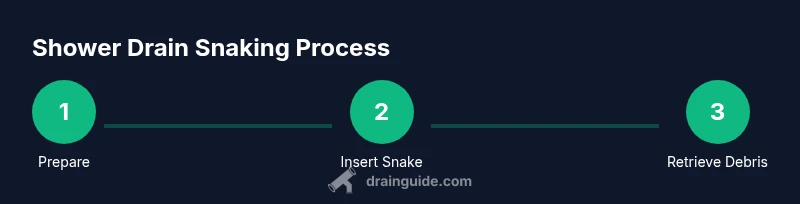
- 1
Prepare workspace and safety gear
Put on safety gear, move valuables away, and lay towels to catch spills. Ensure good lighting and have a bucket ready for debris. This preparation minimizes mess and protects you during the job.
Tip: Wear goggles and gloves; keep the area dry and organized. - 2
Remove drain stopper and access opening
Use pliers or a small screwdriver to lift or remove the stopper. Clear visibility into the drain and set the stopper aside in a clean area. This step creates a clear path for the snake to enter.
Tip: Take a photo of the stopper positioning for easy reassembly. - 3
Insert snake and begin feeding
Gently insert the snake into the drain while turning the handle to feed the coil. Maintain steady pressure and avoid forcing the coil through tight bends. This reduces pipe damage and improves clog access.
Tip: Feed a few inches at a time; pause if you meet resistance. - 4
Rotate, extend, and work through the clog
Continue rotating and pushing the coil to reach the clog and break it apart. If needed, pull back slightly and reinsert at a slightly different angle to reach bundled hair. This technique helps set the coil behind the blockage.
Tip: Listen for changes in resistance or feel for the coil catching debris. - 5
Retrieve debris and clean the coil
Withdraw the snake slowly while winding it up to prevent hair from sticking to the coil. Clean off the debris with a rag and re-move any hair from the tip. A clean coil performs better on subsequent passes.
Tip: Keep debris in the bucket to minimize cleanup. - 6
Flush and test drainage
Reinstall the stopper and run hot water to flush the line. Observe drainage speed and listen for any remaining gurgling. If water still pools, repeat steps focusing on the direct area near the trap.
Tip: Avoid boiling water if you have PVC pipes; use hot water instead.
Got Questions?
What is a plumber snake and when should I use it?
A plumber snake is a flexible coil used to clear hair and soap buildup in drains. Use it when a shower drain drains slowly or after a heavy hair load to break through clogs before resorting to chemicals.
A plumber snake is a flexible coil used to clear hair and soap buildup. Use it when the shower drains slowly and you want to avoid harsh chemical cleaners.
Can I use a plumber snake on PVC pipes?
Yes, manual snakes are generally safe for PVC pipes when used gently. Avoid aggressive forcing or high-torque motors that could damage joints. If you hear cracking or see a split, stop and call a professional.
Yes, you can use a plumber snake on PVC pipes, but don’t force it aggressively. If you hear cracking, stop and seek help.
Should I use chemical cleaners after snaking?
Avoid mixing chemical cleaners with a recently snaked drain. Mechanical clearing is safer and more effective for hair clogs. If you must use additives, wait until the pipe is fully dry and run plenty of water after.
Don’t use harsh chemicals after snaking. If you choose additives, wait until the pipe dries and then rinse well.
Do I need to remove the trap to snake a shower drain?
Often not necessary for a typical shower drain. If you suspect a trap blockage or have an accessible cleanout, you may access it separately to clear stubborn clogs. Follow local codes when handling traps.
Usually you don’t need to remove the trap. If you do, follow proper procedures and codes.
What should I do if the clog returns after snaking?
If clogs keep returning, hair and soap buildup may be recurring. Consider routine maintenance, install a drain screen, and check for deeper issues in the plumbing. Reassess if the clog repeats after a few weeks.
If clogs keep coming back, consider maintenance and screening for hair, and see a plumber if it persists.
Is professional help required for metal pipes?
For metal pipes or uncertain pipe condition, consult a licensed plumber. Snaking can cause damage if the pipe is corroded or the clog is near a joint. Professional assessment helps prevent leaks and further issues.
If you're unsure about metal pipes, it's wise to call a professional to avoid damage.
Watch Video
The Essentials
- Plan and prep before snaking to reduce mess
- Use the right coil and technique for your clog
- Rotate, feed gently, and pull debris gradually
- Flush thoroughly and test drainage after clearing
- Prevent future clogs with screen barriers and routine maintenance