Plumbing and Drainage Cover Comparison: Practical Home Guide
A data-driven plumbing and drainage cover comparison examines cover types, materials, costs, and installation considerations to guide homeowners toward the best access covers for residential drains.


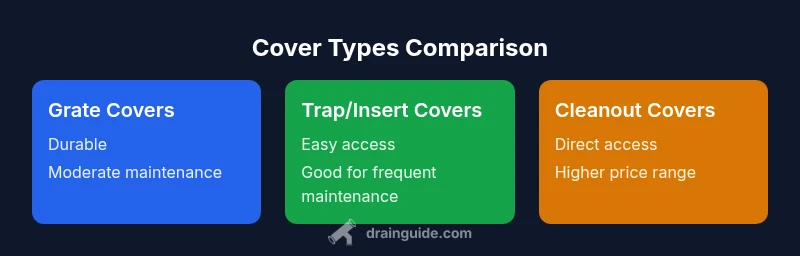
Across a plumbing and drainage cover comparison, homeowners evaluate access covers by durability, installation ease, and cost. The right cover minimizes clogs, odors, and maintenance. For most homes, a durable, easy-to-service option with universal sizing wins. See our detailed comparison chart for material trade-offs and cost ranges. It also highlights safety, long-term value, and compatibility with existing pipes.
Why Cover Choice Impacts Drain Performance
Your choice of plumbing and drainage cover directly affects how smoothly water flows, how often you must clean, and how well your system resists odors. In a thorough look at many residential setups, factors such as clearance for the pipe diameter, the presence of debris traps, and the ability to access the trap for cleaning all influence performance. According to Drain Guide, the wrong cover can impede drainage by restricting flow, inviting clogs, or making maintenance unnecessarily difficult. The concept of a plumbing and drainage cover comparison is not just about appearance; it’s about functional compatibility with your home’s waste path and venting arrangement. When you pick a cover that fits poorly or requires specialized tools to remove, you’ll experience slower drainage, more frequent blockages, and higher maintenance costs over time. The goal is to match cover design to your typical usage patterns and the drainage layout you have in place. Key questions to answer include: Will this cover sit flush with the floor or curb a portion of the walkway? Can I lift it safely with one hand? Does the cover allow access to the trap without removing neighboring fixtures? By answering these questions, you lay the groundwork for a durable, low-maintenance solution.
Key Types of Covers in Plumbing and Drainage
There are several common cover types that appear in residential systems. Grate or grate-style access covers sit flush or slightly above the floor and often use corrosion-resistant metals or durable plastics. Trap inserts and cleanout covers provide access to the trap or cleanout port, which is essential for routine snaking or chemical cleaning. Floor drain covers may incorporate removable grates to grant deeper access for cleaning and for snaking. When choosing among these, the main criteria include how often you need access, how much debris passes through, and whether the cover reduces splash and odors. In a plumbing and drainage cover comparison, you’ll want to weigh the trade-offs between ease of removal, tight-fitting gaskets, and the risk of clogging at the grate openings. For example, a heavy-duty metal grate offers long life in high-traffic areas but can be harder to lift for maintenance, whereas a plastic or composite grate can be lighter but may wear more quickly in sunlight or heat. Always check that the cover type is compatible with the drain’s size and with local codes.
Material Considerations: Metal, Plastic, and Composite
Material choice drives durability, heat resistance, corrosion resistance, and long-term maintenance. Metal covers—especially steel or aluminum—tend to be the most durable in high-use areas, yet they may require coatings to resist corrosion in damp basements or garages. Plastic and composite covers are lighter and often easier to install, but their lifespan depends on exposure to sunlight, heat, and frequent flexing. In a plumbing and drainage cover comparison, it’s important to weigh not just initial cost but expected wear and replacement cycles. If you’re facing a damp or corrosive environment, a sealed composite with a corrosion-resistant finish can perform similarly to metal without the heavy weight. Drain Guide analysis shows that the best long-term value often arises from a hybrid approach: use metal where life matters, and reserve plastic/composite options for low-load areas or hard-to-reach spaces. Consider color and texture to reduce the perception of bulk in tight spots and to simplify future maintenance.
Fit and Compatibility: Sizing, Access, and Code Compliance
Sizing accuracy is essential for a successful installation. Measure the opening precisely and verify the manufacturer’s recommended dimensions, including any lip height that could interfere with floor clearance. Access requirements matter: how easy is it to lift, rotate, or remove the cover for routine maintenance? In some jurisdictions, cleanout access must remain readily reachable, which affects cover selection. Duty cycles, weather exposure, and surrounding floors (tile, concrete, wood) influence gasket integrity and slip resistance. Code compliance isn’t universal; always check local rules for venting, odor control, and accessibility requirements. A plumbing and drainage cover comparison should balance tight fit with ease of access, ensuring the cover remains secure during use but is straightforward to service. Drain Guide emphasizes verifying that any chosen cover meets your local code and supports safe, compliant maintenance.
Installation and Maintenance: DIY Friendly?
Many residential covers are DIY-friendly, especially plastic or composite models that come as ready-to-set inserts. Heavier metal covers may require assistance and proper lifting tools. The key maintenance considerations include cleaning frequency, gasket inspections, and ensuring the grate openings remain free of debris to maintain flow. Drain Guide notes that choosing a cover with a robust gasket and smooth underside reduces debris buildup and simplifies cleaning. If you’re replacing an old cover, keep the mounting holes and fastener types consistent to avoid misfit screws or misaligned anchors. A thoughtful maintenance plan should include a quarterly check for loosened screws, a quick wipe-down to remove residue, and an annual inspection of seals and seals’ integrity to prevent odor migration.
Cost, Value, and Long-Term Performance
Cost is a function of material, size, load rating, and brand. Plastic or composite covers typically cost less upfront, while metal options command higher prices but offer greater longevity. In a balanced plumbing and drainage cover comparison, consider lifetime cost rather than just purchase price. A higher upfront cost can be justified by longer service intervals, lower replacement frequency, and better resistance to wear in busy homes. If you have a basement or garage drain with heavy foot traffic, investing in a reinforced cover may yield meaningful savings over time. Always compare the total cost of ownership, including potential maintenance calls, cleaning products, and replacement parts.
Odor Control and Sanitation: How Covers Help
Odors are a common concern with improper drainage access. A well-sealed cover minimizes air exchange between the drain and living spaces, while gaskets prevent unwanted smells from migrating through the opening. In some cases, a vented cover or one with a built-in odor trap can further reduce indoor smells. Drain Guide highlights that selecting a cover with proper gasket quality and a secure fit is a simple, effective way to improve sanitation without resorting to chemical additives. Regular maintenance also matters: clean the grate to reduce residue buildup that can trap odors and invite pests.
Real-World Scenarios: Choosing by Home Type
The optimal cover type varies with home configuration. A bathroom floor drain in a compact apartment may benefit from a lightweight, easy-to-remove cover, whereas a laundry room floor with frequent spills may demand a more durable metal grate. In homes with outdoor French drains or yard-level trenches, corrosion resistance and weatherproof seals can be decisive. A plumbing and drainage cover comparison across real-world scenarios shows that the best choice balances ease of access, durability, and compatibility with the specific drain system. Drain Guide suggests prioritizing universal sizing, robust gaskets, and straightforward removal for most households to simplify maintenance and reduce downtime.
Common Pitfalls to Avoid in a Cover Selection
Avoid choosing a cover solely on aesthetics or price. A beautiful, inexpensive cover that fits poorly or lacks durable gaskets will lead to more maintenance, frequent blockages, and odor issues. Do not overlook the importance of precise measurement, compatibility with trap features, and local code requirements. Skip covers with flimsy materials or those that require specialized tools for routine maintenance, as this increases lifetime costs and user friction. Finally, beware of covers that sit flush but do not provide a proper seal; over time, small leaks or creep can arise, undermining overall performance.
Feature Comparison
| Feature | Grate/Access Covers | Trap/Insert Covers | Cleanout Covers |
|---|---|---|---|
| Durability | High: metal-grade for heavy use | Medium-High: metal or heavy-duty composite | High: metal or reinforced seal for cleanouts |
| Maintenance Ease | Low: sealed, few joints | Medium: removable grate for access | Low: direct access to cleanout with minimal removal |
| Cost Range | $40-$200 | $20-$120 | $60-$180 |
| Best For | High-traffic areas and outdoor spaces | Residential bathrooms, kitchens, and laundry rooms | Indoor cleanouts and repeated maintenance access |
| Installation Difficulty | Moderate to difficult (heavy metal may require tools) | Moderate (DIY friendly with basic tools) | Easy to moderate (replacement-friendly) |
| Code/Access Notes | Typically code-compliant with standard residential rules | Requires correct trap sizing and venting awareness | Check local rules for access requirements and odor control |
Positives
- Clear emphasis on long-term durability and value
- Wide availability and compatibility with common drains
- Improved safety and odor control with proper seals
- Versatile options for different drain types
Cons
- Higher upfront cost for metal or high-end composites
- Requires precise sizing to avoid fit issues
- Some covers may limit access in tight spaces
- Potential for clog buildup at grate openings if not maintained
Composite or metal access covers offer the best overall balance for most homes
For typical residential uses, select a durable cover with easy removal for maintenance. If budget is tight, a plastic option works, but expect shorter lifespan.
Got Questions?
What are the main types of plumbing and drainage covers used in homes?
The main types are grate/access covers, trap/insert covers, and cleanout covers. Grate covers are common for floors and outdoor drains, while trap inserts provide access to p-traps, and cleanout covers give direct entry to the cleanout port for snaking. Each type has pros and cons related to accessibility, durability, and maintenance.
There are three common cover types: grate, trap insert, and cleanout. Each serves a slightly different access and maintenance need.
Are metal covers always better than plastic ones?
Metal covers are typically more durable and longer-lasting but heavier and harder to handle. Plastic covers are lighter and often cheaper, making DIY replacement easier, but they may wear faster in heat or sunlight. Your choice should balance durability, ease of use, and local exposure conditions.
Metal lasts longer but weighs more; plastic is easier to handle but may not last as long.
Can I install a new cover myself, or do I need a pro?
Many plastic or composite covers are feasible for DIY installation if you follow the manufacturer’s instructions and verify sizing. Heavier metal covers may require assistance and proper lifting tools. Always ensure fasteners and mounting holes line up to avoid misfits.
DIY is possible for some covers, but heavy metal options may need help.
Do covers affect odor control?
Yes. A well-sealed cover minimizes air exchange with living spaces and reduces odor migration. Proper gaskets and seals are essential, especially in damp basements or bathrooms. Regular maintenance helps preserve seal integrity.
A good seal matters for odors, plus regular checks help keep it that way.
What should I consider about local codes when installing a cover?
Check local codes for access requirements, venting, slip resistance, and odor controls. Some jurisdictions require easy access to cleanouts or specific materials for safety standards. If in doubt, consult a licensed professional or your local building department.
Local rules vary—check access and safety standards before buying.
How do I measure for the right cover size?
Measure the opening length, width, and lip height. Note any irregularities around the edge that could affect seating. Use a manufacturer’s spec sheet to match your measurements precisely and avoid over- or under-sizing.
Measure length, width, and lip height carefully to match the spec.
The Essentials
- Measure drain openings accurately before purchasing
- Prioritize durable material for longevity
- Consider accessibility for maintenance
- Balance cost with expected maintenance needs
- Consult local codes when installing new covers