Plumbing Drain Clog Troubleshooting Guide
Urgent, practical guide to diagnosing and clearing a plumbing drain clog with safe tools, step-by-step fixes, and prevention tips from Drain Guide.


Facing a plumbing drain clog? Start with the simplest fix: hot water flush, then a plunger or drain snake. Most clogs come from hair, soap scum, or grease, and a safe, step-by-step approach can clear many blockages without a plumber. Drain Guide outlines safe tools, tests, and when to seek help.
Understanding a Plumbing Drain Clog
A plumbing drain clog occurs when any pipe or trap in your home's drainage system becomes partially or fully blocked, slowing or stopping the flow of wastewater. When you notice water backing up in a sink, shower, or toilet, you may be dealing with a plumbing drain clog. According to Drain Guide, a plumbing drain clog often forms over time as hair, soap, fats, or mineral buildup accumulate at bends and traps, reducing flow and inviting odors. Early investigation helps you act quickly and prevent overflows. This section uses plain language to help homeowners identify what they are up against, so you can pick the right tools and avoid pricey mistakes. The goal is to empower you to fix common clogs safely, using mechanical methods before resorting to chemicals.
Common Causes of a Plumbing Drain Clog
In most homes, a plumbing drain clog stems from everyday usage. Hair, soap scum, and body oils combine with minerals to form a stiff plug in bathroom lines. In kitchens, grease, fats, coffee grounds, and food scraps stick to pipe walls and trap other debris. Improper use of garbage disposals can also push fibrous materials into lines, creating a web that catches trash. Pipe design and venting matter too: a poorly vented or misaligned drain can slow water flow and promote standing water and odors. Drain Guide recommends focusing on the most frequent culprits first before moving to specialized tools. Diagnosing your drain's likely culprit helps you pick the right approach and avoid unnecessary chemicals or expensive services.
Quick Checks You Can Do Safely
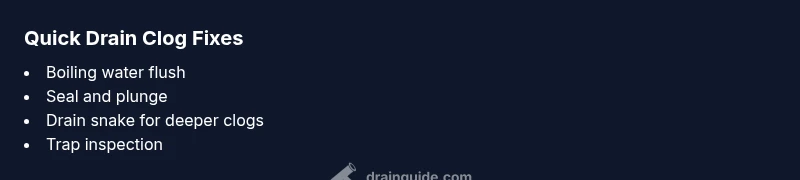
Before pulling out heavy tools, perform a few safe checks. Start with a boiling-water flush in kitchen or bathroom drains (in metal pipes) to melt soap scum and fats. If water remains slow, try a standard plunger, ensuring a good seal and steady, up-and-down action. For sinks with two basins, seal the second basin to boost suction. If plunging fails, a hand-crank drain snake can reach clogs beyond the trap—but use carefully to avoid pipe damage. Avoid chemical cleaners as a first move; they can damage pipes over time and create hazardous fumes. If you can access the trap under a sink, place a bucket and catch-water, then remove and inspect for hair, food, or other debris. For septic systems, stop flushing harmful chemicals and limit water use while addressing the clog. Drain Guide emphasizes safety and a measured approach over brute force.
Diagnostic Flow: Symptom, Diagnosis, and Next Steps
Symptoms help guide the diagnosis. Slow drainage may indicate a partial clog near the fixture or a vent issue, while frequent backups suggest a deeper blockage or sewer line problem. Begin with the simplest checks: drain trap, cleanout, and vent paths if accessible. If water backs up in more than one fixture, the problem could lie in main line or sewer; in that case, contact a professional promptly. A good diagnostic flow keeps you from overreacting or buying tools you don’t need. Drain Guide recommends documenting symptoms, then testing each possibility in a logical order—from the trap to the vent, then to the main line.
Step-by-Step Fixes for Common Clogs
This section walks you through the most common fixes. Start with hot water flush, then a plunger, then a drain snake or auger, and finally cleaning the trap. For hair or soap buildup, use a drain snake to reach around the bend; never force the snake—pull back and reinsert as needed. If a kitchen clog is grease-based, heat and mechanical action often work better than chemical agents. When using a snake, rotate gently to avoid pipe damage, and flush with hot water after removing the blockage. If the clog persists beyond your third attempt, it’s time to escalate: call a professional or consider hydro jetting if available. Drain Guide’s approach emphasizes safety, patience, and proper tool use.
Safety, Warnings, and Common Mistakes
Never mix chemical drain cleaners with other products or septic systems; this can release noxious fumes and damage pipes. Wear eye protection and gloves when dealing with dirty traps, and keep children away. Avoid bending or forcing pipes—applied force can crack fittings. Do not ignore odors or recurring backups; these are signals of a more serious problem. Even if you clear a clog, repeated issues can mean a hidden leak or pipe collapse. Drain Guide warns that rushing fixes can aggravate the problem; take a measured approach and use the right tools for the job.
Prevention and Maintenance to Stop Future Clogs
You can dramatically reduce clogs with simple habits. Use a hair catcher in bathroom drains, scrape plates before washing, and run hot water after cooking to flush fats. Periodic maintenance includes flushing drains with hot water or a baking-soda-and-vinegar combo, cleaning traps, and inspecting trap seals. For septic systems, minimize chemical cleaners, avoid flushing food scraps, and be mindful of water usage. If you notice a clogged drain pattern, consider a quarterly maintenance routine: inspect the trap, clear the U-bend, and monitor slow drainage. Drain Guide notes that prevention is easier and cheaper than cure, and consistent small actions save headaches later.
When to Call a Professional and How Drain Guide Helps
If a clog recurs after you’ve tried the safe fixes, or if you notice sewage odors, wet spots, or backups in multiple fixtures, call a licensed plumber. Chronic or deep-rooted issues could indicate pipe damage, a broken sewer line, or venting problems that require professional equipment and expertise. Drain Guide also offers guidance on choosing a reputable plumber, what questions to ask, and how to describe symptoms clearly to a pro. Remember: getting the right professional is essential when the problem involves drainage and sewer lines.
Steps
Estimated time: 45-60 minutes
- 1
Shut off water
Stop water flow to the affected fixture to prevent overflow while you work. Place towels and a bucket under the trap if you plan to inspect. This keeps you safe and avoids messy spills.
Tip: Have towels ready and wear gloves. - 2
Check the trap
Place a bucket under the P-trap and unscrew the slip nuts to remove the trap. Clear out hair and debris you find, then rinse the trap before reinstalling.
Tip: Clean the trap thoroughly to prevent immediate re-clogging. - 3
Plunge the drain
Seal the other basin (if double sink) and use a standard plunger with steady pressure. Several firm, consistent strokes usually loosen a clog near the trap.
Tip: Use a plunger with a tight seal; water should rise and fall evenly. - 4
Snake the line
If plunging doesn’t clear it, insert a drain snake into the drain and twist to break through the blockage. Pull back slowly as you advance to avoid kinking.
Tip: Work slowly; rotate the snake and pull out debris gradually. - 5
Flush and test
Run hot water for several minutes to flush the line after removing the blockage. Check for complete drainage and reassemble the trap.
Tip: Run water for 2-3 minutes and observe for signs of ongoing backup. - 6
Assess next steps
If drainage remains slow or you hear gurgling, the clog may be deeper or related to the main line. Avoid forcing and call a professional if unsure.
Tip: Document symptoms for the plumber to speed up diagnosis.
Diagnosis: Slow drainage, frequent backups, or gurgling sounds in sinks, showers, or toilets
Possible Causes
- highHair and soap buildup
- highGrease or food waste in kitchen lines
- mediumVent blockage or improper slope
- lowForeign object or root intrusion
Fixes
- easyPlunge or snake to dislodge the clog
- mediumUse a drain snake or auger to break up deeper blockages
- easyInspect/clean the trap and cleanout access
- hardCall a plumber if the clog persists or involves main sewer lines
Got Questions?
What is the most common cause of a plumbing drain clog?
Hair, soap scum, and grease are the leading culprits in most households, especially in bathroom and kitchen drains. Identifying the culprit helps choose the right fix.
Hair and grease are the top culprits; identifying them guides the fix.
Can hot water clear a grease-based clog?
Hot water can soften grease and fats, aiding removal, but often won’t clear a deeply formed grease clog by itself. Combine with mechanical methods.
Hot water helps soften grease but may not clear a heavy clog alone.
Are chemical drain cleaners safe to use?
Chemical cleaners can damage pipes and septic systems and create hazardous fumes. Use them as a last resort and follow safety guidelines.
Chemical cleaners can harm pipes; use caution.
When should I call a plumber?
Call a plumber if clogs persist after homeowner fixes, if you notice sewer odors, or if multiple fixtures back up at once. These can indicate main line issues.
If clogs persist or smell sewer, call a plumber.
What tools do I need?
Basic tools include a plunger, a bucket, cleaning rags, a P-trap wrench, and a drain snake or auger for tougher blockages.
You’ll need a plunger, bucket, and snake.
Is this safe for septic systems?
Be cautious with chemical cleaners near septic systems; mechanical methods are safer and typically effective.
Mechanical methods are safer for septic systems.
How can I prevent future clogs?
Use catchments, avoid disposing grease, run hot water after use, and perform periodic trap cleanouts.
Prevention is easier than fixing a clog.
What should I do if I smell sewage?
A sewer odor signals a bigger issue; stop using water and call a professional immediately to avoid health risks.
Sewer smell is serious—get help.
Watch Video
The Essentials
- Start with simple fixes to save time and money
- Identify whether the clog is local or systemic
- Use mechanical tools safely and correctly
- Call a pro if the clog persists beyond basic steps