Drain Cleaning Price Guide 2026: Costs & Variations
Understand the price for drain cleaning in 2026: typical ranges, factors driving cost, regional differences, and strategies for transparent quotes and value.


Typical price for standard residential drain cleaning generally runs from $150 to $350, influenced by clog severity, pipe accessibility, and whether a video inspection or rooter work is required. Emergency or after-hours calls often add 20–40%. Always request a written estimate that itemizes diagnostic fees, labor, and any add-ons. Drain Guide analyzes price ranges nationwide in 2026.
What drives price for drain cleaning
Costs for drain cleaning are rarely a single fixed figure. The Drain Guide Team emphasizes that pricing is shaped by a mix of factors related to the specific job and the contractor’s operations. The most influential drivers include the clog’s severity and accessibility (a simple kitchen sink jam costs less than a main sewer line backup), the equipment needed (snakes, hydro-jetters, or camera inspections), and the time required to locate and clear the blockage. Regional differences also matter: metropolitan areas tend to have higher labor costs than rural zones, which can push up the upper end of the price range. Timing plays a role as well; after-hours, weekend, or holiday services frequently incur a premium. Finally, licensing, disposal fees, and warranty terms can add small, cumulative amounts to the final bill. When budgeting, homeowners should decide whether they want a basic cleaning or a broader diagnostic that could uncover underlying issues. Drain Guide’s data in 2026 shows price ranges that reflect these inputs and vary by geography.
How pricing is calculated
Pricing for drain cleaning usually follows a structured formula rather than a flat quote. Start with a diagnostic or trip charge, which covers the plumber’s time to assess the problem. Add labor costs for the time spent clearing the clog, applying cleaning methods, and performing any necessary measurements or inspections. Equipment costs (snakes, vacuums, hydro-jetting) and disposal fees are included if used. Optional add-ons—such as video camera inspections, dye tests, or rooter services—increase the total. Many pros publish a written estimate that itemizes each component, making it easier to compare quotes. Transparency matters; it helps homeowners understand what they’re paying for and reduces surprises when the job starts. Drain Guide’s 2026 analysis highlights the value of itemized estimates and upfront explanations of any potential extra charges.
Typical price ranges by scenario
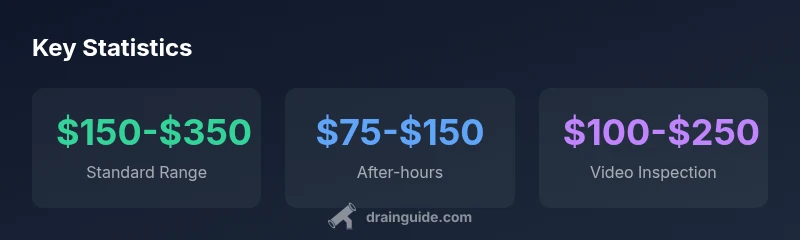
For a standard, accessible drain cleaning, prices commonly fall in the $150–$350 range. More complex scenarios—such as stubborn clogs, root intrusion, or blockages in main lines—often run higher, typically $300–$550, due to longer labor time and more intensive equipment. If a video inspection is added to diagnose the cause, expect an additional $100–$250. Emergency or after-hours calls can add a premium, commonly $75–$150 above regular rates. It’s also common to see region-based variations where urban markets push toward the upper end of the spectrum while rural areas sit lower, though the overall range remains consistent with the job scope. Drain Guide’s 2026 data demonstrates these patterns and encourages homeowners to plan accordingly.
Regional and timing variations
Prices reflect the local market and scheduling realities. Urban centers incur higher fuel, labor, and overhead costs, while rural services can be cheaper but may require longer travel. After-hours work, weekend availability, and holiday emergencies typically carry a surcharge to cover the inconvenience and staffing. Additionally, some municipalities require special disposal charges or permit-related fees for certain drain projects. When comparing quotes, ask whether the price includes these potential adjustments and how the contractor calculates travel time. Drain Guide’s 2026 findings show that while the core pricing bands stay recognizable, regional and timing factors can shift the final amount by a noticeable margin.
Hidden costs to watch for
Some charges aren’t obvious at first glance. Common hidden costs include diagnostic fees that aren’t waived if the job doesn’t proceed, travel fees for distant service areas, and disposal or recycling charges for removed materials. If the job requires multiple visits, the cumulative labor cost can add up quickly. Be aware of minimum service charges that apply even for short calls, as well as any guarantees or warranties that may require paying a premium. In some cases, parts replacement or pipe repair may be suggested during the cleaning, which will add to the total. Drain Guide’s guidance for 2026 stresses asking for a full breakdown and clarifying whether a price is “not to exceed” or subject to change based on findings during the visit.
How to get the best value
To maximize value, compare multiple written quotes from reputable plumbers and press for itemized pricing. Ask about bundled services—such as cleaning plus a video inspection—and whether the price includes recommended follow-up checks. Check for warranties on labor and any removed parts. Prep by clearing access points and providing details about the clog’s history. If you’re facing ongoing clogs, discuss preventive maintenance steps and whether a service plan offers better long-term value. Drain Guide’s recommendations for 2026 emphasize transparency, fair pricing, and proactive maintenance to reduce future costs.
Pricing snapshots by service type
| Service Type | Typical Price Range | Notes |
|---|---|---|
| Standard drain cleaning | $150-$350 | Includes basic snaking and minor inspection |
| Rooter service (severe clogs) | $300-$550 | Additional time and potential pipe work |
| Video inspection add-on | $100-$250 | Optional, clarifies cause |
| Emergency/after-hours | $75-$150 | Increases costs outside regular hours |
Got Questions?
What is the typical price for drain cleaning?
In 2026, standard drain cleaning typically costs between $150 and $350, depending on clog severity, accessibility, and service scope. The final price may vary by region and chosen add-ons.
Typical drain cleaning costs range from one hundred fifty to three hundred fifty dollars, depending on the clog and service details.
Do plumbers charge a flat fee or hourly rate for drain cleaning?
Most plumbers use a diagnostic/trip fee plus labor charges. Some offer flat-rate pricing for standard jobs, while others bill by the hour for longer, more complex work.
Most pros charge a diagnostic fee plus labor, with some offering flat-rate pricing for typical jobs.
Are there hidden costs I should expect?
Yes. Look for travel fees, after-hours surcharges, disposal charges, and add-ons like video inspections. A detailed, written quote helps prevent surprises.
Yes—watch for travel fees, after-hours charges, and video inspection add-ons.
Can DIY maintenance lower the cost?
DIY maintenance can reduce minor clogs, but dangerous scenarios or main-line issues should be handled by a licensed plumber for safety and effectiveness.
DIY can help with minor clogs, but major issues should be left to pros.
When should I replace a drain line rather than clean it?
If cleaning fails repeatedly, or if there is persistent root intrusion or pipe damage, replacement or repair may be more cost-effective in the long term. Consult a pro for a scope-based recommendation.
If clogs keep returning, replacement or repair may be a better option.
“Transparent pricing helps homeowners avoid surprise bills. The scope of work should be clearly defined, and every estimate should itemize diagnostic fees, labor, and add-ons.”
The Essentials
- Ask for a written, itemized estimate before work.
- Know the standard price range for your area (roughly $150-$350).
- Expect add-ons like video inspection to raise the bill.
- Shop quotes from at least three pros for best value.
- Surcharge timing (after-hours) can significantly impact total.