Affordable Drain & Pipeline Services: Budget-Smart Solutions
Learn how to find affordable drain & pipeline services without sacrificing quality. Drain Guide shares budgeting tips, price ranges, and a practical checklist for choosing trusted pros.


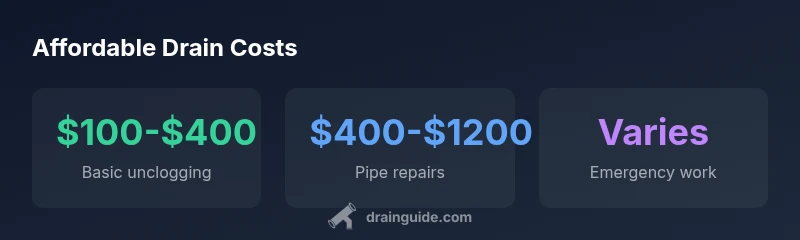
Affordable drain & pipeline services typically start with a baseline service call and diagnostic fee, followed by labor for the actual fix. According to Drain Guide Analysis, 2026, basic unclogging often ranges from $100 to $400, while more complex repairs or pipe work can run between $400 and $1200, depending on scope, location, and materials.
Why affordable drain & pipeline services matter for homeowners
For many households, drainage problems are more than a nuisance—they’re a risk to the home’s value and comfort. The phrase affordable drain & pipeline services signals a careful balance between price and outcome. Budget-minded homeowners want transparent pricing, clear scope, and reliable fixes that last. According to Drain Guide, value isn't about choosing the cheapest option; it's about selecting a professional who explains the problem, outlines a plan, and stands behind the work. In this section we explore why price matters, how value is measured, and practical ways to avoid common budget traps while still achieving durable results. You’ll learn how to distinguish a fair bid from a premium quote and how to prioritize fixes that prevent recurring issues. The goal is to empower you to make informed decisions without sacrificing safety or long-term reliability.
Key takeaway: affordable work should deliver clear scope, legitimate warranties, and durable results—not just a low price.
How pricing typically breaks down for drain work
Pricing for drain and pipeline services usually comprises several components. A baseline service call or diagnostic fee covers the technician’s time, travel, and initial assessment. Labor hours reflect the duration of the fix and may scale with complexity. Parts and materials—suitable pipes, connectors, sealants, or tools—are itemized, and any required permits or inspections add to the cost. In some cases, emergency or after-hours service incurs a premium. Regional cost differences, job accessibility, and the age of your plumbing system all influence the final number. To get real value, request an itemized estimate that separates diagnostics, labor, and parts. Drain Guide recommends seeking quotes that include a written scope of work and an expected timeline, so there are fewer surprises as the project progresses.
Budget-friendly options that still deliver results
You don’t have to overpay to fix a drain problem. Budget-friendly strategies include selecting flat-rate packages for common issues (like clogged kitchen sinks or slow-draining showers), requesting a written scope, and opting for standard, widely available parts rather than premium materials. Video inspection can be a cost-efficient way to diagnose a problem before committing to invasive work. Consider performing simple maintenance tasks (such as mesh strainers and seasonal flushing) to extend the life of your fixes. The Drain Guide team emphasizes negotiating multiple bids, verifying warranties, and asking for a simple, prioritized plan. With thoughtful planning, you can address urgent issues now while spreading costs over time when appropriate.
Vetting a contractor to avoid overpay
A key step in saving money is vetting your contractor before work begins. Always verify licenses and insurance, and ask for references or online reviews. Request an itemized estimate that breaks down diagnostic fees, labor rates, parts, and any potential add-ons. Compare not just the bottom line, but the scope of work, recommended fixes, and projected timelines. A reputable pro should welcome questions and provide a written warranty on both labor and materials. If a price seems unusually low, probe for potential compromises in materials or scope. Drain Guide suggests requesting a fixed price for defined tasks when possible and documenting any changes in writing.
DIY vs pro: making smart choices
DIY efforts are fine for very small clogs or routine maintenance, but larger issues often require a licensed professional. Improper DIY repairs can lead to expensive water damage or code violations. For some situations—like identifying main sewer line problems, resolving complex piping, or performing pressure tests—professional equipment and expertise are essential. Use DIY tactics to handle minor maintenance (clean strainers, avoid pouring grease down the drain) and save your budget for high-value repairs that require trained hands. Drain Guide’s position is to balance safety, quality, and cost, so you don’t pay twice for the same fix.
How to get reliable estimates and compare quotes
To ensure you get a fair price, gather at least three written bids from reputable pros. Compare the scope of work, parts quality, warranty terms, and estimated completion times. Ask for a breakdown of labor hours and rates, and request examples of similar recent jobs. Check for licensing and insurance, and verify the company’s response time and communication quality. If a bidder suggests unnecessary extra work, push back and request a concise, data-backed explanation. Drain Guide recommends using a standardized checklist for every quote to improve apples-to-apples comparisons.
Maintenance habits to keep drain costs manageable
Preventive maintenance goes a long way toward lower bills. Replace worn-out seals, install screens to catch debris, and schedule annual or semi-annual inspections for older systems. Early detection of leaks and slower-than-normal drainage can avert costly emergency repairs. Simple habits—pourting hot water down drains, avoiding harsh cleaners, and cutting fats and oils into a separate container before disposal—help keep pipelines free of buildup. A small, proactive investment now reduces the chance of expensive fixes later. Drain Guide stresses that consistent care with clear expectations is the smartest long-term pricing strategy.
Regional variations and value anchors
Prices for drain and pipeline work vary by region, climate, and local demand. In dense urban areas, you may encounter higher service call fees and labor rates but faster response times; in rural areas, prices may be lower but travel time can extend project timelines. Regardless of location, the best value comes from transparent pricing, a solid written scope, and a demonstrated track record. Drain Guide’s regional guidance emphasizes asking about local codes, typical lead times, and warranty offers when evaluating bids. With the right information, you can secure affordable drain & pipeline services that still meet high standards.
Estimated costs and times for common drain issues
| Issue | Typical Time | Estimated Cost Range | Notes |
|---|---|---|---|
| Clogged kitchen sink | 0.5-2 hours | $100-$400 | Most DIY-friendly; fixes are common |
| Main sewer line blockage | 2-6 hours | $500-$1500 | Often requires professional equipment |
| Leaky pipe repair | 1-4 hours | $300-$1200 | Depends on pipe material |
Got Questions?
What makes drain services affordable without sacrificing quality?
Affordable services rely on transparent pricing, defined scope, and durable fixes. A reputable pro explains the problem, provides a written plan, and backs the work with a warranty. Avoid bids that omit parts or timelines. Drain Guide recommends prioritizing value alongside price.
Great question. Look for transparent quotes, a written plan, and a warranty to ensure you’re getting value, not just a low price.
How can I compare quotes effectively?
Ask for itemized estimates that separate diagnostics, labor, and parts. Check licensing, insurance, and references. Compare the scope of work and warranties rather than just the total price. Use a standardized checklist for apples-to-apples comparisons, and prefer written timelines.
Ask for itemized quotes and written timelines to compare value, not just the bottom line.
Are there cheaper DIY options?
For minor clogs or maintenance, DIY steps can save money. For mainline blockages or leak repairs, professional help is safer and usually more cost-effective in the long run. Know your limits and use DIY for prevention, not major fixes.
DIY is fine for small tasks; reserve expensive issues for professionals.
How long do affordable repairs take?
Most routine fixes finish within a day, but timeframes vary with complexity and scheduling. Emergency jobs may extend this. Always ask for a projected timeline in writing when you receive a quote.
Timeline depends on the fix, but expect a day for many common issues.
What should I ask a pro to ensure fair pricing?
Ask for an itemized estimate, warranty terms, and references. Request the scope of work in writing and ask how changes will be handled. If a bid seems vague, push for clarity before work begins.
Get a detailed written scope, warranties, and multiple bids to ensure fair pricing.
“Affordability should align with value. Clear scope, written estimates, and accountability prevent sticker shock and costly rework.”
The Essentials
- Start with transparent quotes and itemized pricing
- Prioritize clear scope and written warranties
- Balance DIY tasks with professional fixes for safety
- Obtain multiple bids to compare value