Replace Drain in Bathroom Sink: Step-by-Step Guide for DIY
Learn how to replace a bathroom sink drain safely and effectively with Drain Guide. This comprehensive, step-by-step guide covers tools, safety, installation, testing for leaks, and maintenance tips to keep drains flowing smoothly.


By the end of this guide, you will replace the bathroom sink drain, seal the connection to prevent leaks, and verify proper drainage. You’ll need a basic hand tool kit and a compatible replacement drain kit. The steps cover removal, install, sealant, and leak-testing to ensure a lasting fix. We’ll list the exact tools, safety considerations, and common mistakes to avoid.
What replacing a bathroom sink drain accomplishes
Replacing a bathroom sink drain addresses leaks, prevents water damage, and restores reliable drainage. A worn-out gasket, corroded tailpiece, or loose connection can allow water to wick into the cabinet and create mold or timber damage over time. By choosing a compatible drain assembly and installing it with a proper seal, you create a watertight path for wastewater while safeguarding the vanity area. The process also presents an opportunity to upgrade to newer features such as a higher-flow drain or an easier-to-use pop-up mechanism that improves daily use. This article emphasizes safe handling, appropriate materials, and a clear sequence so you can achieve a durable fix without hiring a plumber. Work methodically, keep a tidy workspace, and test the setup with a gentle water flow before finalizing.
Types of bathroom sink drains and compatibility
Bathroom sinks commonly use a few drain configurations. The most common are a standard basket or pop-up drain with a tailpiece that screws into the trap. Some homes use pull-up or lift-and-turn designs. The size of the drain opening varies, typically around 1-1/4 inch to 1-1/2 inch, and the tailpiece threads must match the drain body. When selecting a replacement, check the thread size, gasket type, and whether the new unit includes a new washer or sealing ring. If your sink has an integrated overflow, ensure the new drain accommodates it. Matching the strainer, flange, and tailpiece will minimize leaks and simplify installation. If you’re unsure, bring the old parts to a hardware store to compare sizes, or consult the manufacturer’s compatibility guide.
Safety and preparation before you begin
Before you touch plumbing, turn off the water supply to avoid unexpected spills. Place a bucket under the P-trap to catch water, and keep towels handy for wiping; standing water combined with slippery surfaces can cause accidents. Wear eye protection if you anticipate rust or crushing metal debris. Clear the cabinet so you can access both the drain and the trap, and lay out a review of the steps you’ll follow. If you’re dealing with corroded fittings, apply penetrating oil and let it sit for a few minutes before attempting to loosen them. Finally, confirm you have a compatible replacement drain kit and the right tools to avoid mid-project trips to the hardware store.
Planning and measurement for a smooth install
Measure the existing drain components and verify compatibility with the replacement drain kit. Take a photo of how the current drain is connected, including the orientation of the tailpiece and trap. Check whether your vanity pipework uses a standard 1-1/4 inch or 1-1/2 inch dimension, and count how many washers and gaskets are present. Prepare the workspace by laying a drop cloth and labeling parts that will be re-used. Determine whether you’ll reuse the existing P-trap or replace it with a new one, and ensure the new drain kit includes all the required seals. If you have an older home, consider corrosion and mineral buildup that could affect seal integrity.
Installation concepts and why each step matters
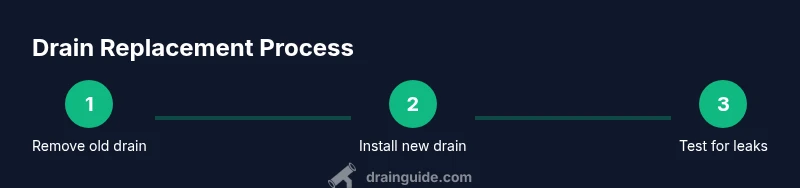
Drain replacement follows a logical sequence to ensure seal integrity and leak prevention. The drain flange must sit flush with the sink surface to avoid gaps where water can seep; the gasket or plumber’s putty provides a water-tight seal. The tailpiece connects to the trap adapter, and careful tightening prevents thread damage. Each connection should be hand-tightened then snug with a wrench, but not overtightened to avoid cracking metal or damaging plastic threads. Use Teflon tape only on threaded metal joints if recommended by the kit, and avoid overfossing silicone around porous surfaces. Keep all seals oriented correctly to prevent cross-threading. Finally, reassemble the P-trap and run water to test for leaks before finishing.
Cleaning up and disposing of old parts
Dispose of the old drain and gasket according to local waste guidelines. Clean the cabinet area and dry it thoroughly to prevent mold growth. Reuse the installation instructions to confirm you’ve captured the right orientation. If you discovered a leak during testing, re-check each connection and reseal as needed. Label stored parts for future maintenance and wipe down tools before storing.
Maintenance and long-term care
To extend drain life, perform periodic inspections for slow draining or leaks, especially after heavy use or after shampooing hair away from the sink. Use a hair catcher to reduce clogs, avoid pouring grease or solvents down the drain, and flush with hot water monthly to clear residue. If you notice repeating leaks, inspect the gasket and replace worn parts. This routine maintenance reduces the likelihood of water damage and helps your bathroom stay functional longer.
Tools & Materials
- Adjustable wrench(Choose one with a comfortable grip and wide opening.)
- Screwdrivers (flathead and Phillips)(Size #2 or similar for common drain screws.)
- Pliers (channel-lock preferred)(Used to hold nuts steady while loosening.)
- Bucket (about 2-3 liters)(To catch water during removal.)
- Old towels or rags(Place under the cabinet to protect surfaces.)
- Replacement drain kit (strainer, tailpiece, gasket)(Ensure compatibility with sink size.)
- Plumber’s putty or silicone sealant(Use only if your kit requires it.)
- Teflon tape (PTFE tape)(Only for metal threaded joints as needed by kit.)
- Gloves (optional)(Keeps hands clean and protects from sharp edges.)
- Shop rag and cleaning solvent(For cleanup after install.)
Steps
Estimated time: 60-90 minutes
- 1
Shut off water supply
Locate the under-sink shutoff valves for hot and cold water. Turn both valves clockwise until they stop to stop water flow to the faucet and avoid spills. This creates a safe work environment and prevents accidental flooding.
Tip: Test by briefly opening the faucet to confirm no water flows. - 2
Prepare workspace
Place a bucket under the P-trap and lay towels to catch any residual water. Clear the cabinet so you have room to work and avoid dropping small parts.
Tip: Have a second container ready for any drips from the drain line. - 3
Remove old drain components
Loosen the locknut under the sink and remove the old drain body and strainer. Keep track of all washers and spacers as you disassemble so you can reassemble in the same order.
Tip: If parts are corroded, apply a few minutes of penetrating oil and wait before retrying. - 4
Clean mounting surface
Wipe the sink hole and the flange area clean. Remove old putty or sealant and inspect for damage on the sink surface or thread surfaces. Ensure no debris remains that could compromise a seal.
Tip: A clean surface helps ensure a durable seal and reduces leaks. - 5
Prepare and install new drain
Dry-fit the new drain parts to confirm fit. If your kit uses putty, apply a thin bead around the flange; otherwise, place the gasket as directed by the manufacturer.
Tip: Avoid excess putty; a thin, even layer ensures a clean seal. - 6
Mount drain and connect tailpiece
From below the sink, thread the drain body into place and tighten the nut until snug. Attach the tailpiece to the drain body and ensure correct alignment with the P-trap.
Tip: Hand-tighten first, then give a small final turn with a wrench—no overtightening. - 7
Reconnect P-trap and test fit
Reinstall the P-trap and run a quick dry-fit to ensure proper alignment. Then connect all joints and tighten gradually while watching for any binding or cross-threading.
Tip: Loosen joints slightly if movement causes misalignment. - 8
Test for leaks and finalize
Turn the water back on and run water at a slow flow, then full flow. Check every joint under the sink for drips and wipe away any moisture. If leaks appear, reseal the affected joints and re-test.
Tip: Check both hot and cold water paths; leaks can be present on either side.
Got Questions?
Do I need to shut off the water supply before replacing the drain?
Yes. Always shut off both hot and cold supply lines before starting. This prevents water from spraying and helps you work cleanly.
Yes. Be sure to shut off both supply lines before you begin.
Can I replace a bathroom sink drain without removing the P-trap?
In many cases you can replace the drain without fully removing the P-trap, but you may need to detach it to access the drain assembly and ensure a proper seal.
Often you can replace the drain without taking out the entire P-trap, but sometimes you’ll need to detach it.
What size is a standard bathroom sink drain?
Most bathroom sinks use a 1-1/4 inch or 1-1/2 inch drain. Verify the size on your current drain and choose a matching replacement.
Most bathrooms use 1-1/4 inch or 1-1/2 inch drains. Check your current parts to be sure.
What’s the difference between a pop-up and a basket drain?
A pop-up drain uses a lever or rod to seal, while a basket drain is a fixed basket with a removable stopper. Replacements require compatible seals and space under the sink.
Pop-up drains use a lever system; basket drains have a fixed stopper. Choose one that matches your sink and space.
What should I do if I still have a leak after replacement?
If a leak persists, re-check all seals, ensure washers are intact, and confirm there’s no cross-threading. If leaks continue, consider consulting a plumber.
If leaks persist, double-check seals and threads; consider calling a plumber if needed.
When should I call a plumber for drain replacement?
Call a plumber if you encounter persistent leaks, damaged sink or trap components, or if you’re unsure about plumbing codes or safety concerns.
Call a plumber if leaks persist or if you’re unsure about the installation.
Watch Video
The Essentials
- Shut off water before starting and drain the lines.
- Choose a compatible drain kit and seal properly.
- Tighten connections gradually and test for leaks.
- Inspect and maintain the P-trap to prevent future leaks.