How to Get Drain Out of Bathroom Sink: Step-by-Step
Learn to safely remove a bathroom sink drain, clear clogs, inspect seals, and reassemble. This Drain Guide DIY guide covers pop-up stoppers, the P-trap, and routine maintenance for a smooth bathroom drain.


Goal: safely remove a bathroom sink drain to clear a clog and inspect the components. Gather a bucket, towels, pliers, an adjustable wrench, and a drain snake or flexible brush. This guide walks you through inspecting the pop-up stopper, detaching the P-trap, cleaning the fittings, and reassembling for a reliable drain.
Understanding why bathroom sink drains clog and how removing the drain helps
According to Drain Guide, understanding the drain's anatomy helps you remove and clean it effectively. A typical bathroom sink drainage path starts at the basin and ends at the wall with several key components: the pop-up stopper or lift rod, the tailpiece immediately beneath the drain, the P-trap (the curved pipe that holds a water seal), and the trap arm that leads to the wall drain. Clogs most often form where hair, soap scum, toothpaste, and mineral deposits accumulate—especially in the P-trap and tailpiece. Removing the drain for inspection and cleaning gives you a clear view of wear, leaks, or damaged seals. Even if you plan to reassemble, taking it apart in a controlled, logical sequence prevents lost parts and misaligned threads. This step-by-step approach minimizes mess and reduces the risk of leaks when you test the drain afterward. If you discover cracked washers or corroded nuts, plan for replacement rather than forcing a snug fit. The goal is a dependable seal without over-tightening.
Safety first: prepare your workspace and protect your fixtures
Before you touch any drain hardware, set the stage for a clean, safe repair. Clear the area under the sink, lay a towel or old sheet to catch drips, and place a bucket beneath the P-trap to collect water when you loosen connections. Turn off the water supply valves under the sink to avoid water spurts, and have towels ready to mop up spills. If your sink shares a wall outlet or nearby electrical fixture, ensure no cords or outlets are exposed to water. Use safety glasses if you’re worried about splashes. Drain materials and tools should be kept away from children and pets. Label each part as you remove it, and keep small parts in a shallow dish to prevent misplacement. Finally, confirm you have a clear path to the tool you’ll need most, whether that’s a cup, a wrench, or a snake. Being deliberate now saves time and prevents mistakes later.
Step-by-step overview of the removal process
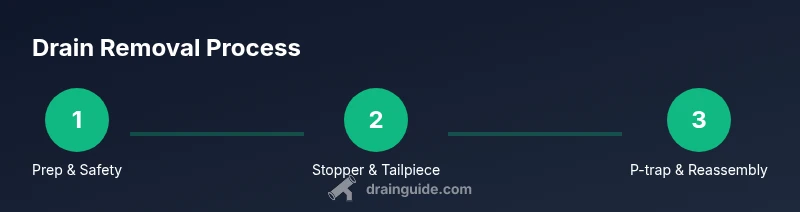
The removal process typically involves: locate and remove stopper or lift rod; loosen slip-nut connections; remove P-trap; clean trap and pipe; inspect washers and seals; reassemble. The aim is to access the interior components, remove hair and soap scum, and re-seat all connections with a clean, damp rag. This overview helps you understand what's ahead and set expectations for the actual steps.
Accessing and removing the pop-up stopper
Most bathroom sinks use a pop-up stopper linked to a lift rod. To remove it, access the lift rod from beneath the sink or by sliding the stopper up through the basin opening. Detach the linkage carefully, noting where each rod and clip sits. Once free, inspect the stopper for mineral buildup and wash it with warm water and mild soap. If the stopper is worn or cracked, plan for replacement. A clean stopper improves drainage and prevents re-entry of debris.
Detaching the P-trap, cleaning parts, and inspecting seals
The P-trap is the curved section of pipe directly under the drain. Place a bucket beneath the joint and use a wrench to loosen the slip nuts on both ends. Carefully pull the trap away and inspect for corrosion, cracks, or worn washers. Remove any hair, soap scum, or mineral deposits with a brush or old toothbrush. Rinse the trap and surrounding pipes with warm water. Check the washers for cracks and replace as needed to preserve a watertight seal. Reattach the P-trap with new or good-condition washers, ensuring the orientation matches the original setup. A secure, clean P-trap prevents leaks and improves overall drainage.
Reassembly, testing, and maintenance
Reassemble the drain in the reverse order: stopper linkage, tailpiece, P-trap, and supply lines. Hand-tighten all nuts first, then snug with a wrench—avoid overtightening, which can crack fittings. Reconnect the water supply lines and slowly turn the water back on. Check for leaks around the P-trap and tailpiece; wipe any drips and run water for a minute to confirm steady flow. If you notice slow drainage, inspect for any remaining debris in the trap or tailpiece. For ongoing maintenance, consider a quarterly routine: remove and clean the trap, clear hair buildup, and replace any worn washers.
When to call a professional
If the drain remains slow after cleaning, if you encounter stubborn corrosion, or if you notice recurring leaks around aged fittings, it’s wise to call a professional plumber. Chronic leaks can indicate a larger issue in the drainage system or a failing wall drain connection. A licensed plumber can diagnose hidden problems and prevent water damage.
Tools & Materials
- bucket(Plastic bucket large enough to hold several cups of water under the P-trap)
- towels/old rags(Old towels to protect floors and catch drips)
- adjustable wrench(8-12 inch adjustable wrench for slip-nut fittings)
- channel-lock pliers(For stubborn nuts and stubborn fittings)
- drain snake or flexible brush(Helps clear hair and debris in tight spots)
- cup or small container(Used to scoop out water and small parts)
- rag or sponge(For cleaning surfaces and drying components)
- replacement washers or gaskets(Only if you notice worn seals during inspection)
Steps
Estimated time: 45-60 minutes
- 1
Prep the workspace
Clear the area under the sink, place a bucket, and lay towels. Turn off the shut-off valves to prevent sudden water flow. This prevents spills and reduces the risk of slips during disassembly.
Tip: Have everything set within arm’s reach to keep the work area organized. - 2
Access the stopper
Identify the lift rod and stopper linkage beneath the sink. Detach the linkage and remove the stopper from the basin, if accessible. Inspect the stopper for buildup and wear.
Tip: Take a quick photo of the linkage before removing to aid reassembly. - 3
Loosen the P-trap
Place a bucket underneath the P-trap. Use an adjustable wrench to loosen the slip-nuts on both ends, keeping the pipe level to avoid spills. Gently pull the trap away.
Tip: Support the trap with one hand to prevent it from dropping and spilling water. - 4
Clean and inspect
Remove debris from the trap and tailpiece. Scrub with a brush and rinse. Check washers and gaskets for cracks, and replace if needed.
Tip: If you see signs of corrosion, plan for replacement parts. - 5
Reassemble the drain
Reattach the P-trap with clean washers, reconnect the tailpiece, and tighten nuts snugly without over-tightening. Reconnect the stopper linkage and reinstall the stopper.
Tip: Hand-tighten first, then give a final snug with a wrench. - 6
Test the drain
Turn water back on and run it to check for leaks. If leaks persist, reseat connections and ensure correct orientation of the trap and seals.
Tip: Run water for 60–90 seconds to verify steady flow and leak absence.
Got Questions?
What is the first thing to do when removing a bathroom sink drain?
Begin by turning off the water supply, placing a bucket underneath, and gathering towels. This prevents spills and keeps the area clean while you remove the stopper and detach the P-trap.
Turn off the water, set a bucket, and start with the stopper to access the P-trap.
Can I reuse old washers, or should I replace them?
Inspect washers for cracks or hardening. If any wear is found, replace with matching washers to ensure a watertight seal and prevent future leaks.
Check the washers; replace if they show wear to avoid leaks.
Is it safe to use chemical drain cleaners after disassembling the drain?
Chemical drain cleaners are not recommended after disassembly because they can interact with exposed pipes and seals. Manual cleaning is safer and more effective for this task.
Avoid chemical cleaners after taking the drain apart; manual cleaning works best.
What should I do if the P-trap is corroded?
If the P-trap shows corrosion, replace the entire trap and washers. This prevents leaks and ensures a secure seal.
Replace a corroded P-trap to prevent leaks.
How can I tell if the drain is properly re-sealed after reassembly?
Run water and watch for drips around the joints. If there is any moisture, tighten gradually and inspect washers again.
Check for leaks by running water; tighten if you see moisture.
How often should I clean the P-trap?
Inspect and clean the P-trap every 6-12 months, or anytime drainage slows noticeably. Regular maintenance reduces buildup and odors.
Clean the P-trap every 6-12 months or when drainage slows.
Watch Video
The Essentials
- Identify and locate the P-trap and stopper first
- Shut off water and protect surfaces before starting
- Clean and inspect all washers and seals for a tight seal
- Reassemble with gentle, even tightening to avoid leaks
- Test the drain thoroughly after reassembly