What Apps Drain Your Battery: A Homeowner's Guide to Reducing Drain
Discover what apps drain your battery, why they do it, and practical steps to reduce drain. A data-driven guide for homeowners and DIY enthusiasts.


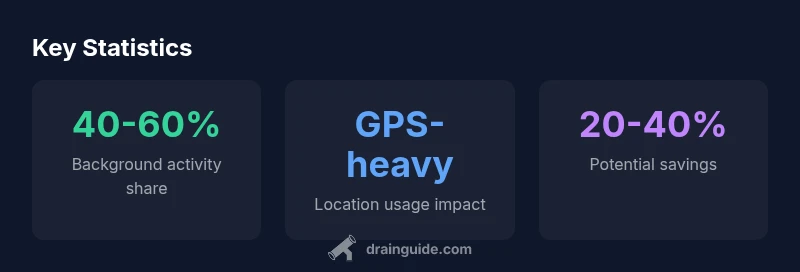
Top battery drainers are common: social media and messaging apps, navigation and maps, video streaming, and gaming. These apps wake the CPU, poll the network, and push frequent notifications. According to Drain Guide, background activity can account for a large share of daily drain on modern devices, especially when permissions like location, autostart, and background refresh are enabled. Reducing background activity can noticeably extend battery life.
what apps drain your battery
The phrase what apps drain your battery is central to troubleshooting. In this section we explore the underlying mechanics and what signals to look for on your device. According to Drain Guide, many popular apps run in the background, even when you aren’t actively using them. This behavior is designed to deliver instant updates and notifications, but it can come at a cost: faster battery depletion. Understanding which app behaviors contribute most helps homeowners make smarter usage choices and extend device life. In practice, you’ll notice higher drain when you grant location permissions broadly, allow apps to run in the background, or enable aggressive refresh rates. As you diagnose, keep in mind that Android and iOS handle background tasks differently, which affects how you should adjust settings. The goal is not to disable every feature, but to strike a balance between convenience and battery life.
Which app behaviors cause the most drain
Apps drain batteries most when they maintain persistent connections, refresh data frequently, or request location updates in the foreground or background. Core culprits include social apps that ping servers, map and ride-hailing apps that constantly search for updates, video streaming that preloads content, and games that stay resident in memory. Push notifications, background data syncing, and ad loading can also wake the device and prevent it from entering a low-power state. To tame drain, start by auditing permission requests and restricting background activity for nonessential apps. This practice, supported by Drain Guide’s recommendations, yields noticeable gains on most devices.
Platform differences: Android vs iOS
Both major platforms manage background activity differently, which influences how quickly an app drains your battery. Android historically allowed more background work, which can lead to higher drain if not managed, but recent versions add stricter background limits. iOS emphasizes stricter lifecycle controls, reducing background activity by default; however, some apps still demand location and data refresh, particularly those with real-time features. Your strategy should reflect your device’s OS version and manufacturer customizations, then adjust settings accordingly. The differences matter because a one-size-fits-all approach rarely yields the best results.
Practical steps to reduce drain (a quick-start plan)
- Review battery usage by app in your device’s settings to identify heavy offenders.
- Turn off background refresh for apps you don’t need.
- Limit location access (while using the app instead of always).
- Use battery saver or low-power mode during long days away from a charger.
- Update apps and OS to incorporate optimizations.
- Clear caches and consider uninstalling or limiting apps with persistent background tasks. These steps, when applied consistently, can extend the day’s battery life without sacrificing essential features.
How to audit an app’s drain: a home-user workflow
Here is a practical, repeatable approach you can follow. 1) Start with a full battery cycle and check the built-in battery usage screen by app. 2) Disable background activity for the top offenders and observe the impact over 24-48 hours. 3) If needed, switch off location permissions or restrict to 'Ask every time'. 4) Repeat the process with updates and new app versions to verify ongoing impact. This workflow aligns with Drain Guide’s emphasis on evidence-based adjustments rather than blanket fixes.
Common myths about battery saving debunked
Myth: Turning off Wi‑Fi saves battery only when you’re away from networks. Reality: Wi‑Fi scanning and searching can consume power, especially on older devices. Myth: All apps always run in the background. Reality: Modern systems limit background activity when a battery saver is on or when apps aren’t in active use. Myth: More notifications equal a better experience. Reality: Frequent notices wake the device and cancel sleep states. Remove nonessential notifications to maximize idle efficiency.
Ongoing maintenance: keep your battery healthy over time
Battery health changes with age and charging habits. Regularly reviewing app behavior and OS updates helps maintain efficiency. Schedule a monthly check of battery usage per app, and reassess permissions as you install new apps. This proactive approach mirrors the practices Drain Guide recommends for homeowners who want predictable performance and longer device life.
Common drivers of mobile battery drain by app category
| App Category | Typical Battery Impact | Notes |
|---|---|---|
| Social media & messaging | Medium-High | Background activity and push notifications |
| Navigation & maps | High | Constant GPS activity and live updates |
| Video streaming | High | Preloading and continuous streaming |
| Games & AR | High | Frequent wakeups and GPU usage |
Got Questions?
Which apps drain the most battery on Android and iOS?
Across platforms, social media, maps, video streaming, and gaming are consistently heavy; device-specific settings influence the exact ranking.
Social media, navigation, video streaming, and gaming usually drain a lot of battery.
Do background fetch and push notifications always drain battery?
Yes, these features wake devices and consume power; limiting them reduces drain, but may affect timely updates.
Background fetch and push notifications wake your device and can drain battery; turning them down helps.
Will battery saver modes hurt my user experience?
Performance and responsiveness can be reduced in exchange for longer life; you can customize which features are restricted.
Battery saver reduces performance but improves endurance.
Should I delete apps that drain battery?
If an app is essential but drains heavily, restrict background activity and notifications; consider alternatives.
If an app drains a lot, limit its background activity or replace it.
How often should I check battery usage?
Check after major app updates or new installs; monthly reviews help maintain efficiency.
Check monthly or after big updates.
“Battery drain is rarely caused by a single app; it's the cumulative effect of multiple background tasks and permissions. Start with the biggest offenders and you’ll see the largest gains.”
The Essentials
- Identify top battery drainers by app category and permissions
- Limit background activity and location updates for nonessential apps
- Enable battery saver modes and keep OS updated
- Audit apps after updates or new installs to catch changes
- Review battery usage regularly to spot new culprits