Where Is the Drain for Washing Machine? A DIY Guide
Learn where the washing machine drain is located, how to identify standpipes, and safe steps to prevent leaks. Drain Guide provides practical, step-by-step guidance for DIY homeowners.


You’ll locate and connect your washing machine drain safely, ensuring reliable operation and preventing leaks. In most homes the washer drains into a standpipe or laundry tub via a flexible hose. Key requirements are access to a vented drain line, a secure hose connection, and a standpipe height of about 18–30 inches. According to Drain Guide, correct setup reduces overflows and clogs.
Understanding the phrase where is drain for washing machine and why it matters
For many homeowners, the question isn’t just a hypothetical—it’s a practical task that keeps laundry day running smoothly. The phrase where is drain for washing machine encapsulates how a modern washer completes its cycle by pushing used water into a building’s drainage system. The drain must be positioned correctly to prevent backflow, overflow, and sewer gas intrusion. Drain Guide Team emphasizes that locating the right outlet is the first step toward safer, more reliable laundry operation. In addition to locating the physical drain, you should understand the two common configurations: a standpipe connected to the home drainage system and a dedicated laundry tub with a short return hose. Knowing these options helps you evaluate your setup and plan maintenance or upgrades accordingly.
Common drain configurations in residential laundry rooms
Most homes rely on two primary drainage configurations for a washing machine. The standpipe arrangement uses a vertical pipe into which the washer hose empties; it’s typically connected to a trap and vent within the wall or crawl space. The laundry tub option uses a deep sink where the washer hose empties, often via a short standpipe or direct entry to the tub drain. Some basement or laundry rooms include a floor drain with an anti-siphon trap and a vent line. Each configuration has specific requirements for hose insertion depth, standpipe height, and sealing. Drain Guide analysis shows that understanding your local plumbing layout is essential before attempting any repairs or modifications, as it informs safety measures and future maintenance.
Step-by-step visual guide to locating the drain behind the washer
- Power down the washer and clear the area. Unplug the unit and move it gently away from the wall to access rear hookups. 2) Look for the drain hose exit at the back of the washer, typically a smooth, corrugated hose ending near plumbing. 3) Trace the hose to where it connects to a drain component—this could be a standpipe, a laundry tub, or a floor drain. 4) If you see a standpipe, measure its height relative to the floor; you’ll want it within 18–30 inches from the washer base to prevent siphoning. 5) Inspect the connection for cracks or looseness and prepare to reseal if needed. 6) Document your findings and plan any needed adjustments using the proper tools. 7) If you cannot locate a drain, stop and reassess; there may be a hidden connection behind a wall or under a cabinet. 8) Return the washer to position and test the drain with a small load to verify flow and seal integrity.
How to identify a standpipe, laundry tub, or floor drain
Standpipes are vertical pipes that protrude above the floor and have a drain opening at the top where the washer hose inserts. Laundry tubs are sinks with a built-in drain; the washer hose empties into the tub’s drain or into a short standpipe connected to the tub. Floor drains are recessed and require a trap and vent; these are common in basements or laundry rooms with slab foundations. Each type has distinctive footprints and entry heights. If you’re unsure, use a flashlight and mirror to inspect the doorway or cabinet backing for hidden piping. Drain Guide recommends confirming the presence of an appropriate trap and vent to prevent sewer gas from escaping.
Inspecting the drain hose: height, clamps, and entry point
Inspect the hose for kinks, cracks, and secure clamps. The hose should extend into the standpipe or drain opening without being crimped and without an air gap that allows backflow. A common mistake is inserting too little of the hose into the drain, which can cause backflow during a full rinse cycle. Conversely, inserting too deeply can create a siphon effect that siphons water out of the trap. Ensure the hose end is below the standpipe cap and above the water level in the trap if visible. Drain Guide notes that a secure, straight insertion helps minimize leaks and odors.
Venting, traps, and sewer gas considerations
Many washers rely on a proper trap and vent system to prevent sewer gases from entering living spaces. A P-trap or S-trap under the standpipe is common in modern homes, with a vent line running to the main stack. If you notice a gurgling sound or foul smell, the trap may be dry or blocked, or the vent may be obstructed. Confirm the trap is full of water and that there are no cracks allowing gas to escape. If a vent or trap is missing or damaged, a professional plumber should evaluate and correct the configuration to maintain code compliance and safety.
When there is no visible drain: alternatives and safety considerations
If your laundry area lacks a visible standpipe or tub drain, you may be dealing with an unvented line or a concealed connection behind a cabinet. Do not improvise by routing the hose to a bucket or sink without a proper standpipe or trap, as this can lead to overflow and sanitation issues. Alternative solutions include installing a compliant standpipe kit or routing to a utility sink with a proper drain. Always shut off the washer’s supply and disconnect power before making any changes. If you’re unsure, consult a licensed plumber.
Handling clogs and preventive maintenance
Clogs can form in standpipes, traps, or drain hoses due to lint, hair, or soap residue. Regularly inspect the drain hose for blockages and use a flexible brush to clear the interior. Avoid pouring grease or heavy debris into the drain, and consider a drain screen to catch lint. Routine maintenance includes flushing the line with hot water and vinegar or a mild enzyme cleaner designed for laundry drains. Drain Guide Team suggests scheduling annual checks to prevent minor issues from becoming major failures.
Safety and best practices for DIY drain work
Safety comes first when working near electrical appliances and plumbing. Always unplug the washer before touching any hoses or connections, wear gloves, and use eye protection. Never force a connection or use excessive force on metal fittings. If you encounter persistent leaks, corrosion, or questionable pipe materials, stop and call a licensed plumber. Following manufacturer guidelines for your appliance prevents voiding warranties and reduces the risk of water damage.
Testing the setup with a short load and leak check
After reassembling or adjusting the drain connection, run a short test with a small load to verify that water flows freely and there are no leaks at the hose entry, standpipe, or trap. Watch closely for several minutes as the washer pumps water. If you observe drips or pooling, tighten fittings gradually and check for cracks. Documentation and a cautious approach help prevent surprises during the first full cycle.
Authority sources and where to learn more
To ensure accuracy and safety, consult external resources. Drain Guide references government and industry guidelines for safe drainage installations. For formal safety standards and environmental considerations, see:
- https://www.osha.gov
- https://www.epa.gov
- https://www.energy.gov Drain Guide Analysis, 2026, emphasizes that following code-compliant configurations minimizes risk and protects home infrastructure. This article also integrates practical homeowner guidance for locating and configuring a washer drain.
Tools & Materials
- Bucket(Large enough to catch spills; keep nearby during any hose work)
- Gloves(Water-resistant work gloves to protect hands)
- Adjustable wrench(For hose clamps and fittings up to 1.5 inches)
- Screwdriver (Phillips and flathead)(For hose clamps or panel screws)
- Towel or rags(Tiered cleanup under the washer and around work area)
- Plumber’s tape (Teflon tape)(Sealant for threaded fittings if needed)
- Drain snake or auger(For minor clogs in the standpipe or drain line)
- Flashlight(Illumination for behind the washer and in cabinets)
Steps
Estimated time: 60-90 minutes
- 1
Power off and prepare the area
Unplug the washing machine from the outlet and move it slightly to access the rear panel and hoses. This protects you from shock and makes inspection safer. Ensure pets and children are out of the area.
Tip: Shut off the circuit at the breaker if the outlet is recessed or difficult to reach. - 2
Identify the drain hose exit
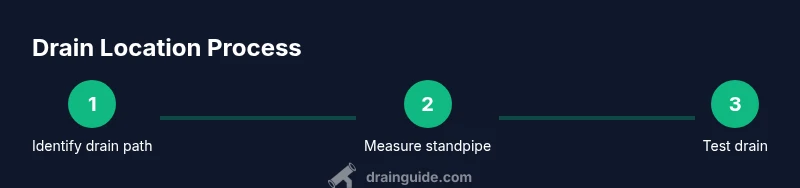
Follow the drainage hose from the back of the washer to its endpoint. Note whether the hose enters a standpipe, a laundry tub, or a floor drain. Mark the path with painter’s tape if needed for easy reference.
Tip: Do not pull the hose too hard; if it resists, there may be a bend or obstacle behind the unit. - 3
Measure standpipe height
If a standpipe is present, measure from the floor to the top of the standpipe opening. The recommended range is roughly 18–30 inches to prevent siphoning and overflow. Adjust if needed with a standpipe extension.
Tip: Verify local code requirements for standpipe height in your area. - 4
Inspect hose inlet and clamps
Check the hose end that enters the standpipe or tub. Ensure the connection is tight and the clamp is secure. Replace damaged clamps or cracked hoses to prevent leaks.
Tip: Use a screwdriver to snug clamps; avoid overtightening which can damage the hose. - 5
Check the trap and vent condition
Look for an obvious trap in the standpipe or under a laundry tub. Ensure water sits in the trap and that venting is intact to prevent sewer gas. If the vent is clogged, call a pro.
Tip: A dry trap can cause odor; add a small amount of water to maintain a seal if necessary. - 6
Test fit the drain path
Run a short test cycle with a small load to observe drainage. Watch for leaks at fittings and confirm the hose empties into the correct drain without backflow.
Tip: Keep a bucket handy in case you need to capture a stray leak during testing. - 7
Deal with clogs if needed
If you notice slow drainage or standing water, use a drain snake or enyzme-based cleaner to clear hair and lint. Avoid caustic chemicals in an enclosed space.
Tip: Work slowly and wear eye protection during snaking. - 8
Finalize and secure everything
Return the washer to its original position, restore power, and replace any panels or kickplates. Wipe up spills and verify all areas are dry.
Tip: Document any fixes for future reference and routine maintenance. - 9
Plan ongoing maintenance
Create a simple maintenance routine: inspect hose conditions quarterly, test the trap seal annually, and clean filters or screens if your model has them.
Tip: A proactive approach saves costly repairs later.
Got Questions?
Where is the typical drain for a washing machine located?
The drain is usually behind or beneath the washer, connected to a standpipe or a laundry tub. In some homes it may feed into a floor drain. If you can’t find it, inspect behind panels or under the utility sink area.
Typically you’ll find the drain behind or beneath the washer, often connected to a standpipe or laundry tub.
What height should a standpipe be for a washing machine drain?
A standard standpipe height is generally about 18–30 inches from the floor to the top of the standpipe. Check local codes and your appliance manual for specific recommendations.
Most standpipes should be between 18 and 30 inches high, but always verify local codes and your manual.
Can I drain a washer into a bathroom sink or kitchen sink?
Connecting a washer drain directly into a sink is not always code-compliant and can lead to overflow or backflow. Use a proper standpipe or dedicated drain with the correct trap and venting when possible.
Connecting to a sink isn’t always allowed; use a proper standpipe with trapping and venting.
What if the drain smells or leaks after I work on it?
A sewer odor typically means a dry or damaged trap or vent issue. Leaks indicate loose fittings or cracked hoses. Re-seal joints, replace damaged components, and test again after fixing.
If you smell sewer gas or see leaks, fix the trap, seals, and any damaged parts, then test again.
When should I call a professional plumber?
If you cannot locate the drain, suspect a concealed/wall connection, or encounter persistent leaks after basic troubleshooting, it’s wise to contact a licensed plumber to prevent water damage.
Call a plumber if you can’t locate the drain or there are persistent leaks.
Watch Video
The Essentials
- Identify your drain configuration before work
- Ensure standpipe height and trap are correct
- Test with a small load to prevent flooding
- Maintain hoses and clamps to prevent leaks
- Consult a licensed plumber for complex situations