Drain a Washing Machine: Step-by-Step Guide
Learn safe, practical steps to drain a washing machine, clear clogs, and prevent backups. This guide covers unplugging, accessing the drain hose, inspecting the standpipe, and using a drain snake for effective troubleshooting.


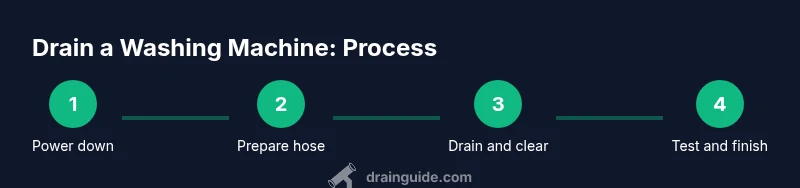
To drain a washing machine, unplug the unit and move it to access the drain hose. Place a bucket underneath, disconnect the hose from the washer, and guide the end into the bucket or a standpipe. Run a brief spin cycle to evacuate remaining water, then inspect the standpipe for clogs and clear with a drain snake if needed.
Safety First: Power, Water, and Workspace
Before you begin any drainage work on a washing machine, set safety first. Unplug the appliance to eliminate the risk of electrical shock, and if possible, shut off the water valves to avoid accidental leaks. Move the machine a few inches away from the wall to access the back panel and the drain hose. Lay down towels or a drop sheet to protect the floor. Have a bucket, towels, and a flashlight within arm’s reach. A clean, organized workspace reduces accidents and speeds troubleshooting. According to Drain Guide, starting with a safe, planned setup helps prevent damage to your washer and surrounding area. Wear gloves when handling wet components, and never reach into hoses that are pressurized or energized.
Understanding the Drain Path: Hose, Standpipe, and Trap
Washing machines drain through a flexible hose that carries used water from the drum to a standpipe, laundry sink, or floor drain. The end of the hose should be positioned so it does not create a siphon or splash back. In most homes, the standpipe is mounted about 18–30 inches above the trap; keep the hose end below the water level in the tub but not so low that it creates a flood if the tub spills. Inspect the path for kinks, bends, or signs of leakage. If the hose is damaged, replace it before you attempt to drain, as a compromised hose can leak or burst when water pressure returns. Drain Guide Team notes that a clear, unobstructed path is essential for effective drainage and quick troubleshooting.
Gather Your Tools and Prepare the Area
Having the right tools on hand saves time and reduces mess. Assemble a bucket large enough to catch water, several towels for leaks, a pair of adjustable pliers, a flashlight for dark corners, a drain snake or auger for clogs, and a flexible tool like a snake or coat hanger for small debris. A container or extra bowl can help collect water when you disconnect hoses. If you don’t have a snake, a locally available alternative is a long, stiff wire—carefully inserted to avoid puncturing pipes. Wear gloves and protective eyewear if you’ll be handling metal parts or debris. Safety aside, prepping your tools makes each step smoother and faster.
Step 1: Power Down and Move the Washer
Begin by unplugging the machine and gently sliding it away from the wall so you can reach the drain hose and back panel. Power down eliminates the risk of electric shock should water leak or spray. If your washer has a rear access panel, loosen the screws with the appropriate screwdriver to expose the drain hose and clamp. Do not twist or yank on hoses; moving the machine slowly reduces the chance of stripping connectors or damaging connectors. Confirm that the surrounding area is dry and free of obstacles. By establishing a clear workspace, you set yourself up for a controlled draining process.
Drain the Tub Manually: Detach and Collect Water
With the machine unplugged and the hose accessible, place your bucket under the drain hose end. Carefully disconnect the hose from the machine’s drain port, supporting the end so it doesn’t whip around. Direct the hose into the bucket or toward your standpipe, letting gravity do the work. If the tub holds a significant amount of water, you may need to tilt the drum slightly to encourage drainage, but avoid forcing water out through a kinked tube. Keep towels handy to catch splashes and wipe up spills immediately. This step reduces the water that will spill when you begin clearing clogs or examining the standpipe.
Check the Standpipe and Trap for Clogs
Once the tub has drained, inspect the standpipe and any accessible trap for blockages. Remove the standpipe cap if present, and look for hair, soap scum, fibers, or mineral deposits. Clear out loose debris with gloved hands or a long tool, being careful not to push material further into the line. If you notice standing water around the trap, it may indicate a larger blockage downstream. In that case, you’ll need to work from the drain line outward or consider using a snake or auger to break up the obstruction. Drain Guide cautions that avoiding partial blockages will prevent backflow and odor issues.
Use a Drain Snake or Auger to Break Up Clogs
A drain snake is an effective tool for addressing stubborn clogs in the washer drain or standpipe. Insert the snake slowly, rotating as you push, and feed it into the pipe while applying steady pressure. When you feel resistance, twist to break up the obstruction and pull back gradually to remove debris. If you encounter a snag or the snake gets stuck, do not force it; withdraw and reposition. For tight spaces, trim the snake tip to a blunt end and use a small amount of pipe-friendly lubricant to ease entry. After pulling out debris, feed the snake again to ensure the line is clear. Drain Guide Team reminds readers that mechanical methods are safer for washer drains than chemical cleaners.
Reattach the Hose and Test the Drain
With the line cleared, reattach the drain hose to the washer, ensuring the connection is snug and not cross-threaded. Position the hose end back into the standpipe or a suitable drain, and slowly restore power. Run a short cycle—ideally a rinse or drain-only program—to confirm water flows through without leaks, spurts, or backflow. Observe for any signs of leaking at connections and verify that the water level drops as expected. If water backs up or leaks from seals, recheck fittings and the trap area, then consider repeating the clearing step or seeking professional help.
Odors, Bacteria, and Sanitizing After Draining
Standing water in drains or residual moisture can breed odors and bacteria. After draining, flush the system with clean water and a mild cleaning solution if accessible. Wipe down the drum area, hose ends, and the surrounding floor with a damp cloth, then allow everything to dry completely before reusing the washer. A quick spray of a vinegar-water solution can help neutralize odors, followed by a thorough rinse. Ensure the trap and standpipe are dry before reconnecting the hose to prevent mildew growth and future odors.
When to Call a Professional
If drainage remains slow after clearing the line, or if you notice repeated backups, a professional plumber is warranted. Reaching out sooner can prevent water damage and mold growth in your home. If the problem involves complex pipe configurations, sewer lines, or a backed-up system beyond the standpipe, a pro can diagnose and repair safely. Budget for a service call and parts if needed, and keep a log of what you observed to help the plumber troubleshoot efficiently. Drain Guide Team recommends weighing the cost and risk before continuing to DIY.
Maintenance to Prevent Future Clogs and Leaks
Preventive maintenance is easier than repeated drain clearing. Use the washer with appropriate load sizes, avoid overuse of heavy fabrics that shed fibers, and install a lint filter if your model supports it. Regularly run a maintenance cycle with hot water and a mild cleaner to minimize soap scum buildup. Inspect hoses for cracks or bulges every few months and replace as needed. Consider keeping a short, flexible drain snake handy for quick area checks and occasional cleanouts. Drain guides emphasize consistent monitoring as the best defense against recurring clogs and leaks.
AUTHORITY SOURCES
For further reading and formal guidance, refer to reputable sources:
- https://www.epa.gov
- https://www.osha.gov
- https://extension.illinois.edu
The Drain Guide Team recommends following these steps and consulting the sources above if you encounter persistent drainage issues.
Tools & Materials
- Bucket (at least 2 gallons)(Placed to catch water from the drain hose)
- Towels or absorbent rags(Protect floors and clean spills)
- Gloves(Keep hands clean and safe)
- Adjustable pliers(Disconnect hose clamps and fittings)
- Drain snake / hand auger(Clear stubborn clogs in drain or standpipe)
- Flashlight(Inspect dark corners and behind machine)
- Screwdriver set (Phillips/Flathead)(Remove back panel to access hose)
- Long stiff wire (coat hanger)(Impacted debris)
- Liquid soap or pipe-friendly lubricant(Ease entry for snake)
- Water source for rinsing(Optional to flush after cleaning)
Steps
Estimated time: 60-90 minutes
- 1
Power down and move the washer
Unplug the unit and slide it away from the wall to access the back panel and drain hose. This reduces the risk of electric shock and gives you room to work. Confirm the area behind the washer is dry and clear before proceeding.
Tip: Use one foot of clearance behind the machine to avoid pinching cords. - 2
Position the bucket and prepare the drain hose
Place a bucket under the hose end and ensure the hose can reach the bucket or standpipe without kinking. Keep towels nearby in case of splashes. If you must move the hose, do so gently to avoid damaging it.
Tip: Have a second container ready if you need to drain into two locations. - 3
Disconnect the drain hose from the washer
Carefully loosen the clamp or connection at the washer end and detach the hose. Support the hose's end to prevent it whipping or spilling water. Direct the hose toward the bucket or standpipe so gravity does the work.
Tip: Do not pull on the hose with force; loosen clamps slowly. - 4
Lower the hose end into the bucket or standpipe
Guide the end of the hose into the container or standpipe. Keep it above the bucket to avoid backflow and ensure a steady drain. Check that the standpipe is clear before continuing.
Tip: If using a standpipe, ensure the end remains submerged to prevent splash-back. - 5
Run a brief drain/spin to empty the tub
Power the machine or set it to a drain-oriented cycle to evacuate remaining water. Stop the cycle if you hear unusual noises or see leaks at connections.
Tip: Observe the water flow and stop if the water backs up elsewhere in the unit. - 6
Inspect the standpipe for clogs
With the tub drained, look for visible blockages in the standpipe and trap. Remove hair, fibers, and soap scum by hand if accessible, using gloves.
Tip: Do not force debris through the pipe; remove it carefully and recheck. - 7
Use a drain snake to clear stubborn clogs
Insert the snake into the pipe and rotate it as you push to break up the obstruction. Pull back slowly to remove debris. If you meet resistance, reposition and retry rather than forcing the tool.
Tip: Lubricate the snake tip lightly to ease entry in tight spaces. - 8
Rinse and recheck the line
Reinsert the hose, run a small test drain, and verify the water flows freely without leaks. If necessary, repeat the snake procedure until the line remains clear.
Tip: Keep towels handy for any residual spray or leaks. - 9
Reconnect hoses and perform a full test
Reconnect the drain hose firmly, power the machine, and run a full wash cycle to ensure proper drainage. Watch for leaks at seals and connections and listen for any unusual sounds.
Tip: If leaks occur, re-tighten connections and inspect the trap area again. - 10
Address odors and sanitize
After draining, wipe down hoses and the surrounding area. Use a light vinegar-water spray to neutralize odors, then rinse and dry thoroughly.
Tip: Allow all components to dry completely before the next use. - 11
Document what you did and monitor
Make a quick note of the issue, steps taken, and any parts replaced. Monitor the washer over the next several cycles for signs of recurring drainage problems.
Tip: If problems persist beyond a few cycles, consider professional assessment. - 12
Plan preventive maintenance
Schedule regular drain inspections, use appropriate loads, and check hoses every few months to minimize future clogs. Keep a small drain tool handy for quick checks.
Tip: Adopt a monthly quick-check routine to catch issues early.
Got Questions?
What should I do first to drain my washing machine?
Unplug the washer, move it to access the drain hose, and place a bucket under the hose before detaching it. This minimizes risk and controls water flow.
First, unplug the washer, move it to reach the drain hose, and place a bucket under the hose before detaching it.
Can I use chemical drain cleaners to clear a washer drain?
Chemical drain cleaners are not recommended for washer drains. They can damage hoses and pipes and may back up into the drum. Use mechanical methods like a snake instead.
No. Avoid chemical cleaners for washer drains and use a snake or manual clearing instead.
What if water won't drain even after clearing the hose?
If drainage is still slow, there may be a blockage deeper in the plumbing or a faulty pump. Stop DIY attempts that risk flooding and consult a plumber.
If it still drains slowly, the block may be deeper in the plumbing. Consider calling a plumber.
How can I prevent future clogs in my washer drain?
Avoid overloading the washer, use appropriate detergents, and periodically inspect hoses for kinks or wear. Run an occasional maintenance cycle to minimize soap scum and lint buildup.
Prevent clogs by avoiding heavy loads, using proper detergents, and inspecting hoses regularly.
Is it safe to drain into a floor drain or standpipe?
Yes, draining into a standpipe or floor drain is standard, as long as the standpipe height and termination prevent backflow and splashback.
Draining into a standpipe is fine as long as backflow is prevented.
How often should I check the washer drain system?
Check the drain hose and standpipe every few months, especially if you notice slower draining or backups, and replace any worn hoses promptly.
Do a quick check every few months and replace worn hoses as needed.
The Essentials
- Unplug and prepare the workspace before draining.
- Follow the drain path and keep the hose end submerged.
- Use a drain snake for stubborn clogs—avoid forcing tools.
- Test the drain thoroughly after cleaning for leaks.
- Prevent future issues with regular maintenance and careful use.