How to Check If Your Washing Machine Drain Hose Is Clogged
Learn a clear, step-by-step method to diagnose and clear a clogged washing machine drain hose, plus prevention tips and when to call a pro.


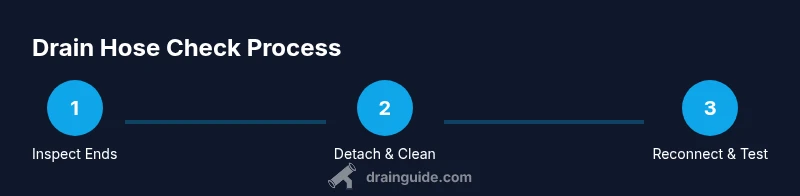
You will verify whether the washing machine drain hose is clogged by inspecting the hose ends, disconnecting it safely, and testing water flow. Start with safety steps: unplug the machine, move it for access, and gather basic tools. Then follow a straightforward, field-tested sequence to assess flow, clear obstructions, and confirm proper drainage.
Why drain hose clogs happen
A clogged drain hose is a frequent source of drainage problems in modern washers. Over time, lint, fibers, hair, soap scum, and mineral deposits can accumulate inside the hose, especially in long service runs or in households with high-efficiency detergents. The curved path of the hose and its proximity to the pump stage also invite debris to collect and compact, creating an obstruction that impedes water flow. According to Drain Guide, many home drainage issues begin with a blocked hose, often before the pump. A blocked hose not only slows drainage but can cause water to back up into the tub or floor if backflow protection is overwhelmed. By understanding how hoses clog, you can prioritize checks and save yourself from more invasive repairs later. Regular hose checks as part of routine maintenance help catch small blockages before they become stubborn clogs. In this article, we’ll walk through the causes, signs, diagnostic steps, safe clearing methods, and prevention strategies, all tailored for homeowners and DIY enthusiasts.
Signs your washing machine drain hose is clogged
Clog indicators vary from mild to severe. The earliest clue is slower drainage: water taking longer to empty from the tub after a wash, or it taking multiple cycles to fully drain. You may notice water backing up in the washer or onto the floor around the machine, particularly during high‑water cycles. Backflow into the tub or into the drain after a rinse can also signal a partial blockage. Gurgling sounds behind the panel or in the hose path, and a washer that seems to need a longer rinse, both point to restricted flow. If you see bubbles or suds appearing unusually in the drain area, that can indicate trapped air or debris obstructing the line. Use a flashlight to inspect the hose’s exterior for kinks or crushed sections that limit water movement. Drain Guide’s analysis highlights slow drainage as a common early warning sign; catching it early makes clearing easier and safer. If any of these symptoms appear, don’t ignore them—address the hose first before moving to other components like the pump or filter.
How to examine the drain hose safely
Before you begin, unplug the washer and move it away from the wall to create space for work. Put on gloves and keep a shallow tray or towels handy for catching any residual water. Locate the drain hose connected to the back of the machine and trace it to where it exits the home—usually into a standpipe or laundry sink. Check both ends for secure clamps and visible blockages. Look for kinks, dents, or flattened sections that trap debris and restrict flow. At the pump end, verify the hose clamps are tight and that the hose isn’t slipping off the fitting. If the hose is removable from the standpipe, you can gently detach it to inspect the interior for lint, fibers, or small objects. Take photos as you go so you can reassemble accurately. This step-by-step inspection helps you distinguish a clogged hose from a blocked pump or filter. Drain Guide emphasizes safety first: never work with live electrical components, and always drain water safely.
How to remove and clear a clogged hose
Disconnect the hose from the washer and the standpipe or drain. Place a bucket underneath to catch the residual water. Gently loosen the hose clamps with the appropriate screwdriver and pull the hose free. Inspect the interior with your fingers or a flexible brush to feel for the blockage; if you can’t reach it, flush the hose with a strong stream of water or use a small plumbing snake compatible with hoses. Remove any lint, hair, threads, or soap scum you find. Reattach the hose, ensuring the clamps are secure and that the hose cannot slip off during operation. Reconnect to the drain and closely inspect for leaks before running a test cycle. If you still observe slow drainage after clearance, re-check the hose path for new kinks or debris that might have re-formed. The goal is to restore an unobstructed flow from the tub to the drain while maintaining a proper seal at both ends.
Prevention and maintenance to avoid future clogs
To minimize future clogs, establish a simple routine: inspect the drain hose every few months, especially after heavy laundry loads or the use of fiber-rich textiles. Use the correct type and amount of detergent to reduce soap scum production; too much detergent creates bubbles that trap more lint inside the hose. Run a maintenance wash or flush the hose periodically to push debris through; this helps keep the line clear between deep cleanings. Consider installing a simple hose guard or securing the hose to prevent sharp bends and kinks. When possible, route the hose in a straight, gravity-assisted path rather than a tight loop that collects debris. Drain Guide notes that proactive checks reduce the risk of backflow and water damage, especially for households with pets or children that shed fibers.
When to call a professional
Many drain hose issues you can handle yourself, but some conditions warrant expert help. If you notice persistent leaks at hose connections after reassembly, if the pump or the standpipe shows signs of damage, or if you cannot access the hose due to a built-in cabinet, it’s time to call a plumber or appliance service. If you lift the washer and discover mold, persistent standing water behind the unit, or a sewer odor in the laundry area, these are red flags that require professional assessment. Likewise, if you’re uncomfortable with removing panels or manipulating electrical connections, don’t risk injury—reserving the task for a specialist is the safest option. Drain Guide endorses a cautious approach: attempt the basic hose check and cleaning, but seek professional help for complex issues or repeated clogs that recur after clearance.
Quick troubleshooting checklist you can use
At the end of diagnosis, you can run a quick post-check list to verify the hose is clear and functioning: confirm the hose end is firmly attached, test with a small load, observe the drain time, and listen for unusual sounds. If the load drains normally and water exits smoothly into the standpipe, that’s a good sign. Keep a log of any recurring symptoms—date, load type, and whether the problem recurs after a wash. This helps you track whether the issue is intermittent or persistent and guides future maintenance. Drain Guide recommends keeping a spare hose clamp in your tool kit and routing hoses with gentle curves to prevent pinch points.
Tools & Materials
- Safety gloves (PVC or rubber)(Non-slip, protect hands while handling water and metal clamps)
- Bucket or shallow tray(Catch residual water during hose removal)
- Towels or rags(Protect floor and absorb spills)
- Adjustable pliers(Loosen hose clamps without damaging fittings)
- Screwdriver (Phillips #2 or flathead, depending on clamps)(Remove or tighten hose clamps securely)
- Flashlight(Improve visibility inside the hose path)
- Flexible cleaning brush or pipe snake (optional)(Help remove stubborn debris inside hose)
Steps
Estimated time: 30-45 minutes
- 1
Power off and prepare
Unplug the washing machine and move it slightly to access the back panel. Gather towels, a bucket, and basic hand tools. This minimizes water spills and keeps you safe while working.
Tip: Have a clear space behind the washer; you’ll pull the hose free in a controlled way. - 2
Locate drain hose ends
Identify both ends of the drain hose: the connection to the washer and the connection to the drain (standpipe or sink). Check clamps and look for obvious kinks or damage.
Tip: Take a photo of the original setup to aid reassembly. - 3
Disconnect the hose
Loosen hose clamps with the screwdriver or pliers and carefully pull the hose off the fittings. Expect some water to spill; keep the bucket handy.
Tip: Do not pull hard if the hose is still sealed at the standpipe—loosen the other end first. - 4
Inspect the interior
Hold the hose up to a light to look for blockages. Use a gloved hand or a flexible brush to dislodge lint, hair, and soap scum.
Tip: If debris is tight, a flexible snake can help without damaging the hose. - 5
Flush and test flow
Run clean water through the hose to push out remaining debris. Reattach the hose loosely to test water flow before tightening clamps fully.
Tip: Avoid forcing objects in; if water doesn’t flow after flushing, repeat inspection or consider replacing the hose. - 6
Reconnect and verify
Secure clamps, reconnect both ends, and run a short test cycle with a small load. Check for leaks and confirm swift drainage.
Tip: If leaks appear, reseat clamps and verify the hose path isn’t pinched.
Got Questions?
What are the most common causes of drain hose clogs in washing machines?
Most clogs start with lint, hair, and fabric fibers that accumulate over time, especially when washing loads with heavy fiber content. Soap scum and mineral deposits can also build up, narrowing the hose interior. Regular inspections help catch these blockages early.
Clogs usually start with lint and hair building up inside the hose, with soap scum and mineral deposits contributing over time.
Can I clear a clogged drain hose myself, or should I call a professional?
Many clogs can be cleared with basic tools and careful inspection. If you encounter persistent leaks, damaged fittings, or repeated clogs after clearing, consider professional service to avoid water damage or property risk.
Most hoses you can clear yourself, but call a pro if leaks or repeated clogs happen.
Is it safe to use chemical drain cleaners on a washing machine hose?
No. Chemical drain cleaners can damage the hose, pump, and seals, and they may not reach partial blockages effectively. Use mechanical clearing and proper flushing instead.
Avoid chemical cleaners; they can harm the washer and aren’t always effective.
How often should I inspect the drain hose?
Inspect the drain hose every few months, especially after large or fiber-heavy loads. If you notice slow draining, check sooner rather than later.
Check the hose every few months, or sooner if draining slows down.
What if the hose is clear but the washer still won’t drain?
A clear hose doesn’t guarantee full function. Check the pump, lint screen, and standpipe for blockages or air locks. Also verify the drain hose isn’t kinked along the path.
If the hose is clear but the washer still drains slowly, inspect the pump and standpipe too.
Are there signs I should avoid attempting this repair myself?
If you notice persistent leakage, mold behind the machine, or sewer odors, stop and call a professional. Electrical concerns also warrant expert help to prevent injury.
Stop and call a pro if you see leaks, mold, or odors behind the machine.
Watch Video
The Essentials
- Power off before inspecting the hose.
- Check both ends and interior for blockages.
- Use proper tools to clear debris safely.
- Reassemble securely and test drainage.
- Incorporate routine hose maintenance to prevent clogs.