Drain for Washer Machine: A DIY Troubleshooting Guide
Learn how to diagnose, clear, and maintain the drain for washer machine with practical steps, safety tips, and prevention strategies to avoid clogs and overflows.


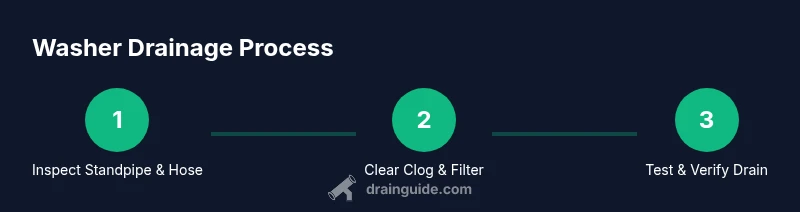
Steps you will take to address a drain for washer machine include safely disconnecting power and water, inspecting the standpipe and drain hose, and using a plunger or drain snake to clear clogs. This guide also covers pump filters and preventive maintenance to prevent future backups.
Why the drain for washer machine matters
A properly functioning drain for washer machine is essential to prevent accidental overflow, water damage, and mold in the laundry area. When a washer finishes a cycle but cannot evacuate water, you may see standing water, gurgling sounds, or a slow drain. According to Drain Guide, keeping the drainage path clear not only protects your floors but also extends the life of the washer by reducing stress on the pump. Regular maintenance reduces service calls and unexpected downtime, making laundry days smoother for homeowners and DIY enthusiasts. In this guide we’ll cover common causes, safe diagnostic steps, and practical remediation you can perform with common tools.
Common causes of drainage problems
Drainage issues in laundry rooms happen for several reasons. A clogged standpipe or drain hose is the most frequent culprit, often from lint, detergent residue, or hair buildup. A kinked or pinched drain hose can cause airlocks and slow drainage, while an improperly installed standpipe height can trigger siphoning or backflow. Front-load machines may collect lint in the pump filter, and top-load models rely on a working impeller and drain pump to evacuate water. A blocked vent or sewer line can also force water to back up into the washer or tub. Identifying whether the problem is local to the appliance or part of the home's drainage system helps you choose the right fix.
Diagnosing the drainage issue: a quick checklist
Start with a simple visual inspection and safe checks. Confirm the washing machine is level, the drain hose is firmly connected, and the standpipe is clear and not submerged beyond the recommended height. Check for standing water in the tub after running a short cycle, which can indicate a partial clog or a malfunctioning pump. Listen for unusual sounds from the pump and inspect the filter or trap if your model has one. If you’re comfortable, perform a controlled drain test by running a short cycle with the hose disconnected to observe flow, but always do this only with power off and water silenced. Drain Guide emphasizes documenting what you observe to guide any further steps or professional help.
Clearing a clog: approaches and tools
Begin with non-destructive methods: a plunger can dislodge minor clogs in the standpipe or hose, while a wet/dry vacuum can help extract water from the line if needed. If plunger fails, a drain snake (auger) can break through more stubborn obstructions. Remove and clean the pump filter if your washer has one, as buildup here commonly causes backup. When using chemical drain cleaners, avoid mixing with laundry detergents and never use caustic powders inside the washer or standpipe—these can damage components and harm plumbing. Always work slowly and stay mindful of water and electrical safety.
Preventive maintenance to keep drains clear
Regular maintenance reduces the chance of future backups. Schedule a quarterly check of the pump filter (if present), and clean lint traps or screens after every few loads. Use the correct amount of detergent to minimize suds and residue, and consider running an occasional hot-water rinse with a cup of white vinegar to help loosen mineral deposits in the hose and standpipe. Ensure the standpipe remains at the recommended height and that all connections are secure. Simple habits like avoiding overloading the washer and cleaning the drain hose inlet can dramatically improve drainage reliability over time.
Safety and best practices when working on washer drainage
Always unplug the washer and turn off the water supply before starting any maintenance. Use rubber gloves and safety glasses if you’re handling dirty water or sharp edges around the standpipe or hoses. Do not rely on household cleaners to clear major clogs; if the drain remains blocked after basic remediation, a professional should assess the system to prevent leaks or pipe damage. If you smell gas or suspect a sewer gas issue, evacuate and contact a licensed plumber immediately. Drain Guide’s approach emphasizes cautious, incremental steps and documenting results to avoid repeat issues.
When to call a professional
If the drain remains slow or backs up despite clearing procedures, or if you notice wastewater in other drains, it may indicate a larger blocked line or vent issue. Persistent drainage problems can also be caused by a faulty pump, damaged standpipe, or improper venting, which typically require a licensed plumber. For staging a professional visit, record the symptoms, model of the washer, and a short history of the attempts you’ve made. Drain Guide recommends seeking help when you encounter repeated backups, water leaks, or uncertain electrical safety considerations.
Common mistakes to avoid
Avoid using large quantities of chemical drain cleaners inside the washer or standpipe—they can cause damage and emit harmful fumes. Never pull on hoses with power plugged in, and never operate a washer with water still present in the drum if you suspect a leak. Over-tightening connections can lead to stripped threads and leaks, while ignoring repeated backups will often worsen clogs. By staying methodical and patient, you reduce the risk of additional damage and achieve a safer, more reliable drainage system for your laundry room.
Tools & Materials
- Bucket(Place under the standpipe to catch spills)
- Rubber gloves(Protect hands from dirty water)
- Adjustable wrench(For hose clamps or fittings if needed)
- Screwdriver (Phillips/flat)(Access pump filter or hose clamps)
- Drain snake (auger)(Dislodge deeper clogs in standpipe/hose)
- Plunger(Dislodge minor clogs in standpipe/hose)
- Wet/dry vacuum(Suction to remove standing water)
- Towels or rags(Clean up spills and dry surfaces)
- Flashlight(Inspect hose, trap, and standpipe in dark corners)
- Flashlight(Inspect hose, trap, and standpipe in dark corners)
Steps
Estimated time: 60-90 minutes
- 1
Power off and shut water supply
Unplug the washer and shut off the hot and cold water valves. This prevents accidental shocks or flooding while you work. Take a quick photo of hose connections for reference when reassembling.
Tip: Always verify power is off with a quick test before touching any electrical components. - 2
Inspect standpipe and hose setup
Check that the drain hose is secure, not kinked, and routed into a standpipe at the proper height (usually 18-30 inches depending on local code). A loose or kinked hose can trap air and slow drainage.
Tip: If the hose is too long, trim to the correct length to prevent kinking. - 3
Test for standing water in tub
Run a short cycle and observe whether water drains normally. If water remains, there is a blockage or pump issue. Collect any overflow in a bucket while observing.
Tip: Note when water stops draining — mid-cycle or after spin — to identify the stage of failure. - 4
Clear shallow clogs with plunger
Place a wet rag at the seam around the standpipe and use a plunger to create a seal. Push and pull steadily to dislodge the clog, focusing on the standpipe where wastewater exits.
Tip: Use short, firm strokes; avoid aggressive plunging that could push water back into the washer. - 5
Use a drain snake for deeper clogs
If plunging doesn’t clear the blockage, insert the drain snake into the standpipe or hose and rotate to break up the clog. Extend slowly until you feel resistance, then retract with debris.
Tip: Dry-run the snake several inches before turning; this prevents damage to the pipe when hitting a hard obstruction. - 6
Check and clean the pump filter
Access the pump filter on your washer (usually behind a small door at the bottom or back). Remove debris, rinse, and reinstall. A clogged filter is a common cause of slow drainage.
Tip: Keep a shallow tray handy to catch residual water as you remove the filter. - 7
Reassemble and run a test cycle
Reconnect hoses, restore power, and run an empty hot-water cycle to verify drainage. Look for clear water flow and listen for the absence of unusual sounds.
Tip: If the drain is still slow, pause and repeat the previous steps, documenting what changed. - 8
Evaluate results and next steps
If flow is consistent, you’ve likely resolved a minor clog. If problems persist across loads or drains, consider professional service for potential pump or vent issues.
Tip: Keep notes of what you tried and any recurring patterns to help a technician diagnose faster.
Got Questions?
Why is my washing machine draining slowly?
Common causes include a clogged standpipe, blocked drain hose, or a dirty pump filter. Check each area in sequence to identify where the blockage is.
A slow drain is usually from a clog in the hose, standpipe, or pump filter. Check each area step by step to find the blockage.
Can I use chemical drain cleaners for the washer drain?
Avoid chemical cleaners inside the washer or standpipe as they can damage components and create hazardous fumes. Use mechanical methods like plungers or a snake instead.
Avoid chemical cleaners in the washer. Use a plunger or a drain snake to clear clogs safely.
What should I do if water backs up into the washer after a drain?
Backups can indicate a sewer vent issue or a deep clog in the main line. Stop using the washer and call a professional if backups persist.
If water backs up into the washer, stop and call a professional if it continues after basic checks.
Is it safe to use a drain snake on a washer drain?
Yes, a drain snake can clear deeper blockages in the standpipe or hose, but proceed carefully to avoid damaging pipes. Follow manufacturer instructions for the tool.
Yes, a drain snake can help clear deeper clogs if you’re careful and follow the tool's instructions.
When should I replace the pump or hoses?
If repeated clogs persist after cleaning or you hear grinding from the pump, replacement may be necessary. A service professional can confirm parts and install.
If clogs keep coming back or you hear pump noise, you may need to replace parts—consult a pro.
Can a high drain hose cause issues?
An excessively long or elevated hose can trap air and resist drainage. Ensure the hose length and height align with the manufacturer’s specs.
Yes, an overly high or long hose can slow drainage; adjust to the recommended height.
Watch Video
The Essentials
- Identify whether the issue is local to the washer or the home drainage system.
- Start with hose/kink checks before diving into pumps or pipes.
- Maintain the pump filter and avoid harsh cleaners inside the machine.
- Safety first: unplug power and shut water supply before working.
- Seek professional help if backflow or persistent backups occur.