Landscaping Drain: Step-by-Step Guide to Yard Water Management
Master landscaping drain techniques to move stormwater away from foundations and gardens with a practical, step-by-step guide, plus tools and safety tips.


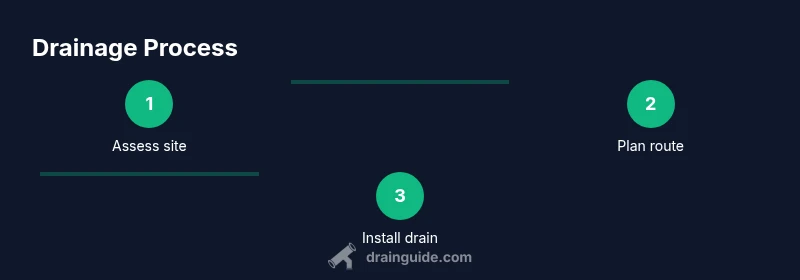
A landscaping drain redirects excess water away from garden beds and foundations using a trench, perforated pipe, gravel, and filter fabric. To start, plan a path with gentle slope, dig a trench about 6-12 inches deep, lay a perforated pipe, cover with gravel and fabric, and route to a suitable discharge. Proper grading prevents pooling, soil erosion, and mosquito breeding.
Why landscaping drainage matters
Water movement in a yard follows gravity and soil properties. Without proper drainage, you risk soggy lawns, foundation seepage, plant root stress, and mosquito habitats. According to Drain Guide, a well-designed landscaping drain directs surface and subsurface water to an approved discharge point, protecting landscaping investments and home value. Begin by mapping existing water paths during rainfall, noting pooling areas and soil types that worsen ponding. A thoughtful plan reduces maintenance later and improves plant health by avoiding standing moisture near crowns. This long-term view helps homeowners save time and money while keeping outdoor spaces usable after storms.
Key components of a landscape drain system
A complete landscaping drain typically includes a trench, perforated pipe, filter fabric, gravel, and a discharge outlet. The trench provides a path for water, the perforated pipe carries water, gravel acts as a filtration medium, and fabric keeps soil from clogging the pipe. Optional components include a catch basin for easy cleanouts and a grate cover. Materials should be designed for below-ground exposure and be code-friendly in your area. In many yards, a mix of French drain and surface grading offers effective drainage with reasonable cost. Size the pipe and trench based on expected water volume and soil permeability to avoid under- or over-engineering the system.
Site assessment: grading, soil, and slope
Effective drainage starts with site assessment. Test soil percolation by digging a small hole and watching how water drains after a rain. Clay soils drain slowly; sandy soils drain quickly but may require different sizing. Check existing grade; aim for a downward slope away from structures of at least 1 percent where feasible. Map the route to a discharge point such as a storm drain, swale, or natural drainage area. Include utilities, roots, and irrigation lines to avoid conflict. A robust plan considers mature trees and seasonal water shifts to ensure year-round function.
Drainage options for landscapes
There isn’t a one-size-fits-all solution; most yards use a mix of methods. Surface grading redirects water away from foundations and high-traffic zones, while gravel-filled trenches carry subsurface flow. French drains capture subsurface water and deliver it to an outlet. Dry wells store small amounts of water during heavy rain and release it slowly. Catch basins collect surface runoff and feed it into the drainage line. For small spaces, a discreet trench with perforated pipe can be integrated beneath mulch beds. Always test the system after rainfall to verify flow and adjust as needed.
Building a French drain: when and how
A French drain is a perforated pipe wrapped in fabric and surrounded by gravel within a trench. It’s ideal for yard sections with persistent wet spots or poorly draining soil. Plan the route to an appropriate outlet, such as a storm drain or natural drainage swale. Dig a trench, lay landscape fabric, insert the pipe with holes downward, cover with gravel, then wrap with fabric and soil. Compact gently and leave room for future root growth. If the water table is high, consider increasing trench width and gravel depth to improve performance.
Installing surface drains and catch basins
Surface drains and catch basins handle standing water on turf or hard surfaces. Place a basin at low points in the landscape; connect it to the main drainage line with a slope ensuring water flows out under gravity. Use rigid PVC or flexible piping as appropriate and seal joints to prevent leaks. Ensure the inlet grate is flush with the surface to avoid tripping hazards. After installation, test flow by simulating rainfall or running water through the system. Consider adding a filter sock on inlets to reduce debris entry.
Grading and soil stabilization for long-term drainage
Grading establishes the downhill path that water will follow, while soil stabilization prevents erosion that can undermine drainage performance. Use a string line and level to confirm a consistent slope. In heavy soils, incorporate organic matter to improve structure and permeability. Mulch and plantings can slow runoff and improve filtration. For large installations, consider geotextile cloth to separate soil from gravel, which helps with long-term maintenance and reduces clogging. Plan for future expansions by leaving room for added piping or an alternate discharge location.
Maintenance and seasonal care
Regular inspection is essential to keep a landscaping drain working. Clear debris from inlets and catch basins, especially after autumn leaves and winter storms. Flush lines with water to detect blockages, and check for signs of pooling along the trench. Drain Guide analysis shows that routine checks reduce the risk of unseen obstructions and mosquito breeding. In colder climates, protect exposed pipes against freeze-thaw cycles with insulation or by directing discharge to non-freezing areas. Reevaluate flow patterns after major landscaping changes.
Troubleshooting common issues and quick fixes
If water pools behind the trench or near the outlet, re-check slope and ensure the discharge point isn’t blocked by debris or soil. If groundwater undermines the trench, consider deepening or widening the trench and adding extra gravel backfill. If roots intrude into the pipe, install root barriers or replace with a more robust, larger-diameter pipe. In all cases, safety first: wear protective gear when trenching and avoid working near electrical lines. The Drain Guide team recommends documenting changes with simple sketches and measuring flow rates after each adjustment.
Tools & Materials
- Shovel or trenching shovel(Digging tool for straight, narrow trench)
- Measuring tape(Plan lengths and slope; 16 ft or longer recommended)
- Perforated pipe (PVC or corrugated)(Choose diameter based on flow needs)
- Landscape fabric (geotextile)(Line trench to prevent soil intrusion)
- Gravel (3/4 inch or 1/2 inch)(Backfill around pipe for drainage)
- Catch basin or cleanout (optional)(Easy access for debris removal)
- Gravel or pipe fittings (adapters, couplings)(Connect pipe sections and outlets)
- Geotextile underlayment (optional)(Additional separation in large projects)
- Work gloves and eye protection(Safety gear during digging)
- Discharge outlet or downspout connection material(Directs water to a safe area)
Steps
Estimated time: 4-8 hours
- 1
Plan the drainage path
Survey your yard for water flow and pooling. Mark a route that slopes away from foundations and beds, avoiding utilities and tree roots. Create a rough map showing discharge points and any obstacles. This ensures the system will meet your yard’s specific drainage needs.
Tip: Mark the route on the ground with chalk or spray paint to visualize grade before digging. - 2
Dig the trench
Using a trenching shovel, excavate along the planned path. Target a depth of 6-12 inches, depending on pipe size and soil. Ensure a continuous downward slope of about 1% to promote gravity-driven flow. Keep the trench straight and avoid sharp bends that could trap debris.
Tip: Dig slightly wider than the pipe to allow room for fabric and backfill. - 3
Line the trench with fabric
Spread landscape fabric along the trench bottom to prevent soil intrusion while allowing water through. Overlap fabric edges at joints to create a continuous liner. If using a geotextile underlayment, place it between fabric and gravel as appropriate.
Tip: Overlap edges by at least 6 inches to minimize leaks. - 4
Place perforated pipe
Lay the perforated pipe with holes facing down to collect groundwater. Maintain a consistent slope toward the discharge point. Connect sections with compatible fittings and avoid kinks.
Tip: Use adapters where the trench angle changes to maintain flow. - 5
Backfill with gravel
Fill the trench around the pipe with gravel to create a drainage reservoir. Leave space at the top for fabric and soil. Ensure the pipe remains centered and not crushed by backfill.
Tip: Pour gravel gradually and tamp lightly to avoid compacting around the pipe. - 6
Wrap and backfill
Wrap the gravel with fabric, then backfill the trench with soil. Gently compact the soil around the trench sides to restore lawn or planting areas. Leave room for root growth near plants.
Tip: Avoid over-compacting soil near the pipe; maintain porosity. - 7
Install outlet and test
Connect the drain line to the discharge outlet or swale. Run water through the system to test flow and confirm there are no bottlenecks. Check for uniform drainage along the trench.
Tip: Test after a simulated rain event for the most accurate results. - 8
Finish with grading and mulch
Grade the surface to maintain slope and prevent erosion. Restore lawn or mulch around the trench to integrate the installation with existing landscaping. Consider hedges or groundcovers to stabilize soils.
Tip: Use compost and mulch to improve soil structure around the project. - 9
Document and maintain
Create a simple map of the drainage route and discharge point for future repairs. Schedule periodic inspections, especially after storms or major planting changes. Clean inlets and check for blockages regularly.
Tip: Keep spare parts and tools accessible for quick fixes.
Got Questions?
What is a landscaping drain?
A landscaping drain redirects excess water away from foundations and garden beds using trenches, pipes, and gravel. It helps prevent soggy lawns, erosion, and moisture damage.
A landscaping drain redirects water away from your yard using pipes and gravel.
What’s the difference between a French drain and a surface drain?
A French drain is buried with a perforated pipe surrounded by gravel; a surface drain handles standing water on surfaces and typically uses an inlet grate.
A French drain is buried; a surface drain sits on the surface to collect runoff.
Can I install this myself?
Yes, if you’re comfortable with trenching and basic plumbing. For complex layouts or proximity to utilities, consider hiring a professional.
You can do it yourself, but know when to call a pro.
How deep should the trench be?
Depth depends on soil type and water volume. Commonly 6-12 inches for typical residential drainage; deeper may be needed for heavy soils.
Usually 6 to 12 inches, adjust for soil and water load.
Where should I discharge the water?
Discharge should go to an approved stormwater outlet, a rain garden, or an area designated to receive runoff away from structures.
Direct it to a legal, safe outlet.
Do I need permits?
Permitting varies by location. Check local codes before excavating or connecting to municipal drainage.
Check with your local authority before starting.
Watch Video
The Essentials
- Plan drainage paths before digging.
- Choose the right drainage components for soil type.
- Ensure a consistent slope to promote gravity flow.
- Test the system after installation and after heavy rain.
- Maintain the system regularly to prevent clogs and pests.