How to Clean a Sink Drain: A Practical Step-by-Step Guide
A comprehensive, safe method for cleaning kitchen and bathroom sink drains using household items. Learn tools, steps, maintenance, and safety tips from Drain Guide.


You will learn how to clean a sink drain safely and effectively using common tools and household methods. This guide covers baking soda and vinegar treatments, hot water flushes, plunger use, and when to try a drain snake. According to Drain Guide, regular maintenance keeps drains flowing and odors at bay.
Understanding the sink drain system
The modern sink drain is a small but essential plumbing component. It typically includes a tailpiece, a P-trap, trap arm, and a strainer. Hair, soap scum, grease, and food particles can accumulate in these sections over time, reducing flow and inviting odors. A clean sink drain is achieved by removing buildup and preventing clogs from forming. This section helps you picture the parts and how they interact, so you know where to target cleaning efforts. Routine maintenance reduces emergency repairs. According to Drain Guide, a simple, safe routine can keep drains flowing and odors at bay.
Common causes of clogs in kitchen and bathroom sinks
In the kitchen, grease and food particles often cling to the sides of pipes, with fats congealing in the trap. In bathrooms, hair and soap scum accumulate. Over time, these materials form dense masses that restrict flow. A slow drain is a signal that the clog is forming somewhere along the tailpiece or P-trap. Regular flushes with hot water can help, but if you notice gurgling or backing water, mechanical means may be required. Being proactive saves time and avoids mess.
Essential tools and safety gear
Before you start, gather gloves, a plunger, a drain snake or auger, baking soda, white vinegar, hot water, and a bucket. Keep old towels handy for spills and use eye protection if you anticipate splash. Optional items include an enzyme-based cleaner for stubborn residues and a flashlight to inspect hard-to-see pipe joints. Safety first keeps DIY drains enjoyable and effective.
How baking soda, vinegar, and hot water work
Baking soda and vinegar create a mild chemical reaction that can help loosen soap scum and grease. When followed by a hot water flush, these substances can help push buildup through the drain. This method is non-toxic, inexpensive, and safe for most residential pipes. It’s a good first line of defense before moving to mechanical methods like plungers or snakes.
Step-by-step DIY plan overview
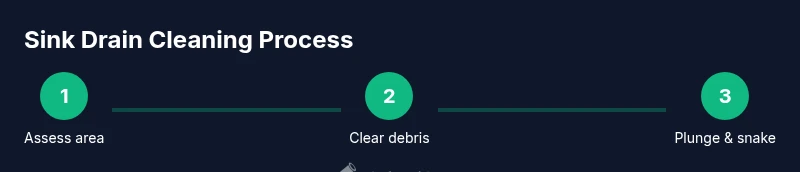
This overview complements the step-by-step instructions. Start by clearing the area and removing standing water, then try gentle mechanical methods (plunger, snake) before moving to chemical/heat approaches. Always test drains after each method. If water remains stubborn, re-evaluate the clog location and avoid forcing tools too hard to prevent pipe damage. A calm, systematic approach yields better results.
Maintenance habits to prevent future clogs
To keep sinks flowing, flush drains with hot water regularly, especially after cooking or heavy use. Use a monthly or seasonal baking soda and vinegar cycle as a preventive measure, and avoid pouring grease or oily substances down the drain. Consider a drain screen to catch hair and food particles. Regular inspection of the P-trap for leaks also protects your home from water damage and odors.
Authority sources
For additional guidance and safety considerations, consult official resources from recognized organizations:
- https://www.epa.gov
- https://extension.illinois.edu
- https://www.osha.gov
Tools & Materials
- Rubber gloves(Protect hands from dirty water and cleaners)
- Plunger (flat-bottom)(Sinks require a cup/plunger for best seal)
- Drain snake / auger(Flexible tool 3-6 ft long)
- Baking soda(Approximately 1/2 cup)
- White vinegar(About 1 cup)
- Hot water(Near-boiling but safe for pipes)
- Bucket(Catch water and debris)
- Old toothbrush or scrubbing brush(For scrubbing the strainer)
- Enzyme-based drain cleaner(Optional, non-caustic)
- Dish soap(Useful for initial cleaning)
- Flashlight(Inspect under-sink pipes)
Steps
Estimated time: 30-45 minutes
- 1
Prepare area and safety gear
Put on gloves and set up your workspace. Clear the area under the sink and place a bucket to catch water. This reduces mess and protects surfaces from splashes. Protective gear minimizes risk when handling dirty water and cleaners.
Tip: Wear eye protection if you anticipate splashes; keep a towel ready for spills. - 2
Remove standing water and visible debris
If the sink is full, bail out water with a cup or container. Remove hair and large debris from the drain using gloved hands or tongs. Clearing the obvious blockage makes the next steps more effective.
Tip: Check the strainer for caught particles and rinse it separately. - 3
Try a gentle plunge
Cover the drain with a plunger and plunge with steady, small strokes. The goal is to loosen the clog without forcing it deeper. If air is trapped, remove excess water first and reseal.
Tip: Ensure a tight seal around the drain for maximum effectiveness. - 4
Apply baking soda and vinegar, then wait
Pour 1/2 cup baking soda into the drain, followed by 1 cup white vinegar. Let the mixture fizz for 5-10 minutes to break apart residue, then flush with hot water to push debris through the trap.
Tip: Do not mix with commercial cleaners; wait between steps to maximize effect. - 5
Use a drain snake if needed
If the clog persists, insert the snake into the drain and rotate while pushing forward. Withdraw slowly to bring up debris. Repeat if necessary, being careful not to push the clog further.
Tip: Apply even pressure; force can crack pipes or push the clog deeper. - 6
Flush with hot water and test
Run hot water for 1-2 minutes to clear remaining particles. Check for free flow and absence of odors. If water drains slowly, repeat the snake or plunge steps as needed.
Tip: Finish with a final hot water flush to rinse the system. - 7
Prevent future clogs
Install a drain screen, avoid pouring grease down the drain, and perform regular maintenance with a baking soda/vinegar cycle. Schedule periodic inspections of the P-trap for leaks or corrosion.
Tip: Establish a routine that fits your kitchen or bathroom usage.
Got Questions?
What is the best DIY method to clean a slow sink drain?
Try a hot water flush with a baking soda and vinegar cycle, then use a plunger or drain snake if needed. Avoid aggressive chemical cleaners. If the drain remains slow, reassess the clog location and proceed with care.
A hot water flush with baking soda and vinegar followed by a plunger or snake is usually effective for slow drains. Avoid strong chemicals and stop if it worsens.
Can baking soda and vinegar damage pipes?
For most homes, a mild baking soda and vinegar cycle is safe for metal and plastic pipes when used responsibly. It won’t fix severe clogs and should not be mixed with harsh cleaners.
For most pipes, baking soda and vinegar are safe if used properly, but they won’t fix serious clogs and shouldn’t be mixed with harsh chemicals.
How often should I clean sink drains as routine maintenance?
Do light cleanings on a regular schedule and perform deeper cleaning as needed, depending on usage and signs of slow drainage.
Clean your sink drains regularly and do a deeper clean when you notice slow drainage or odors.
Is it safe to use a chemical drain cleaner in a kitchen sink?
Many chemical cleaners are caustic and can damage pipes or disposals. Use them only as a last resort and follow label directions strictly; never mix with other cleaners.
Chemical cleaners can be harsh on pipes, especially in kitchens. Use them sparingly and follow the instructions exactly.
What should I do if the clog returns after DIY attempts?
Take a break, reassess the cause, and try a different approach. If it keeps returning, it’s wise to call a plumber to prevent further damage.
If it keeps returning after DIY attempts, pause, rethink the method, and consider a plumber for safety.
When should I call a plumber?
Call a professional if you smell sewer gas, see water backing up into other fixtures, or cannot clear the clog with safe DIY methods.
Call a plumber if you smell sewer gas or if the clog won’t clear with safe DIY methods.
Watch Video
The Essentials
- Identify clog source before acting
- Start with safe, household cleaners first
- Flush with hot water after cleaning
- Use a plunger or snake for stubborn clogs
- Call a plumber if DIY fails