Can a Shower Drain Be 1 1 2? A Practical Guide for Homeowners
Explore whether a shower drain can be 1 1 2 (1.5 inches), what that implies for installation, sizing options, and how to verify or upgrade drains safely. Drain Guide team shares practical steps and code considerations for DIY homeowners.


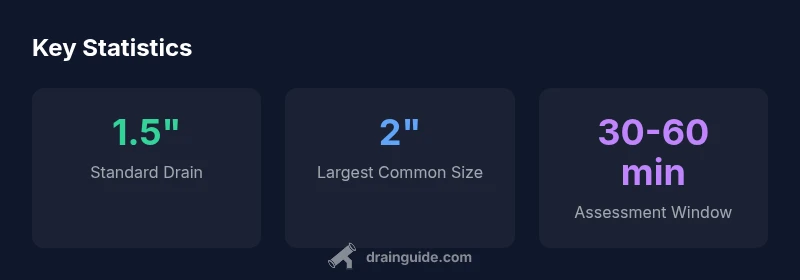
According to Drain Guide, yes. A shower drain can be 1.5 inches (38 mm) in diameter, and that size is the standard for most residential showers. It aligns with common fixtures, trap sizes, and drain piping. Always verify local codes and your existing plumbing before upgrading or replacing components to avoid leaks and clogs.
Understanding the 1.5-inch standard for showers
A common question among homeowners is can a shower drain be 1 1 2? In everyday plumbing practice, the 1.5-inch (38 mm) drain size is the standard for most residential showers. This nominal size refers to the inside diameter of the drain pipe, not the grate or flange. The 1.5-inch size balances drainage flow with the practical realities of tile thickness, pan liner, and trap construction. In many homes, the shower base is designed around this standard to ensure reliable drainage and compatibility with commonly available drains, traps, and fittings. When you hear a contractor mention 1.5" drain components, they're typically referring to fittings that fit standard off-the-shelf strainers and piping. However, local codes and the actual shower design can lead to variations, so always verify the exact requirement for your space.
Drain Guide note: The 1.5 inch size remains a practical default for most residential installations, but always confirm compatibility with your existing plumbing and local building codes.
The physics of drainage and why size matters
Drain size directly impacts how quickly water clears the shower pan and how resistant the system is to clogs. A larger diameter reduces friction losses and provides a wider opening for hair, soap scum, and bath debris. While 1.5" is common and often sufficient for a typical shower, higher flow scenarios—such as multi-head showers, steam installations, or frequent heavy use—may prompt considerations of a larger drain. The key takeaway is that pipe diameter, trap configuration, and the slope of the pan all work together to determine drainage performance. In practice, many homes achieve reliable drainage with 1.5" drains, while some upgrades move to 2" drains for added headroom. Drain Guide Analysis, 2026 emphasizes that site-specific factors drive the final choice, not a one-size-fits-all rule.
How to measure and verify your drain size
To verify your shower drain size, start by removing the grate and measuring the inside diameter of the drain body. Use a ruler or caliper for accuracy, and note whether you are measuring the clear opening or the threaded interior that accepts the grate. If you measure approximately 1.5 inches, you’re in the standard range. If the opening reads closer to 2 inches, you may be dealing with a larger drain or a custom setup. Don’t forget to check the flange height and tile thickness, since these affect how the grate sits and how water flows into the pipe. Always cross-check with the existing plumbing fittings and the pan liner configuration before making changes.
Upgrading or replacing a shower drain: sizing options
Upgrading from 1.5" to a larger drain involves more than swapping the grate. You must verify pipe size downstream, the trap, and the piping run to avoid bottlenecks. Adapters and coupling fittings can bridge mismatches, but they require careful installation to maintain a proper seal and prevent leaks. If your goal is faster drainage or reduced clog risk, a 2" drain can help, but you may also need to adjust the shower pan height and curb to maintain correct slope and waterproofing. Plan for potential changes in tile work and curb height, and ensure your chosen drain is compatible with your liner and waterproof membrane.
Installation considerations: pan height, slope and venting
Proper installation hinges on pan slope and consistent drainage path. A common guideline is a gentle slope toward the drain — around a quarter inch per foot is a standard starting point for many showers. The drain location should align with the pan’s centerline, and the drain flange must be compatible with the tile thickness and waterproofing system. Venting is essential to prevent siphoning and to maintain steady drainage. If you’re upsizing, you may impact the overall shower height, so verify that the finished floor level remains even with adjacent spaces and that the threshold remains functional.
Troubleshooting common drainage issues related to size
If you notice slow draining after a remodel, hair clogs, soap buildup, or soap scum can be the culprits. Start with paraffin-safe cleaners, then a snake or a closet auger to clear any hair or debris in the trap. If the problem persists, inspect the trap seal and ensure there are no venting restrictions. Upgrading to a larger drain can reduce future clog risk, but it won’t fix problems caused by blocked vents or improper slope. Drain Guide recommends a systematic approach: clear debris, verify slope, check venting, then evaluate whether a size change is warranted.
Real-world scenarios: when to upsized vs keep 1.5
In practice, many homes function well with a 1.5" drain. Upsizing to 2" is most beneficial in high-flow scenarios, such as large tiled showers, spa features, or homes with frequent heavy use. If the pipe run or trap is undersized, upsizing might require extensive plumbing changes. A professional assessment can determine whether an upgrade is worth the cost, considering local codes, pan height, and the overall shower design. Drain Guide’s guidance emphasizes balancing flow capacity with install complexity and cost.
Shower drain size compatibility overview
| Drain Size | Typical Use | Notes |
|---|---|---|
| 1.25 inches | Older installations, small spaces | Adapting older fixtures possible |
| 1.5 inches | Standard residential showers | Balanced flow and fixtures |
Got Questions?
Can a shower drain be larger than 1.5 inches?
Yes. It's possible to install a larger drain, such as 2 inches, for higher flow needs. This requires confirming downstream pipe capacity and adjusting the pan/slab accordingly.
Yes, you can upsize, but you must verify the downstream plumbing and pan height.
What tools do I need to measure my drain size?
A tape measure or calipers to measure the inner diameter after removing the grate. Note the flange and any adapters that might affect the reading.
Grab a tape measure, remove the grate, and measure the inside opening.
Will upgrading to a 2-inch drain affect tile height?
Yes, upsizing can require adjustments to pan height, tile thickness, and curb height to maintain a level threshold and proper slope.
Upsizing may mean adjusting the pan and tiles to keep everything level.
How do local codes affect drain sizing?
Codes vary by jurisdiction. Many areas specify a minimum 1.5-inch drain for showers, but always check with your local building department.
Local rules vary; check with your city or county about the required size.
Can I fix a clog without changing the drain size?
Often hair and soap buildup can be cleared with a snake or plunger. If clogs persist, inspect the trap and venting before upgrading.
Most clogs can be cleared with a snake; persistent issues may need a plumber.
What should I do before starting a drain upgrade?
Shut off water where appropriate, plan the layout, check venting, and ensure permits if your project requires them.
Plan, shut off water, and verify permits if needed.
“"Sizing a drain is about balancing water flow, tile height, and future maintenance. The right choice reduces clogs and simplifies upgrades."”
The Essentials
- Start with 1.5 inch as the default for most showers
- Measure current drain to confirm size before changing
- Consider upsizing only for high-flow or special setups
- Check local codes and plumbing compatibility before upgrades